Highlights
- Electric scooters are set to revolutionize urban mobility with advanced technologies by 2025.
- Sustainable practices and innovations will enhance rider safety and environmental integration in cities.
Summary
Electric scooters are becoming essential to urban mobility by 2025, driven by advances in battery technology, connectivity, safety, and sustainability. Innovations such as solid-state and sodium-ion batteries, IoT integration, and AI safety systems will improve performance, convenience, and rider protection. Sustainability efforts include eco-friendly materials, battery recycling, and renewable energy-powered charging, aligning with global climate initiatives. The market is growing rapidly, especially in Asia-Pacific, despite challenges in infrastructure and regulation. Overall, electric scooters are set to play a key role in efficient, green urban transportation.
Technological Advancements
Key technological progress includes improved lithium-ion and emerging solid-state and sodium-ion batteries offering longer ranges, faster charging, and enhanced safety. Smart battery management and wireless charging increase convenience. Connectivity features like GPS tracking, app integration, and AI-driven route optimization and maintenance enhance user experience and fleet efficiency. Safety improvements such as anti-lock braking systems (ABS) and collision detection are expected to become standard. Manufacturers are adopting biodegradable and recyclable materials and expanding battery recycling and renewable energy charging infrastructure to reduce environmental impact.
Environmental Impact and Sustainability
Electric scooters consume significantly less energy per mile than cars or public transit. Most environmental impact arises from manufacturing and logistics, which can be mitigated by sustainable practices and local sourcing. Battery recycling is crucial, with programs aiming for high material recovery to reduce reliance on raw materials. Use of recyclable aluminum and steel, plus biodegradable plastics, is increasing. Renewable energy charging and improved battery longevity further enhance sustainability. Government incentives and carbon-neutral manufacturing support the shift toward eco-friendly urban transport.
Market Trends and Regional Dynamics
The global electric scooter market is rapidly expanding, projected to grow from $70.8 billion in 2025 to $143.1 billion by 2034, driven by urbanization, environmental concerns, and technology. Asia-Pacific leads with over 70% market share due to manufacturing strength and government support. Europe and North America also show strong growth backed by policies and shared mobility services. The market is fragmented, with opportunities in smaller cities and commercial sectors like logistics. Innovations in battery technology and recycling, along with supportive regulations, are key growth drivers.
Urban Mobility and Infrastructure Development
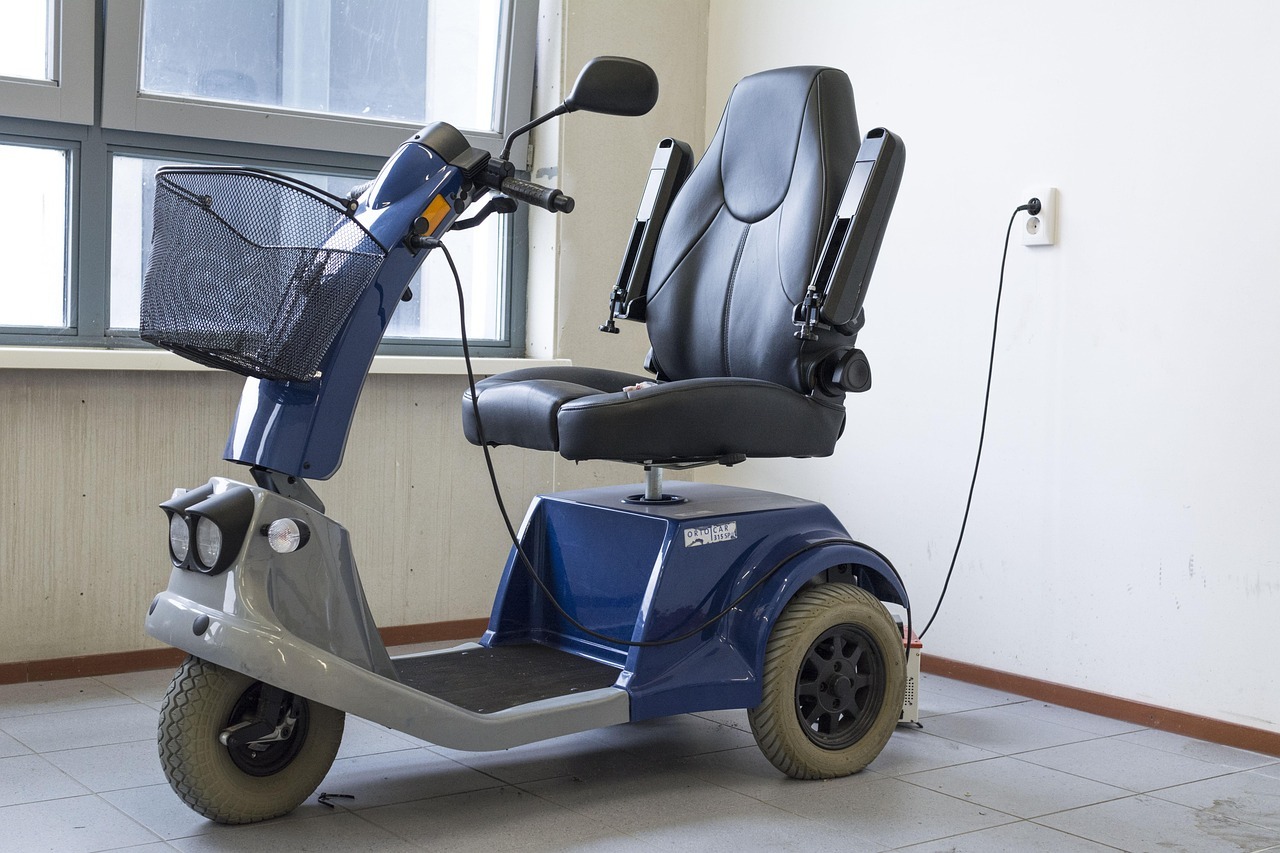
Electric scooters address urban challenges like congestion and pollution by providing efficient last-mile transport. Shared micromobility usage is rising, emphasizing the need for dedicated charging infrastructure and expanded cycle lanes. Cities are adopting data-driven management to optimize parking and reduce clutter. Fast-charging and smart battery systems improve operational efficiency, while renewable energy-powered stations reduce environmental impact. These infrastructure developments are critical for integrating scooters into urban transport networks.
Regulatory and Safety Considerations
Regulations are evolving to balance safety, accessibility, and sustainability. Europe leads with low-emission zones and ambitious climate goals supporting scooter adoption. Asia-Pacific governments offer incentives, while U.S. states and cities increasingly regulate speed, helmet use, and parking. Producer responsibility laws target environmental impacts through recycling mandates. Safety features like ABS, collision detection, and AI-enabled maintenance will become standard by 2025. Harmonized safety standards and real-time monitoring enhance rider protection and fleet management.
Consumer Behavior and Adoption
Electric scooter adoption is driven by environmental awareness, urbanization, and convenient mobility needs. Government incentives and charging infrastructure expansion accelerate usage, especially in Tier 2 and Tier 3 cities where most new demand arises. Consumer hesitancy in these areas remains a challenge but is addressed through demonstration programs and improved services.
Future Outlook
By 2025, electric scooters will feature advanced batteries enabling 200+ km ranges and rapid charging. Enhanced safety technologies such as regenerative and anti-lock brakes, LED lighting, and collision avoidance will reduce accidents. Infrastructure investments and supportive policies worldwide will facilitate integration with public transport and shared mobility. IoT-enabled scooters will enable efficient fleet management and data-driven policy development. These trends position electric scooters as vital to cleaner, smarter, and safer urban mobility solutions.

The content is provided by Sierra Knightley, Scopewires