Highlights
- Multidisciplinary rehabilitation accelerates recovery by addressing physical, cognitive, and psychological effects of injuries.
- Innovative approaches enhance recovery, emphasizing personalized treatments and integrated care for better outcomes.
Summary of Rehabilitation After Car Accidents
Rehabilitation following car accidents involves multidisciplinary interventions—physical, occupational, and speech therapies, pain management, and psychological support—aimed at restoring function and reducing long-term complications like chronic pain and PTSD. Early, individualized treatment plans are essential. Physical therapy is central, using exercises and modalities to enhance healing, while complementary therapies such as acupuncture and massage aid pain management. Psychological care addresses mental health issues that may hinder recovery. Despite benefits, barriers like limited access and financial constraints affect treatment effectiveness. Innovations focus on validated assessment tools, integrated care, and leveraging digital health technologies to optimize outcomes.
Rehabilitation Programs and Common Injuries
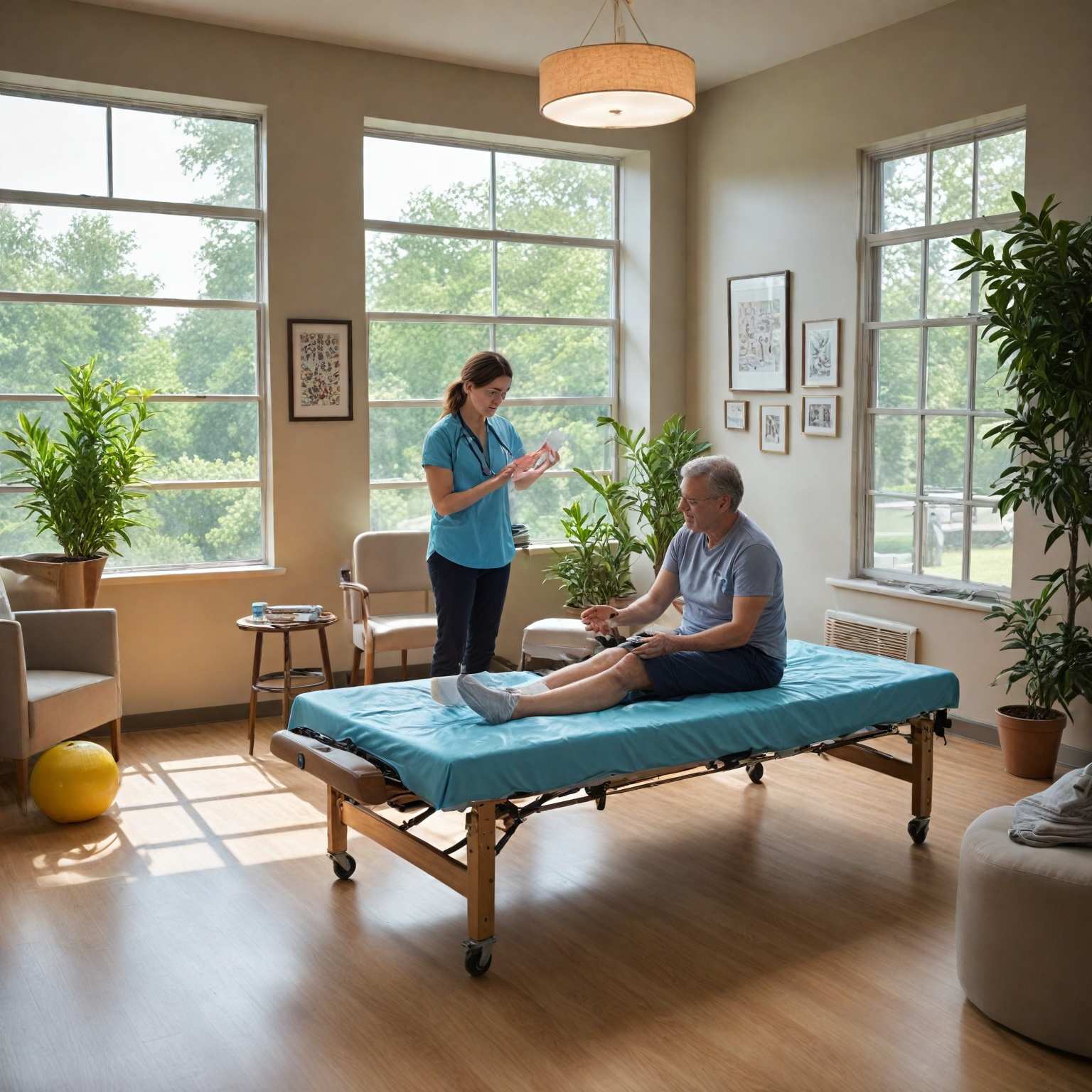
Rehabilitation programs address the physical and psychological effects of motor vehicle injuries, promoting a gradual return to daily life. Physical therapy manages soft tissue injuries and pain through exercises, manual therapy, and modalities like ultrasound. Occupational and speech therapies restore daily living and communication skills, especially after traumatic brain injuries. Psychological support is critical to manage anxiety and depression, enhancing therapy adherence. Programs are individualized and regularly adjusted based on progress.
Common injuries include traumatic brain and spinal cord injuries requiring multidisciplinary care, musculoskeletal injuries like fractures and whiplash treated with targeted exercises and manual therapy, penetrating wounds, internal trauma, and psychological disorders such as PTSD. Rehabilitation aims to restore function, reduce pain, and improve quality of life.
Rehabilitation Structure, Techniques, and Progression
Rehabilitation is comprehensive and tailored, combining physical, occupational, and speech therapies with adjunct treatments like acupuncture and chiropractic care. Initial assessments guide personalized plans, regularly reviewed using tools such as the Rehabilitation Complexity Scale. Physical therapy focuses on pain management, mobility, and strength through therapeutic exercises and manual therapy. Modalities like electrical stimulation and laser therapy support healing, while occupational and speech therapists target functional independence and communication.
Rehabilitation progresses through acute (pain and inflammation control), recovery (strength and flexibility building), and return-to-activity phases, emphasizing education on posture and ergonomics to prevent reinjury. Patient adherence, supported by family involvement and addressing barriers like transportation and finances, is vital for success.
Effectiveness and Role of Healthcare Professionals
Clinical studies show rehabilitation improves morbidity, mortality, and recovery in various conditions, highlighting the importance of individualized, intensive programs. Psychological factors affect adherence, requiring integrated mental health support. Multidisciplinary teams—including physical, occupational, and speech therapists—collaborate to address physical and emotional needs, ensuring continuity of care and optimizing patient outcomes. Complementary therapies and patient education enhance recovery.
Patient Engagement, Barriers, and Psychological Aspects
Adherence to rehabilitation is crucial but often low due to practical challenges (transportation, finances, scheduling) and personal factors (motivation, perception). Family involvement and goal-setting improve engagement. Psychological challenges like anxiety, depression, and PTSD frequently complicate recovery, necessitating early mental health intervention within rehabilitation programs to support comprehensive healing.
Future Directions and Innovations
Future rehabilitation efforts emphasize integrated multispecialty care, early use of validated assessment tools, and continuous plan adjustments to reduce disability. Holistic approaches combining physical and psychological care aim to break the cycle of injury and mental distress. Advances in therapy modalities and incorporation of alternative treatments like acupuncture and yoga are expanding. Digital health tools for real-time monitoring and personalized adjustments promise improved adherence and outcomes, fostering patient independence after car accidents.