Highlights
- Prioritize safety and convenience when choosing essential baby products for your newborn.
- Stay informed about product safety recalls to ensure your baby's well-being and protection.
Summary of Essential Baby Products and Safety Guidelines
Preparing for a newborn requires selecting safe, comfortable, and practical baby products. Key categories include sleep arrangements, feeding supplies, diapering, clothing, travel gear, and developmental toys. Safe sleep is a priority, avoiding secondhand cribs that don’t meet Consumer Product Safety Commission (CPSC) standards and keeping sleep areas free of pillows and soft items to reduce SIDS risk. Feeding essentials vary by method and include breast pumps, nursing pillows, bottles, and sterilizers. Travel gear like rotating car seats, strollers, and ergonomic carriers enhance convenience and safety but may pose installation challenges.
Regulatory agencies such as CPSC and ASTM International ensure product safety through rigorous testing and recalls, emphasizing the importance of checking certifications and recalls. Current trends highlight sustainability, ergonomic design, developmental features, and minimizing screen exposure. This guide consolidates expert advice to assist parents in choosing safe, effective baby products.
Essential Baby Products and Nursery Setup
Newborn essentials fall into critical needs for safety and health, and items that ease parenting. Safe sleep involves using bassinets for the first six months, avoiding vintage cribs, and keeping sleep spaces free of soft objects. Sleep aids like swaddles and monitors support healthy patterns. Feeding depends on breastfeeding or formula, with products like manual breast pumps, nursing pillows, and burp cloths recommended. Diaper creams such as Baby Aquaphor protect sensitive skin, while clothing focuses on comfort and safety-compliant materials.
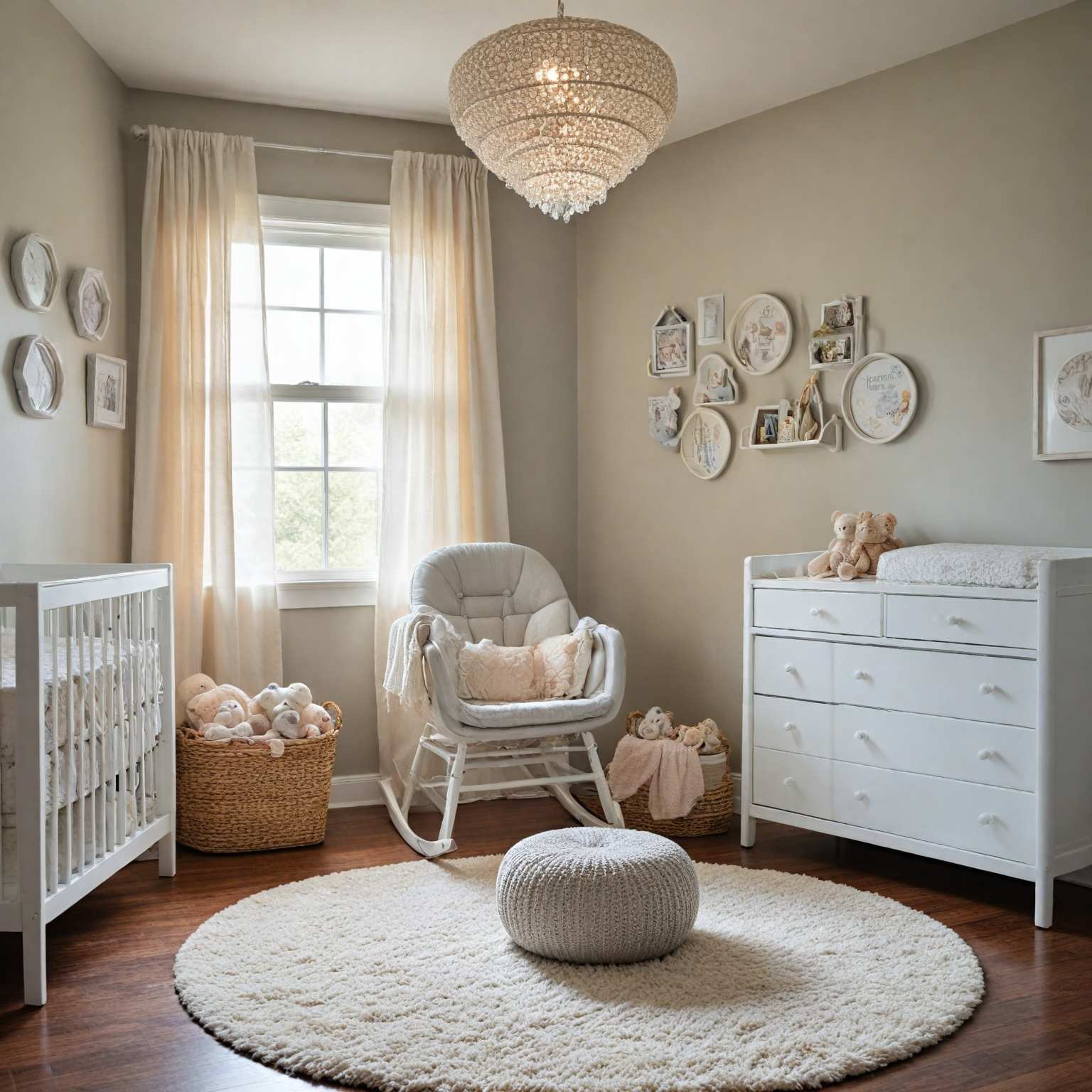
Safety concerns include avoiding walkers and jumpers, carefully selecting babyproofing kits, and using gates meeting safety standards. Infant loungers have been recalled for safety risks, underscoring the need for compliance with ASTM and CPSC guidelines. Additional helpful items include caregiver comfort products like breast ice packs and practical nursery furniture such as dressers and storage units. Durable wooden toys are preferable, though babies may not engage with toys immediately.
Health, Safety, and Bathing Products
Baby products must meet strict chemical and physical safety standards due to infants’ vulnerability. Certifications like GREENGUARD Gold, California Proposition 65, and Oeko-Tex help parents identify safe textiles and products. Physical safety standards cover items like gates and monitors and emphasize proper labeling and instructions. Staying informed on recalls is vital for child safety.
Bathing aids include ergonomic bath seats and supports made from soft, body-temperature-neutral materials that secure babies safely during bath time. Portable bath stands improve caregiver comfort by reducing back strain. Products with third-party safety certifications are recommended, avoiding small detachable parts and harsh chemicals to prevent injury or irritation.
Travel Gear: Car Seats, Strollers, and Carriers
Travel essentials include strollers, rotating car seats, and baby carriers designed for safety and convenience. Brands like Mockingbird and UPPAbaby offer versatile, reliable strollers. Soft fabric carriers promote bonding and ergonomic support, complying with ASTM F2236-24 safety standards.
Rotating car seats ease loading by swiveling toward caregivers and support extended rear-facing use for safety. Despite benefits, they can be heavier and harder to install than traditional seats. Updated regulations now require side-impact crash testing for car seats under 40 pounds, enhancing safety.
Toys, Developmental Products, and Trends
Classic durable toys, such as solid wood options, support long-term use and nursery aesthetics. Subscription-based developmental toy kits provide age-appropriate play materials promoting growth. Safety certifications from ASTM and organizations like Kids in Danger guide safe selections. The market shows strong demand for developmental toys alongside essential gear like strollers.
2024 trends include growth in secondhand product markets, increased safety awareness following recalls, ergonomic bath products, and a cautious approach to screen exposure. Rotating car seats continue gaining popularity despite usability challenges.
Usability Challenges and Safety Considerations
Rotating car seats provide ergonomic benefits but are more complex to install and heavier than traditional models, potentially increasing misuse risk. Caregivers should carefully follow installation instructions and consider weight limits. Similar usability improvements appear in ergonomic bath supports and padded baby carriers, enhancing comfort and safety for both babies and parents.
Guidelines for Choosing Baby Products
Safety certifications like JPMA indicate rigorous testing and high standards. Registering products helps receive recall notifications. Trusted brands such as Graco and Britax are recommended for quality and reliability. Parents should begin purchasing essentials by the third trimester, considering needs across feeding, sleeping, diapering, bathing, and play. Staying updated on safety regulations ensures informed decisions and protects infants.
The content is provided by Jordan Fields, Scopewires