Highlights
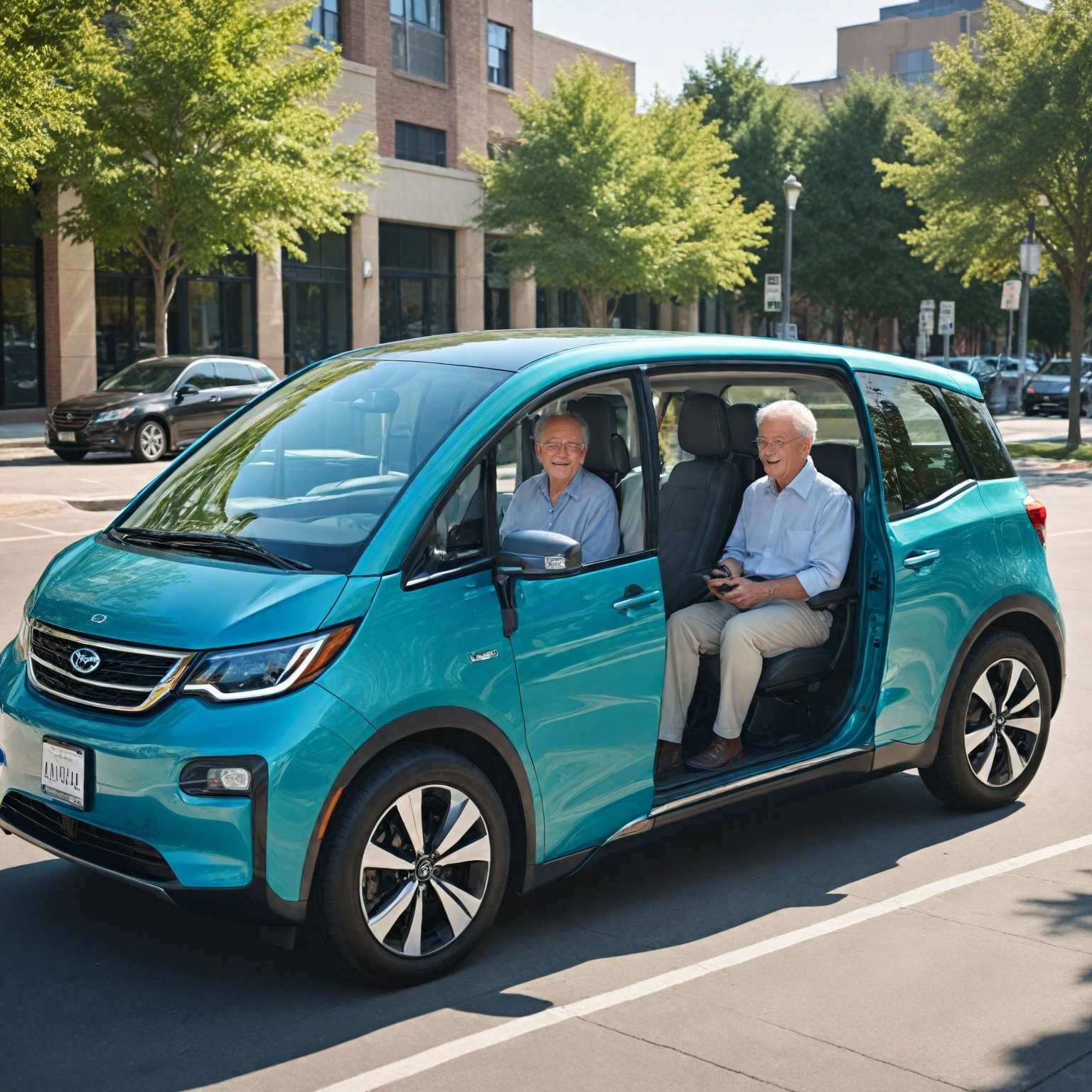
- Electric cars offer seniors improved safety, comfort, and accessibility in 2025 and beyond.
- Government incentives can make electric vehicles more affordable for seniors, but act quickly!
Overview of Electric Cars for Senior Drivers in 2025
Electric vehicles (EVs) in 2025 offer seniors enhanced accessibility, safety, comfort, and environmental benefits. Advances in battery technology, notably solid-state batteries, have extended driving ranges and reduced charging times, addressing common concerns. EVs feature senior-friendly designs like higher seating, wide doors, and simplified controls, alongside advanced driver assistance systems (ADAS) that improve safety by compensating for age-related reflex and vision changes. Despite benefits such as quiet rides and lower maintenance, challenges remain including charging infrastructure complexity, range anxiety, and higher upfront costs. Government incentives help improve affordability, though some are set to expire soon. Continued innovations promise to further enhance EV practicality and appeal for older drivers.
Key Benefits and Design Features for Seniors
EVs provide seniors with easier entry and exit through higher seating and wide doors, plus intuitive controls with tactile buttons and clear displays. Safety technologies like lane-departure warnings, blind-spot monitoring, and automatic emergency braking enhance protection and confidence. Quiet, smooth rides reduce driving stress, while zero emissions benefit those with respiratory issues. Financial incentives in regions like the US and UK improve accessibility. Design recommendations from accessibility authorities ensure usability for seniors and people with disabilities.
Battery Advances and Driving Range
Solid-state batteries, using solid electrolytes, significantly increase energy density and safety compared to traditional lithium-ion batteries, enabling up to 50% greater driving range and faster charging. For instance, a Mercedes-Benz EQS prototype achieved 749 miles on a single charge in 2025. Semi-solid-state batteries and other innovations also improve safety and performance, enhancing the overall EV experience.
Charging Infrastructure and Accessibility
Public charging networks are expanding globally, supported by major investments such as $635 million in U.S. grants and a $5 billion nationwide plan. Ultra-fast chargers are growing, especially in China and Europe. Accessibility is prioritized through designated parking with nearby chargers and compliance with ADA standards, ensuring ease of use for seniors and those with disabilities. Challenges remain with payment systems, charger compatibility, and the physical demands of handling cables. Wireless charging trials continue but remain limited due to cost and efficiency.
Safety Features and Crashworthiness
2025 EVs include advanced safety systems such as automatic emergency braking, lane-keep assist, and blind-spot detection, which benefit seniors by providing additional reaction time. Leading models like Volvo’s EX90 and Rivian’s R1T/R1S combine strong crash protections with comprehensive ADAS. Insurance Institute for Highway Safety ratings confirm high occupant protection in many EVs, though some models show weaker rear passenger safety. Quiet rides also contribute to a calm driving environment favored by seniors.
Popular EV Models for Senior Drivers
Senior-friendly EVs in 2025 include the affordable used Chevrolet Bolt EV, offering about 259 miles of range and user-friendly features. The Nissan Leaf remains a practical choice for city driving. Compact SUVs like the Hyundai Ioniq 5 provide safety, style, and versatility with strong safety ratings. Other options like the Citroen e-C3 and MG4 EV cater to seniors seeking practicality or longer range.
Challenges in Usability and Adoption
Seniors may face a learning curve adapting to EV driving and technology. Charging stations often require smartphone apps and handling heavy cables, which can be difficult for those with limited mobility or arthritis. Although infrastructure is improving, these usability issues can hinder adoption among older adults.
Maintenance and Ownership Experience
EVs offer smooth, quiet rides with fewer repairs and no oil changes, appealing to seniors. Battery longevity matches traditional vehicles, easing replacement concerns. Lower operating costs and government incentives make EV ownership affordable. Compact crossovers and small SUVs with easy entry and simple controls further enhance usability for seniors.
Government Incentives and Support
Federal tax credits in the US provide up to $7,500 for new EVs and $4,000 for used ones, though these may expire in late 2025. The UK offers plug-in vehicle grants reducing purchase costs for seniors. Accessibility guidelines and technical assistance ensure charging infrastructure meets the needs of people with disabilities. State-level initiatives and advocacy support expanded EV adoption among seniors despite some federal resistance.
Future Trends and Innovations
Ongoing battery innovations focus on higher energy density, faster charging, and improved durability, especially through solid-state technology. Charging infrastructure is diversifying with AC, DC fast chargers, and management software improving convenience. Wireless and in-road charging trials continue but remain limited. These advances aim to make EVs more accessible, reliable, and comfortable for seniors in coming years.
The content is provided by Avery Redwood, Scopewires