Highlights
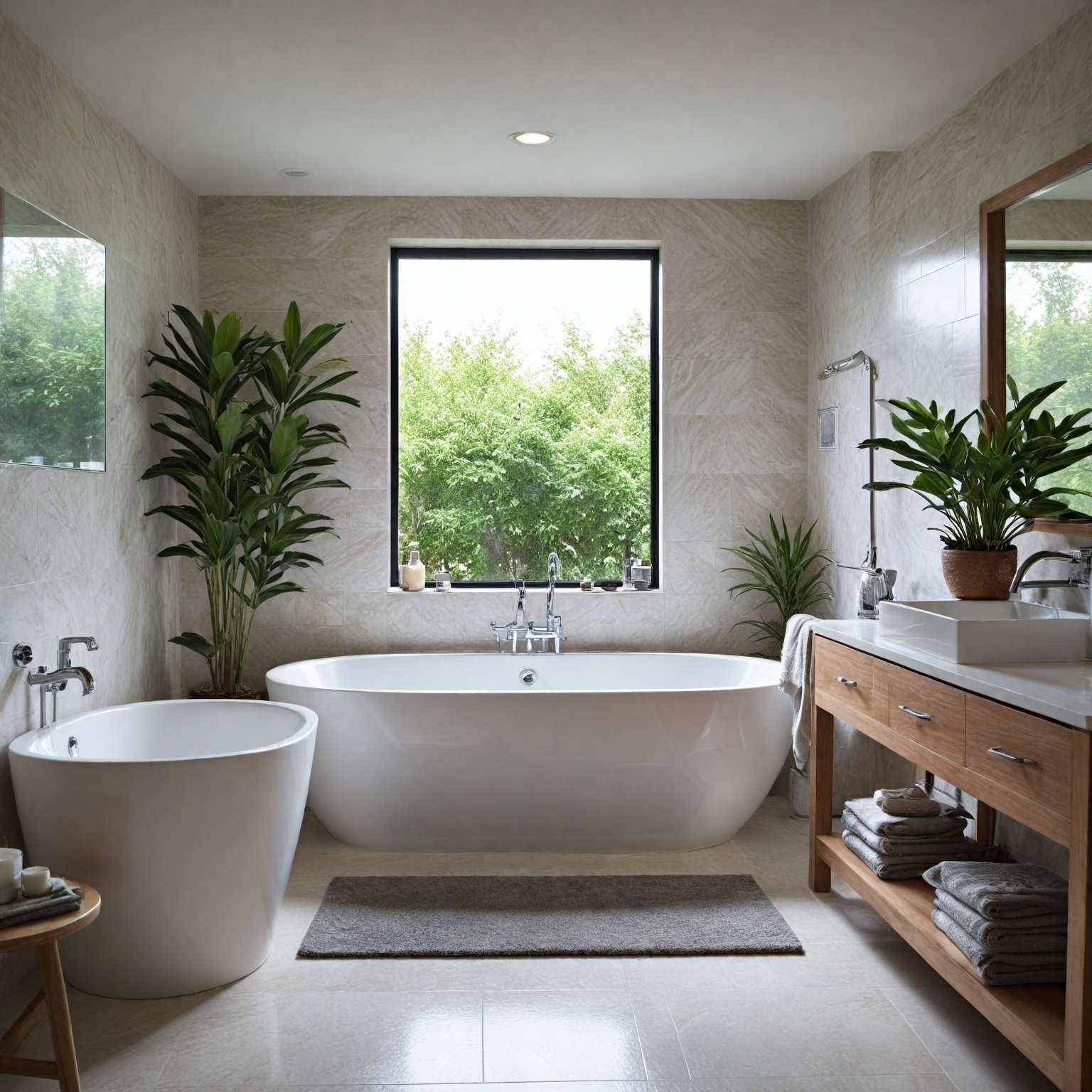
- Walk-in tubs blend safety, comfort, and technology for a luxurious bathing experience.
- The demand for these tubs supports aging in place, enhancing independence and safety at home.
Overview and Evolution
Walk-in tubs are designed for enhanced safety, accessibility, and therapeutic benefits, especially for older adults and individuals with limited mobility. Featuring low step-in thresholds, watertight doors, built-in seating, grab bars, and non-slip surfaces, they reduce fall risks and offer safer home bathing. Originally clinical in appearance, modern walk-in tubs now combine style, comfort, and smart technology integration, reflecting growing demand from aging populations who prefer to age in place.
Hydrotherapy capabilities provide relief for chronic pain conditions, and manufacturers continue innovating with voice-activated controls, app integration, and sensor automation. Although not inherently ADA-compliant, many tubs now meet accessibility standards. Costs vary widely, but financing and potential medical tax deductions can ease expenses. Alternatives like walk-in showers and bathtub lifts exist but often lack the combined safety and therapeutic features of walk-in tubs.
Design, Materials, and Types
Walk-in tubs feature low thresholds (around 3 inches), leak-proof doors, slip-resistant flooring, strategically placed grab bars, and built-in seats to improve safety and comfort. Many models include heated seats, anti-scald valves, and hydrotherapy jets for therapeutic benefits. ADA-compliant designs ensure safer transfers for wheelchair users.
Common materials include gelcoat fiberglass, acrylic, and fiberglass, balancing durability, weight, cost, and maintenance. Acrylic is favored in luxury models for longevity and weight, while fiberglass offers a budget-friendly option.
Types range from basic soaking tubs to aerotherapy and hydrotherapy models, bariatric tubs for larger users, and wheelchair-accessible tubs designed for easy entry and ADA compliance. Additional luxury features include aromatherapy, chromotherapy lighting, and UV sterilizers.
Installation, Maintenance, and Safety
Professional installation is recommended to ensure safety and compliance. Regular maintenance—cleaning, seal checks, and securing safety features—extends tub lifespan and functionality. Manufacturers often provide support resources for upkeep.
Walk-in tubs must meet ADA standards regarding seat height, grab bars, and controls for true accessibility, although no official certification exists. Safety features like outward-swinging doors and low thresholds reduce fall risks, and long warranties reflect product reliability.
Health Benefits and Accessibility
Hydrotherapy in walk-in tubs offers pain relief, inflammation reduction, and improved mobility, benefiting conditions like arthritis. Warm water and jets promote relaxation and circulation, supporting rehabilitation and chronic pain management.
Accessibility features such as low step-in heights, secure doors, and grab bars facilitate safer bathing for users with mobility challenges. Consulting aging-in-place specialists can help select suitable models. These tubs support seniors’ independence, aligning with the preference of many to age at home.
Technological Advances
By 2025, walk-in tubs integrate smart home technologies, including sensor controls, app customization, and voice commands compatible with major assistants like Amazon Alexa and Google Assistant. These innovations enhance convenience and safety, with features such as angled grab bars, ADA-compliant seating, non-slip floors, and quick-drain systems.
Market Trends and Consumer Insights
The market is growing, driven by demand for safe, comfortable, and customizable bathing solutions. ADA-compliant features are increasingly important. Brands like TubToday lead by offering quality tubs at accessible prices, while established names like American Standard maintain prominence with luxury models. Personalization options, including door swing direction and comfort features, shape consumer choices.
Cost and Alternatives
Walk-in tubs range from $2,000 to $20,000 installed. Financing plans and medical deductions can offset costs. Some veterans and Medicaid recipients may qualify for assistance. Alternatives include walk-in showers, costing $4,000 to $16,000, which lack soaking benefits, and bathtub lifts priced between $300 and $1,000, which do not alter tub structure or provide hydrotherapy.
Bathtub liners offer a durable, low-maintenance update but do not improve accessibility. Some companies provide all-inclusive walk-in tubs and showers designed for seniors, combining luxury and safety. While alternatives exist, walk-in tubs uniquely blend therapeutic and safety features.
Future Outlook
Future walk-in tubs will increasingly incorporate smart technologies for voice and app control, enhancing safety, hygiene, and water conservation. Integration with popular voice assistants and sensor-driven automation will make bathing more accessible and luxurious. Hydrotherapy remains central, supporting pain relief and mobility. Collaboration with medical experts ensures ongoing improvements in safety and accessibility standards.
The content is provided by Blake Sterling, Scopewires