Highlights
- Explore the latest innovations in mobility scooters enhancing seniors' independence and quality of life.
- Discover how advanced features and models can transform mobility for older adults in 2025.
Summary and Overview of Mobility Scooters
The Must-Know Guide to Mobility Scooters for Seniors in 2025 outlines key developments, types, and considerations for scooters that enhance seniors’ independence and quality of life. With an aging population, these devices enable safe indoor and outdoor mobility, ranging from lightweight portable models to heavy-duty scooters featuring improved battery life, smart connectivity, and ergonomic design. Mobility scooters promote social engagement and outdoor activity but also raise safety and regulatory challenges. Professional assessments, user training, and community support are crucial for safe use. Technological advances like smartphone integration, AI features, and sustainable materials are making scooters smarter and more user-friendly. Despite concerns over cost and regulation, market growth is driven by demographic trends and urbanization.
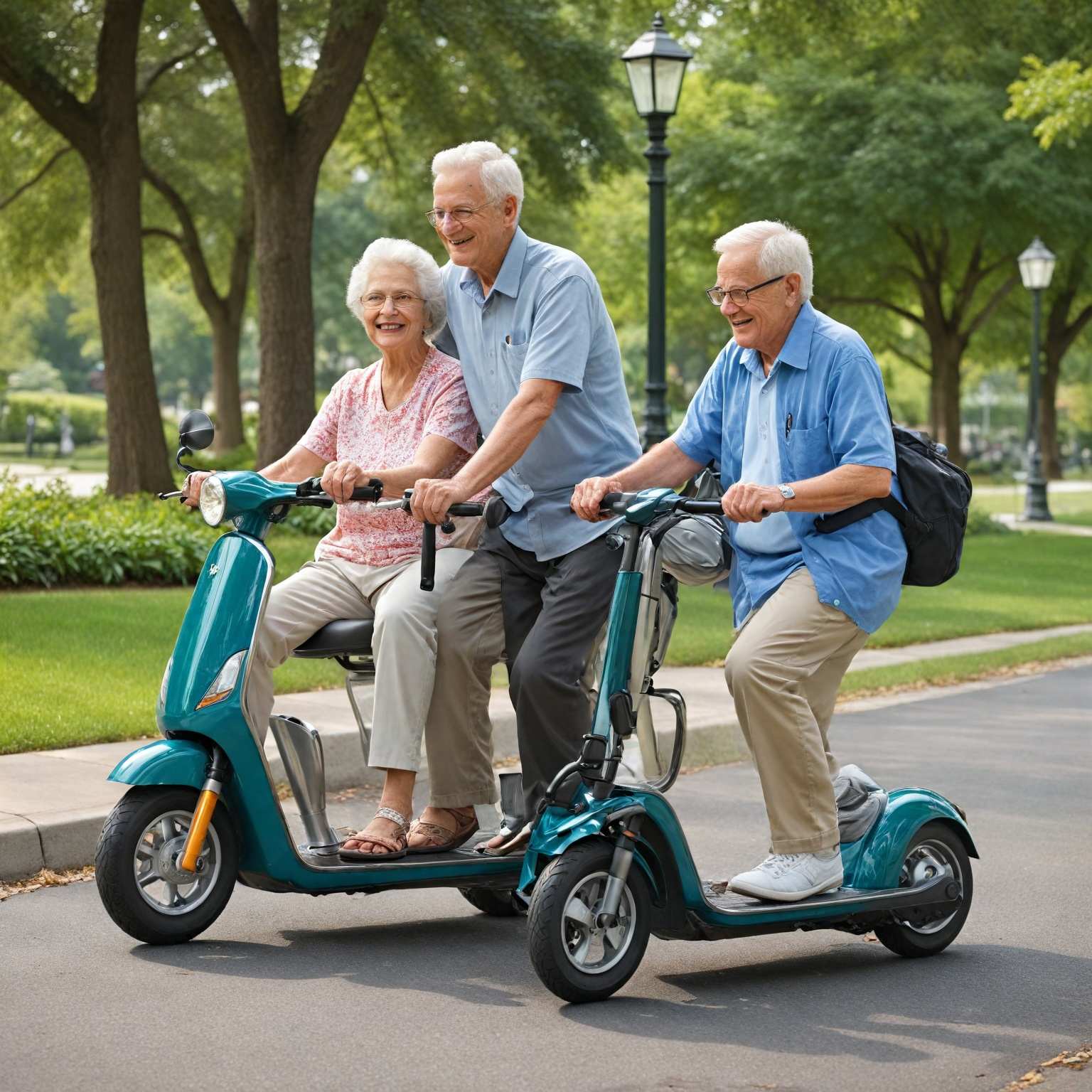
Mobility scooters assist individuals with walking difficulties, offering greater independence and outdoor access. Common types include three-wheel scooters, which are more maneuverable indoors but less stable, and four-wheel scooters, which offer better stability for outdoor use. Customizable features, such as swivel seats, improve accessibility. However, unregulated access can lead to mismatched device selection, emphasizing the need for professional guidance and training. Innovations in 2025 focus on faster, smarter, and more sustainable scooters that support active aging.
Benefits, Types, and Features of 2025 Mobility Scooters
Mobility scooters improve seniors’ lifestyles by enhancing mobility, reducing social isolation, and supporting mental and physical health. While concerns about physical deconditioning exist, scooters enable extended participation in activities without fatigue. Three-wheel scooters offer tight turning for indoor use but less stability outdoors; four-wheel scooters provide greater stability and often include powerful batteries, comfortable seating, and can handle inclines. Speed classifications favor models under 4 MPH for safety and ease of use.
Advancements include ultra-lightweight designs for portability and heavy-duty models with larger batteries and improved suspension. Key 2025 features highlight lightweight folding scooters like the Feather 27X, lithium-ion batteries with up to 25-mile range, electromagnetic braking, ergonomic seating, and safety enhancements such as anti-tip wheels and LED lighting. Users should consider tire type and ground clearance based on their typical environments.
Technological Advances and Safety Considerations
In 2025, mobility scooters integrate smart technologies including smartphone apps for battery monitoring, speed control, and remote diagnostics. High-end models offer auto-docking and self-parking, while AI and IoT innovations are emerging to improve safety and user experience. Lightweight materials like carbon fiber enhance portability without sacrificing durability. Safety features such as anti-tip wheels, bumpers, and improved suspension address accident risks, supported by evolving regulations and user education.
Ergonomic designs with adjustable seats, intuitive controls, and color-coded indicators enhance usability and comfort. Battery ranges vary from 8 to 25 miles, with folding mechanisms facilitating travel and storage. Communities and facilities contribute to safety through clear rules, designated zones, staff training, and rider education. Despite benefits, concerns about over-reliance and physical deconditioning persist, underscoring the importance of balanced use.
Industry Challenges, Maintenance, and Support
Safety concerns, regulatory inconsistencies, and cost barriers present ongoing challenges for the mobility scooter industry. Elderly users face increased accident risks due to physical and cognitive changes, requiring improved design and comprehensive education. Regulatory fragmentation complicates compliance and market growth, while financial accessibility varies widely. Manufacturers respond with advanced technologies, eco-friendly designs, diverse product lines, and financing or rental options. Portable models like Pride Go-Go and EV Rider’s Transport M are popular among active seniors.
Proper maintenance is vital for durability and reliable performance, helping users avoid costly repairs and maintain independence. Leading brands such as Pride Mobility, Golden Technologies, and Drive Medical produce robust models supported by warranties and service networks.
Legal, Regulatory, and Financial Aspects
Motorized mobility scooters face varied legal and regulatory frameworks that affect usage, safety, and market development. Harmonizing these regulations is essential to ensure consistent safety standards and facilitate cross-region use. Urban planning and community programs supporting “active ageing” can improve safety and accessibility. Public funding and financial assistance, including grants and payment plans, enhance affordability for seniors, as seen in initiatives from countries like India.
Costs range from a few hundred to several thousand dollars depending on features. Insurance coverage is inconsistent, so buyers should verify policies. Financial assistance options such as manufacturer financing, rentals, and grants help broaden access. Evaluating individual needs alongside available financial resources is key to selecting appropriate scooters.
Market Overview and Future Trends
The 2025 market offers a wide range of mobility scooters from basic to premium, with portable models for travelers and heavy-duty options for challenging terrains. Technological improvements in batteries, smart connectivity, and safety enhance user experience. The global market is projected to grow substantially, driven by urbanization, sustainability trends, and aging populations, with North America currently leading.
Future innovations focus on intelligent features like app integration, AI-driven adaptations, and eco-friendly designs. These advances support greater independence and active lifestyles for seniors. Manufacturers such as EV Rider, Golden Technologies, and MOBOT lead in these developments. Regulatory compliance, cost, and safety remain challenges, but ongoing education and feature improvements aim to foster wider adoption. The sector is expected to maintain steady growth with a CAGR of 6.5% through 2030.