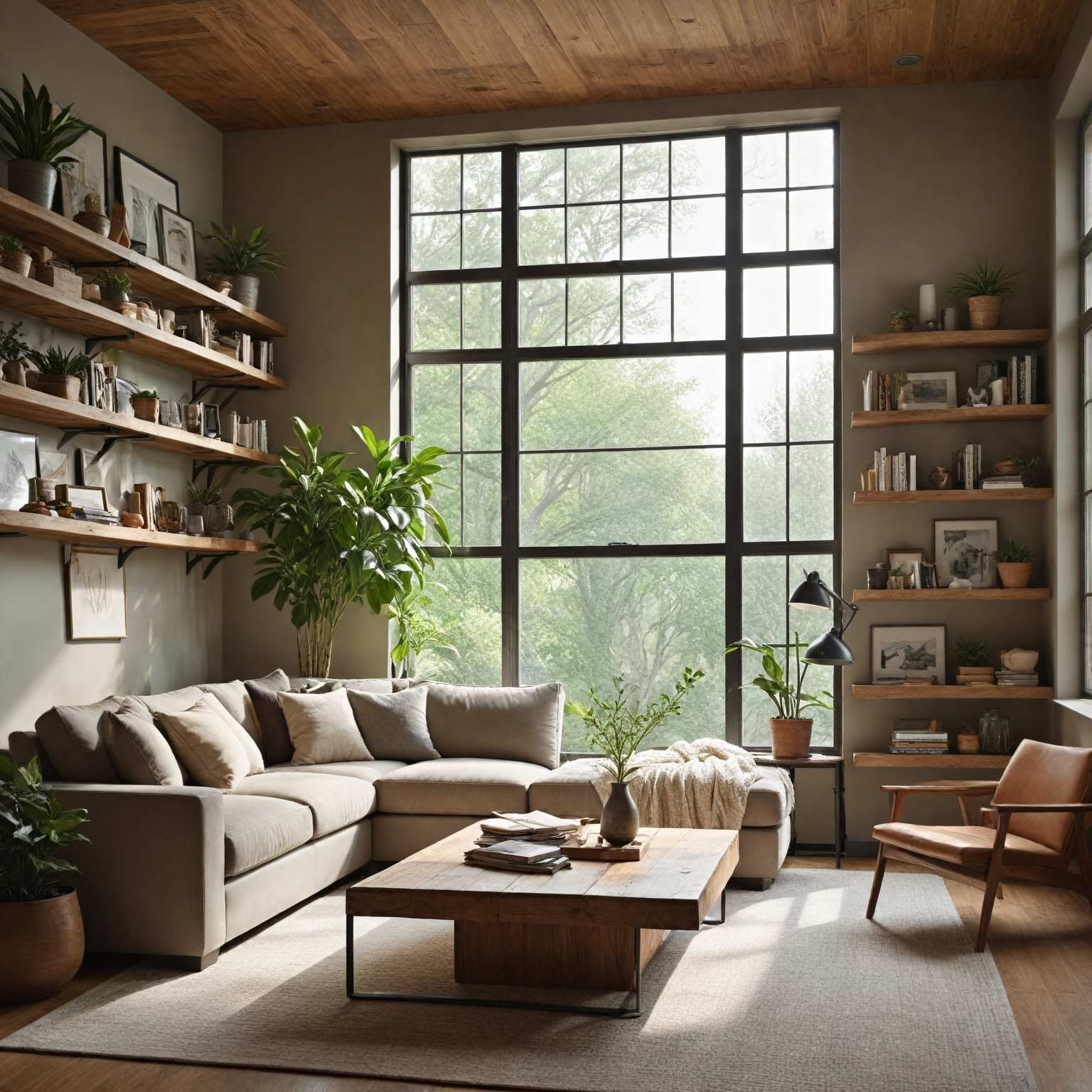
Highlights
- Sustainable home decor emphasizes eco-friendly materials for healthier living environments in 2025.
- Technological innovations are transforming sustainable design, enhancing efficiency and minimizing waste.
Summary
Sustainable home decor in 2025 emphasizes eco-friendly materials, ethical production, and healthier living environments, prioritizing renewable, recycled, and non-toxic resources like reclaimed wood and bamboo. Driven by consumer awareness and regulations, sustainability has become a lifestyle influencing materials, colors, and furniture styles. Technological advances such as 3D printing and smart home integration enable efficient, customized production and energy management. Despite challenges like higher costs and supply chain limits, growing demand and policy support are driving the industry toward responsible practices and robust growth, balancing style, comfort, and environmental stewardship.
Sustainability and Materials in Home Decor
Sustainability in home decor focuses on reducing waste, conserving resources, and improving health through renewable, recyclable, and low-toxicity materials. Supported by regulations, it reflects a lifestyle choice favoring natural materials like reclaimed wood, bamboo, stone, and recycled glass, often combined with ethical labor practices. Organic fabrics and recycled metals are increasingly popular, alongside eco-friendly alternatives mimicking traditional materials. Low-emission engineered woods and non-toxic paints enhance indoor air quality, reinforcing environmental and health benefits.
Technological Innovations and Design Trends
Technologies such as 3D printing and smart home systems are key to sustainable decor, enabling custom designs with minimal waste and better energy efficiency. Sustainable manufacturing reduces emissions, supported by regulations and e-commerce expansion. Design trends in 2025 embrace eco-friendly materials like bamboo and reclaimed wood, casual comfortable furniture, bold color palettes, and attention to often-overlooked spaces like ceilings. Energy-efficient appliances and functional layouts further support sustainability, blending style with environmental responsibility.
Environmental, Cultural, and Regional Influences
Sustainable decor reduces environmental impact and improves health by using reclaimed and non-toxic materials, promoting circular design and supporting local artisans. Cultural traditions influence material and style choices, aligning heritage with eco-conscious innovation. North America and Europe lead markets, driven by consumer demand and regulations like the EU Green Deal, fostering circular economy practices and adoption of novel sustainable materials. Despite challenges like raw material volatility, regional dynamics and cultural values shape global sustainable home decor trends.
Challenges and Market Impact
Higher costs, limited sustainable material availability, supply chain disruptions, and market volatility hinder widespread adoption of sustainable home decor. Consumer awareness remains uneven, and competition from conventional products persists. Technological and regulatory advances help address these barriers, encouraging eco-friendly production and certification. Growing consumer demand is influencing industry practices, with manufacturers adapting to stricter regulations and integrating sustainability despite economic challenges.
Future Outlook
The sustainable home decor market is expected to grow strongly, driven by innovative materials, regulatory support, and evolving consumer values. Emerging eco-friendly materials and business models like print-on-demand dropshipping signal a sophisticated future for sustainability in design. As homeowners and designers embrace upcycled materials and energy-efficient solutions, home interiors will increasingly reflect a balance of aesthetics and environmental responsibility, fostering a greener lifestyle beyond 2025.
The content is provided by Jordan Fields, Scopewires