Highlights
- Meal prepping simplifies healthy eating for busy professionals through efficient planning and cooking.
- Transform your nutrition and well-being with practical meal prep strategies tailored for hectic lifestyles.
Summary
Boost Your Health: Simple Meal Prep Strategies for Busy Lives guides busy individuals, especially professionals, to maintain a healthy diet through meal preparation. Meal prepping involves planning and preparing meals or ingredients ahead to simplify nutritious eating despite time constraints. It can improve diet quality, portion control, reduce reliance on takeout, and support wellness.
The guide covers stocking versatile pantry staples, organizing kitchen tools, batch cooking, and planning grocery routines to save time and reduce waste. It offers tips to balance macronutrients for health goals and addresses common barriers like time limits and stress eating by suggesting mindset shifts and tools such as meal-planning apps. Proper food storage and safety practices ensure meal freshness and nutrition.
By adopting these strategies, meal prepping becomes a manageable habit that enhances health, saves money, and supports well-being, helping busy individuals fuel their activities with balanced meals.
Meal Preparation Benefits and Strategies
Meal prepping, or batch-cooking meals in advance, helps busy professionals avoid unhealthy takeout and promotes better diet adherence, increased fruit and vegetable intake, and portion control. It offers convenience, financial savings, and supports specific health goals.
Key strategies include maintaining a stocked pantry with staples like whole grains, canned beans, eggs, and frozen vegetables; slightly undercooking meals for reheating; and using pre-prepared options on ultra-busy days. Consistency and mindful eating practices improve the experience. Tools like meal-planning apps and health coaches can aid accountability and personalization.
Meal Planning, Grocery Shopping, and Batch Cooking
Planning meals before shopping saves time, reduces waste, and supports budget-friendly, nutritious eating. Designate a weekly day for menu planning, shopping, and cooking. Start by prepping a few dinners weekly, then increase gradually. Organize grocery lists by store sections and maintain pantry staples for quick meal assembly. Meal delivery services may assist when needed.
Batch cooking saves time by preparing large food quantities, starting with long-cooking items and prepping shared ingredients together. Cooking meats separately allows meal flexibility. Use airtight, stackable containers for storage, portion meals appropriately, and consider fresh produce prep on consumption day if preferred. Including family or friends can make prep more enjoyable.
Tools, Containers, and Organization
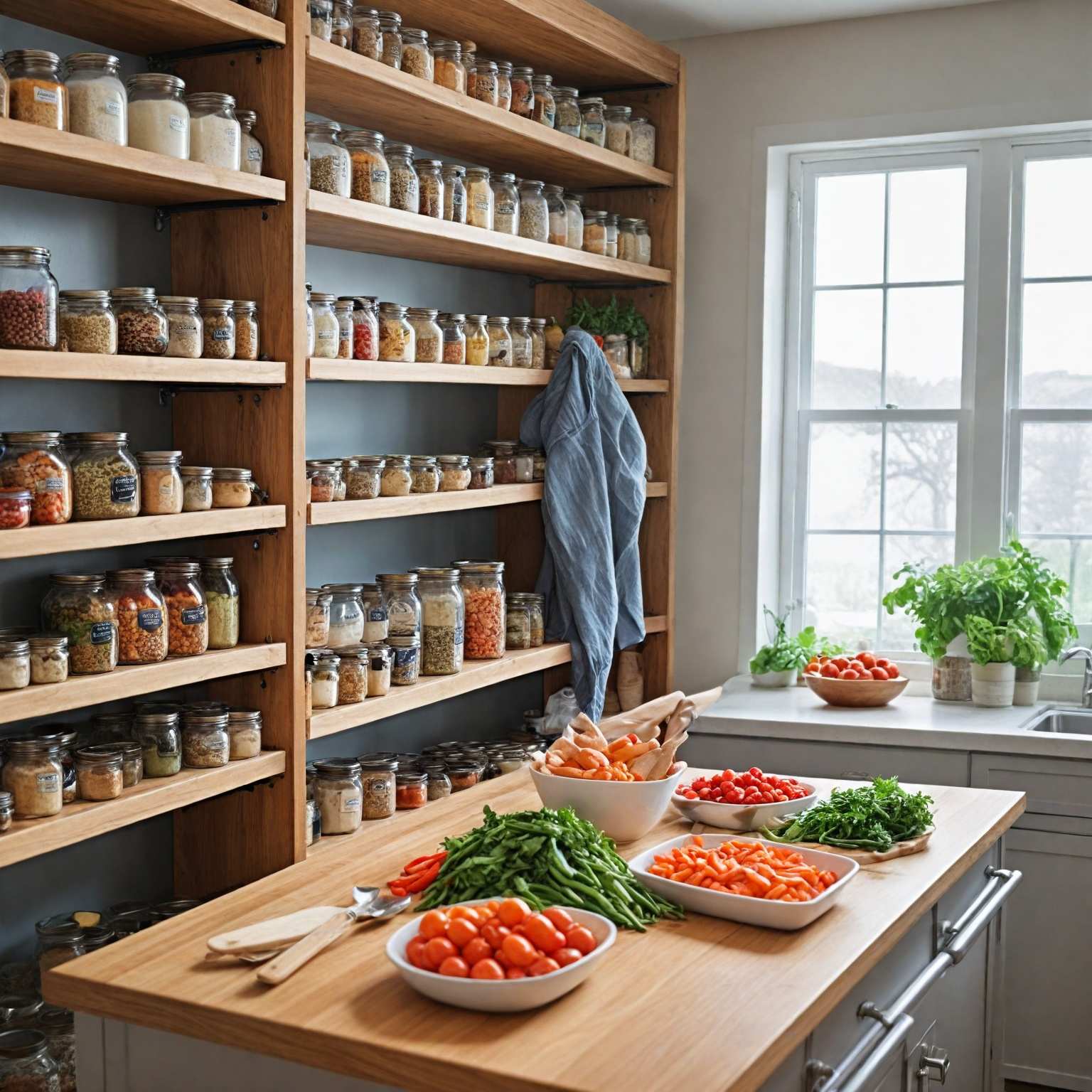
Quality airtight, stackable, and microwave-safe containers preserve freshness and simplify reheating, reducing waste. Organize pantry staples and kitchen items for easy access, placing frequently used items at eye level and keeping storage containers orderly. Stocking essential ingredients supports quick meal assembly, making meal prep efficient and less stressful.
Meal and Ingredient Suggestions
Keep versatile staples like canned beans, tuna, broths, frozen produce, whole grains, and olive oil on hand. Meals should combine 4–6 ounces of protein with vegetables and whole grains or starches for balanced nutrition. Breakfasts with protein, healthy fats, and complex carbs—such as overnight oats or egg-based dishes—offer quick energy. Start with simple recipes like chicken bowls or chickpea salads, packing meals in reusable containers for portability. Pre-prepared meals or delivery services can fill gaps on busy days.
Macronutrient Balance
A balanced macronutrient ratio of about 40% carbohydrates, 30% protein, and 30% fats supports energy, satiety, and health, adjustable for individual goals like muscle gain or weight management. Emphasizing whole food carbohydrates benefits weight control. Macronutrient-focused meal prep improves nutritional adherence, variety, and reduces stress for busy adults.
Motivation and Mindset
Maintaining meal prep requires embracing imperfection and celebrating progress with non-food rewards. Involving others can make prep social and enjoyable. Set small, achievable goals to build consistency. Mindfulness techniques—such as deep breathing and calm eating environments—reduce emotional eating. Food-mood journaling helps identify triggers. Using apps and health coaches offers accountability and tailored support, fostering sustainable healthy habits.
Challenges and Solutions
Busy professionals often face time constraints, stress eating, and dislike for repetitive meals, leading to unhealthy choices. Adopting meal prepping helps overcome these barriers by providing quick, nutritious options and reducing reliance on convenience foods.
Food Safety and Storage
Proper storage with airtight, leakproof containers—preferably glass or quality plastic—preserves freshness and prevents odors. Clear containers allow easy identification. Microwave-safe options facilitate reheating. Slightly undercook meals to retain texture, ensuring meats reach safe temperatures. Efficient freezer organization prolongs freshness and reduces waste, supporting safe, nutritious meal prep.
Impact on Lifestyle and Well-being
Balanced nutrition is vital for busy professionals to maintain health, energy, and productivity. Time pressures often lead to unhealthy food choices and stress eating, which meal prepping can mitigate. Using meal planning, grocery strategies, and kitchen tools streamlines preparation, reduces stress, and supports mental well-being. Overall, consistent, balanced meal prep enhances physical health and psychological resilience amid demanding lifestyles.
The content is provided by Jordan Fields, Scopewires