Highlights
- Embrace modern minimalism to enhance your well-being and reduce environmental impact.
- Discover intentional living through sustainable design that promotes clarity and calmness.
Summary
Revamp Your Home: Essential Modern Minimalist Living Concepts explores minimalist lifestyle and design, rooted in ancient philosophies like Stoicism and Buddhism. It emphasizes intentional living, sustainability, and psychological well-being through simplicity, functionality, and mindful consumption. Minimalist design features neutral palettes, natural materials, open layouts, and energy-efficient systems to reduce clutter and environmental impact. Beyond aesthetics, minimalism offers mental health benefits by promoting autonomy and reduced stress. Challenges include societal consumer norms and cultural adaptation, but the movement evolves by balancing tradition, modernity, and sustainability.
Philosophical Roots and Core Principles
Modern minimalism draws from ancient philosophies such as Stoicism and Buddhism, which promote simplicity and detachment from excess. The minimalist art movement of the mid-20th century further influenced its aesthetic focus on clarity and reduction. Today, minimalism is a conscious lifestyle choice prioritizing meaningful experiences over possessions. It combines sustainability, functionality, and simplicity by maximizing natural light, using natural materials, and reducing clutter with purposeful design. This evolving practice fosters well-being, environmental responsibility, and mindful consumption.
Interior Design and Sustainable Living
Minimalist interiors emphasize simplicity, neutral colors, natural light, and functionality. Furniture is selected for purpose, often multifunctional, to minimize clutter and create calm spaces. Sustainability is key, using reclaimed or rapidly renewable materials like bamboo and hemp, eco-friendly construction methods, and energy-efficient features. Materials are chosen for durability, low environmental impact, and safety, supporting healthy indoor air quality. This approach creates serene, adaptable, and environmentally conscious homes.
Furniture, Decor, and Layout
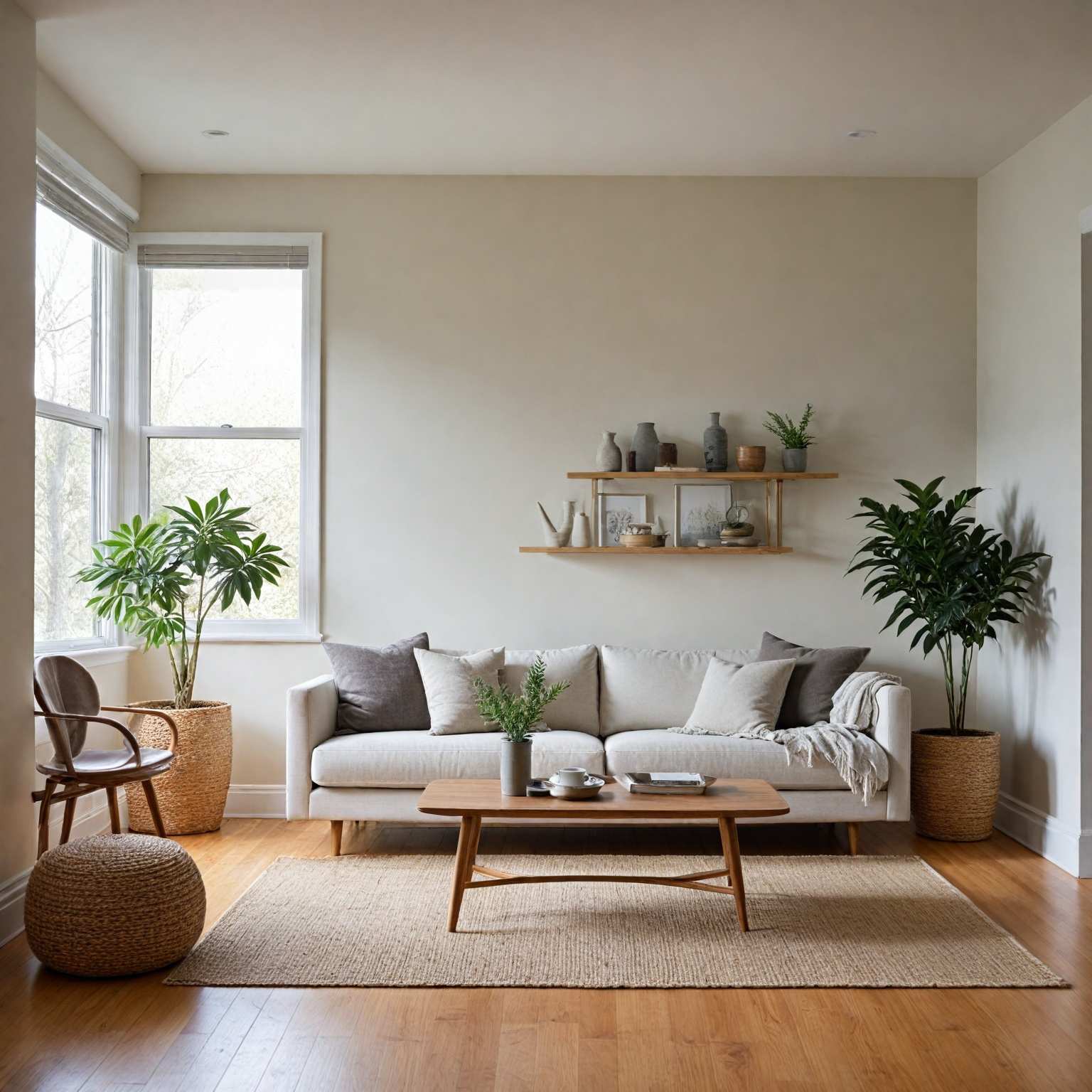
Minimalist living spaces prioritize essential, functional furniture made from sustainable materials such as reclaimed wood and bamboo. Decor is minimal and intentional, featuring simple art and plants to maintain uncluttered environments. Open floor plans and clear pathways enhance spaciousness and natural light flow. Built-in storage reduces visual distractions, while high-quality craftsmanship and natural textures add warmth. These strategies balance simplicity with comfort and environmental responsibility.
Psychological Benefits and Cultural Adaptation
Minimalism promotes mental well-being by reducing stress, fostering emotional resilience, and encouraging intentional living. Clutter-free environments enhance tranquility and autonomy, allowing focus on personal values and relationships. Culturally, minimalism adapts to diverse traditions, respecting local customs while promoting sustainability. Eastern and Western societies integrate minimalist principles differently, blending heritage with modern design. This flexible adoption ensures minimalism supports varied social and environmental contexts globally.
Implementation and Case Studies
Implementing modern minimalism involves decluttering, intentional design, and sustainable practices to create harmonious spaces. Case studies showcase modular construction using recyclable materials like bamboo and rammed earth, ecological building techniques, and innovative furniture made from hemp and thermally modified wood. These examples demonstrate how minimalist design can align with environmental goals without sacrificing style or comfort.
Related Movements and Challenges
Minimalism is influenced by movements such as Bauhaus, De Stijl, Scandinavian, and Japanese aesthetics, all emphasizing simplicity, function, and natural elements. It also reflects voluntary simplicity philosophies focused on essential living. Challenges include social perceptions of elitism and difficulty sustaining minimalist habits in consumerist cultures. Solutions involve integrating ecological design, fostering cultural transformation, and promoting inclusive, sustainable practices that respect diverse values and encourage mindful consumption worldwide.
The content is provided by Sierra Knightley, Scopewires