Highlights
- Nutrient-dense snacks enhance productivity and cognitive function, vital for busy professionals.
- Mindful snacking supports sustained energy and mental clarity, avoiding midday slumps and fatigue.
Summary
Healthy snacks for busy professionals are nutrient-dense foods chosen to sustain energy, enhance cognitive function, and support well-being during demanding workdays. These snacks balance protein, fiber, healthy fats, vitamins, and antioxidants to maintain stable blood sugar, prevent energy crashes, and improve mental clarity. Key nutrients like omega-3 fatty acids and B vitamins optimize brain health, concentration, and mood. Research links poor dietary habits to reduced productivity and fatigue, while snacks such as nuts, leafy greens, whole grains, fruits, and omega-3-rich fish improve memory, focus, and stress reduction. Practical strategies include preparing balanced snacks, mindful eating, and hydration, complemented by moderate caffeine intake. Mindful snacking and personalized nutrition help avoid overconsumption and dependence on processed foods. Overall, balanced, nutrient-rich snacks support productivity and long-term health.
Importance and Characteristics of Healthy Snacks
Healthy snacks enhance productivity by providing essential vitamins, minerals, and antioxidants that support brain function and prevent mid-day energy slumps caused by sugary foods. The brain requires nutrients like omega-3 fatty acids, B vitamins, and antioxidants to function optimally. Foods such as fatty fish, eggs, leafy greens, whole grains, and legumes supply these nutrients, stabilizing blood sugar and promoting sustained mental energy. Antioxidants protect brain cells from oxidative stress, while hydration and moderate caffeine intake aid alertness without energy crashes.
Ideal snacks combine protein, fiber, and healthy fats to promote satiety and steady energy. Options like fresh fruits, vegetables, nuts, and plain yogurt are recommended, often paired to balance macronutrients (e.g., apples with peanut butter). Key brain-supporting nutrients include omega-3s, B vitamins, vitamins D and E, and antioxidants found in walnuts, chia seeds, leafy greens, and berries. These foods protect against cognitive decline and support mental clarity.
Types of Healthy Snacks That Boost Productivity
Productivity-enhancing snacks are rich in protein, fiber, vitamins, minerals, and antioxidants to sustain energy and support cognitive function. Examples include:
Nuts and Seeds: Provide protein, minerals, antioxidants, and compounds supporting sleep and alertness, such as melatonin in walnuts and tyrosine in sesame seeds.
Pulses and Legumes: Lentils and edamame offer plant-based protein, fiber, iron, folate, and omega-3s, supporting brain health and energy.
Fish and Oily Seafood: Small oily fish like sardines supply omega-3 fatty acids that reduce stress and improve mood and memory.
Vegetables and Leafy Greens: Rich in vitamins and antioxidants that combat oxidative stress and support cognition while providing fiber for stable blood sugar.
Whole Grains: Complex carbohydrates like oats, quinoa, and brown rice provide sustained energy by stabilizing blood sugar.
Fruits and Berries: Antioxidant-rich options like blueberries and pomegranate protect brain cells and may delay cognitive aging.
Hydrating Snacks and Beverages: Adequate hydration, supported by water and water-rich fruits and vegetables, boosts energy and mental flexibility.
Practical Snack Ideas and Timing
Balanced snacks combining protein, healthy fats, and complex carbohydrates help maintain energy and focus. Examples include edamame with tahini, hard-boiled eggs with vegetables, mixed nuts, and homemade energy bars. Incorporating whole grains and plant proteins like quinoa and lentil salads enhances nutrition. Preparing snacks in advance and maintaining consistent meal timing supports sustained energy and attention without spoiling appetite.
Consuming about two nutrient-dense snacks daily, providing roughly 10% of caloric intake, aligns with recommendations. Starting the day with a high-protein breakfast followed by a mid-morning snack sustains metabolism and prevents energy dips. Mindful timing aligned with circadian rhythms optimizes cognitive performance and focus.
Benefits and Strategies for Healthy Snacking
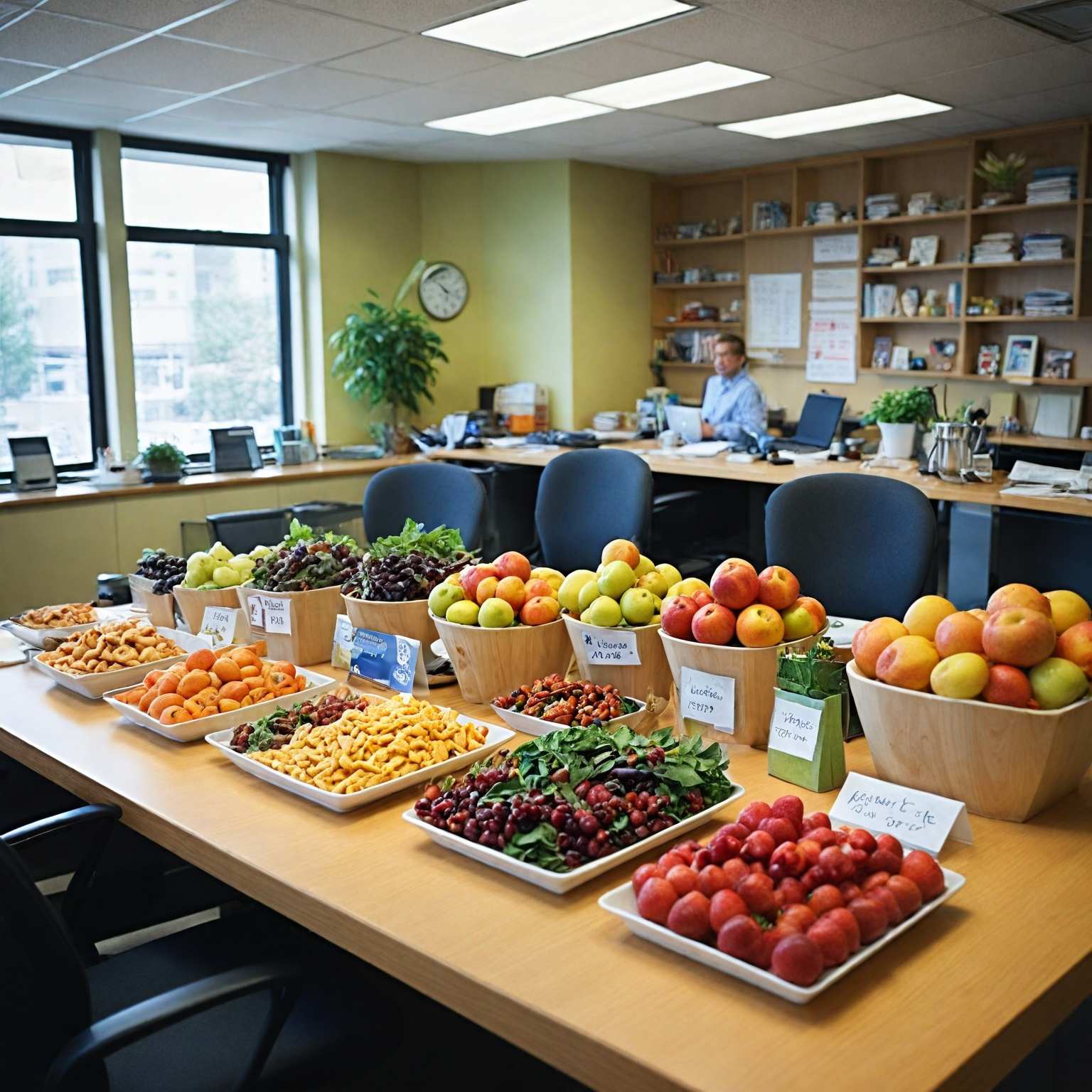
Healthy snacking sustains energy, cognitive function, and mental well-being, preventing productivity loss linked to poor diets. Nutrient-rich snacks improve concentration, mood, and memory by supplying omega-3s, vitamins, and antioxidants. Regular, balanced snacking stabilizes blood glucose and prevents fatigue and overeating. Providing healthy snacks in the workplace fosters motivation, teamwork, and employee retention.
Effective strategies include planning and preparing snacks ahead to avoid unhealthy options, choosing protein-rich, low-sugar snacks, and practicing mindful eating to prevent overeating. Simple changes, like replacing sugary snacks with protein-rich alternatives, enhance concentration and energy. Personalized nutrition plans can further optimize performance.
Potential Risks and Considerations
While healthy snacking offers multiple benefits, attention is needed to avoid overconsumption, reliance on processed snacks, and negative effects on appetite regulation. Mindful snacking and personalized approaches help maximize benefits and prevent unhealthy eating behaviors.
The content is provided by Jordan Fields, Scopewires