Highlights
- 3 carat lab-grown diamonds offer luxury and sustainability at a lower cost.
- Younger consumers prioritize ethical and economic advantages, boosting lab-grown diamond popularity.
Overview of 3 Carat Lab-Grown Diamonds in 2025
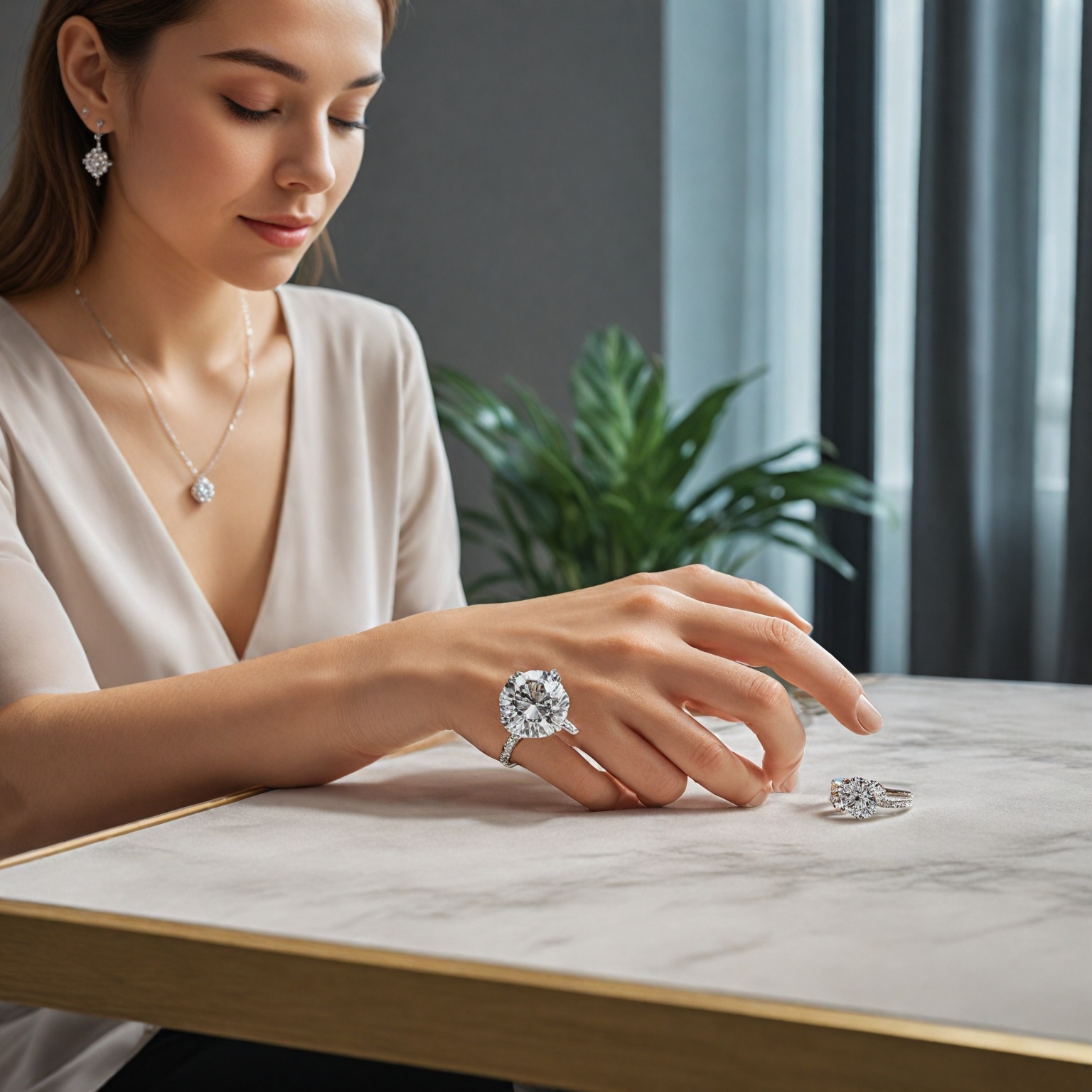
The popularity of 3 carat lab-grown diamond rings is rising due to consumer shifts, technological advances, and market growth. Lab-grown diamonds, produced by high-pressure high-temperature (HPHT) or chemical vapor deposition (CVD) methods, match natural diamonds in physical and chemical properties but are faster and cheaper to produce. These stones offer a striking visual impact and affordability, making them attractive to luxury buyers.
Market expansion is driven by increased awareness of the environmental and ethical issues tied to mined diamonds. Lab-grown options reduce ecological disruption and labor concerns, supported by certifications like SCS-007 and CarbonNeutral verification. Younger consumers, especially Millennials and Gen Z, favor synthetic diamonds for their ethical and economic benefits, influencing brands such as Brilliant Earth and Lightbox Jewelry. Asia Pacific, led by India and China, dominates production due to strong infrastructure and government support.
Despite debates over energy consumption and sustainability, ongoing innovations and certification frameworks strengthen the position of lab-grown diamonds as responsible luxury alternatives.
Characteristics and Production
Lab-grown diamonds replicate natural diamond formation through HPHT or CVD processes, resulting in identical hardness, brilliance, and durability. They are graded by the same four Cs—color, cut, clarity, and carat weight—and typically cost less than natural diamonds. The 3 carat size is gaining popularity for its balance of size, quality, and price.
HPHT applies extreme pressure and heat to melt carbon into diamonds within days, producing high-clarity stones up to 10-15 carats. CVD grows diamonds atom-by-atom over weeks at lower pressures and temperatures, also yielding large stones but with longer production times. Technological improvements have enhanced quality and lowered costs, especially in Asia Pacific markets supported by government R&D.
Grading, Certification, and Market Trends
Lab-grown diamonds are graded on the same standards as natural stones by institutions like GIA and IGI, with clear distinctions to differentiate them. The SCS-007 Jewelry Sustainability Standard evaluates ethical sourcing and environmental impact, providing digital certificates to assure buyers. Increasing consumer demand for transparency and sustainability makes certifications vital in the market.
The global lab-grown diamond market was valued at about USD 29.73 billion in 2025, growing at 14.15% CAGR through 2034. Asia Pacific leads with a one-third market share, driven by India and China, while North America remains a key consumer market emphasizing ethical sourcing. Millennials and Gen Z account for over 70% preference for lab-grown diamonds, favoring affordability and sustainability. The 3 carat segment is notable for engagement rings, priced between $7,000 and $13,000, primarily produced by HPHT methods.
Pricing and Economic Impact
3 carat lab-grown diamonds average around $2,347, significantly cheaper than natural counterparts, which can exceed $20,000 due to rarity. Prices vary by quality factors such as color and clarity. Advances in production have lowered costs and increased availability, influencing market dynamics globally. Europe ranks third in market size, with China and India growing rapidly through government support and rising consumer demand, especially among sustainability-conscious buyers.
Environmental and Ethical Considerations
Lab-grown diamonds are promoted as more sustainable alternatives, avoiding the extensive land and ecological damage caused by mining, which involves moving large amounts of earth and generating significant waste. However, the environmental benefit depends on the energy sources used in production. Use of renewable energy can reduce carbon emissions drastically compared to mined diamonds.
Ethically, lab-grown diamonds minimize labor risks and align with standards like SCS-007, addressing concerns prevalent in traditional mining. While some debate remains over the full environmental impact of synthetic production, the shift towards lab-grown diamonds reflects growing consumer demand for ethically and environmentally responsible luxury goods, particularly among younger generations.
Retail Landscape and Consumer Preferences
The retail market is increasingly focused on sustainability and transparency, with two-thirds of luxury consumers factoring sustainability into their purchasing decisions. Leading brands such as Brilliant Earth, VRAI, and Diamond Foundry emphasize eco-friendly practices and ethical sourcing. Certification standards like SCS-007 help build consumer trust by verifying responsible supply chains.
Lab-grown diamonds are expected to capture about 73% of the personal accessories market by 2025, driven by shifting fashion trends and consumer values favoring sustainability.
Future Outlook
Demand for 3 carat lab-grown diamonds is expected to grow, fueled by Gen Z’s preference for sustainable luxury and ongoing technological advances improving quality and accessibility. Certifications ensure ethical and environmental compliance, while energy source transparency remains critical to maximizing sustainability benefits. Continued innovation and consumer awareness will solidify lab-grown diamonds as a responsible choice in luxury jewelry.