Highlights
- 2025 offers advanced, safe, and effective methods for skin tag removal, both professional and at-home.
- Consult medical professionals for personalized and effective skin tag treatment tailored to your needs.
Summary of Skin Tag Removal Techniques in 2025
Skin tags (acrochordons) are common benign growths that often appear where skin folds. While harmless, they can cause discomfort or cosmetic concerns, leading many to seek removal. By 2025, both professional and FDA-cleared home treatments have advanced, improving safety and efficacy.
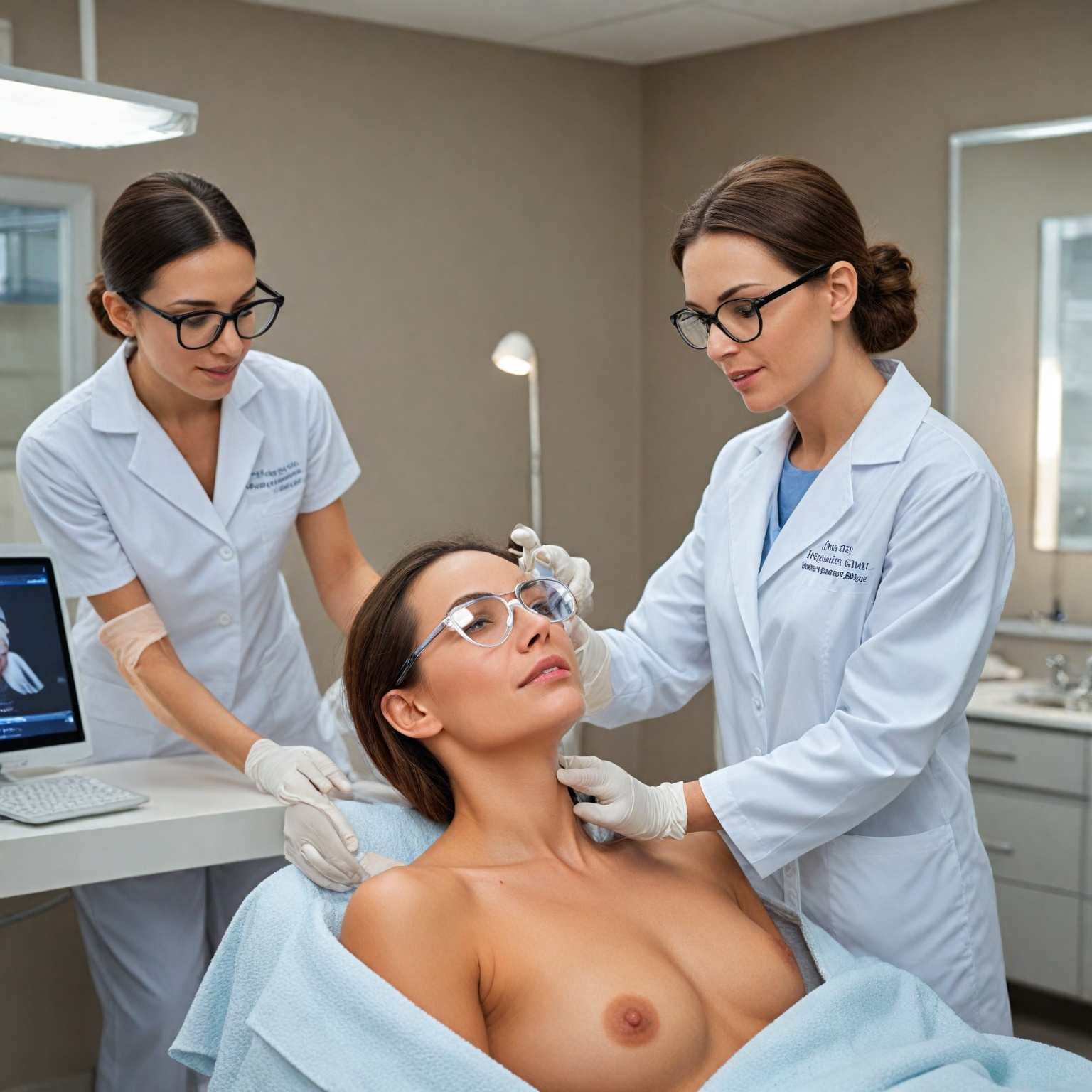
Professional methods remain the gold standard, including surgical excision, cryotherapy, electrodesiccation, and radiofrequency (RF) cautery. RF cautery is notable for its precision, minimal bleeding, and scarring. Cryotherapy uses liquid nitrogen to freeze and remove tags effectively, especially small to medium lesions. These procedures are done under local anesthesia with follow-up care.
FDA-approved home devices like Dr. Scholl’s Freeze Away offer convenient cryotherapy-based treatments, though medical advice is urged to avoid unverified and potentially harmful remedies such as toothpaste. The field continues to evolve with a focus on minimally invasive, cosmetically favorable options tailored to patient needs.
Skin Tags and the Need for Professional Removal
Skin tags are soft, benign growths commonly found on areas like the neck, armpits, and eyelids, affecting over half of adults, especially after age 40. Though harmless, they can cause irritation or cosmetic issues, prompting removal.
Effective removal requires caution. Professional treatments such as excision, cryosurgery, and radio cautery provide safer, cleaner results than at-home remedies, many of which lack scientific support and pose risks. Medical supervision reduces complications and is more cost-effective long term.
Professional Removal Techniques
In clinical settings, common removal methods include:
- Surgical excision: Immediate removal of larger or symptomatic tags under local anesthesia with minimal scarring.
- Cryotherapy: Freezes tags with liquid nitrogen, causing natural detachment; favored for small to medium lesions.
- Electrodesiccation: Uses electrical currents to destroy tissue internally, suitable for multiple tags.
- Radiofrequency (RF) cautery: Delivers high-frequency current for precise, bloodless removal with quick healing, especially effective for facial tags.
These procedures combine safety, efficacy, and cosmetic considerations.
Emerging Treatments and Home Options
Technological advances have introduced precise devices like Argent Fine Tip Cautery and FDA-cleared home treatments such as Dr. Scholl’s Freeze Away. Natural serums like Natura Pro also offer non-invasive options. However, medical consultation remains essential, especially for unusual or symptomatic tags.
Follow-up care at intervals up to three months post-treatment ensures optimal healing and patient satisfaction. Interprofessional clinical teams improve management of complex cases.
Comparison of Methods and Patient Satisfaction
Professional removal methods generally yield higher safety, precision, and satisfaction compared to at-home treatments, which may be less effective and require repeated use. Costs for professional procedures range from $100 to $400, while home products cost $15 to $60 but need careful application.
Electrosurgery shows superior outcomes over cryotherapy in clinical studies. RF cautery is favored for minimal downtime and excellent cosmetic results. Home remedies like toothpaste are ineffective and unsafe. Overall, professional removal offers over 95% success with minimal complications.
Patient Preferences and Treatment Outcomes
Patients balance convenience, cost, speed, and cosmetic outcomes when choosing removal methods. FDA-approved home cryotherapy appeals to those managing small tags themselves, while professional removal suits those seeking immediate, reliable results with expert care and minimal scarring.
Follow-up visits and structured care improve satisfaction. Professional procedures are quick (15–30 minutes), while home treatments require longer commitment. Sharing patient experiences helps guide choices.
Integration with Cosmetic Dermatology
Skin tag removal increasingly integrates with cosmetic dermatology to preserve natural skin appearance and minimize scarring. Facial tags require expert evaluation and tailored treatment using methods like cryotherapy, excision, shaving, hyfrecation, electrodesiccation, or RF cautery. Proper aftercare is critical for optimal healing. Professional consultation ensures accurate diagnosis and safe, effective treatment aligned with cosmetic goals.
Future Trends and Innovations
The growing prevalence of skin tags drives innovation in safe, effective treatments. There is rising demand for natural, organic products alongside technological advances in cryotherapy, laser, and RF cautery, enhancing efficacy while reducing discomfort and recovery time.
Professional procedures benefit from local anesthesia and minimally invasive techniques like RF cautery, delivering precise removal and excellent cosmetic outcomes. FDA-cleared home devices adapt professional cryotherapy for consumer use, expanding access while maintaining safety.
The content is provided by Jordan Fields, Scopewires