Highlights
- A well-chosen garage door can yield a 94% average return on investment.
- Tailoring your garage door selection to climate and style maximizes property value and longevity.
Overview of Garage Door Selection
Choosing the right garage door enhances a home’s curb appeal, functionality, and market value. Often called the “new front door,” it significantly affects first impressions and buyer perceptions. Key factors include material durability, insulation, climate suitability, security, and maintenance. Proper selection boosts resale value, improves energy efficiency, and enhances safety with modern locking and smart features. Matching the door’s style and color to the home’s architecture strengthens curb appeal and signals quality upkeep. Regional climate considerations, such as rust resistance in coastal areas or insulation in cold regions, are essential to maximize longevity and value. Professional advice and installation ensure optimal performance and appearance over time.
Key Considerations for Garage Door Selection
Important factors in garage door choice include:
Insulation (R-Value): Higher R-values improve thermal resistance, crucial for energy savings, especially in colder climates; an R-value of at least 12 is recommended for attached garages.
Material: Steel offers strength and affordability but may rust; aluminum is rust-resistant and lightweight but dent-prone; wood provides classic aesthetics but requires maintenance; fiberglass allows natural light but is vulnerable to weather damage; composite combines durability and low maintenance with a wood-like look; vinyl resists dents and rot, offering long-term durability.
Climate: Materials must suit local conditions—rust-resistant in coastal areas, highly insulated in cold climates, and impact-resistant in hurricane zones.
Security and Durability: Modern doors feature advanced locks and use durable materials to enhance safety and reduce repairs.
Maintenance: Steel and composite doors require less upkeep than wood; proper care extends door lifespan.
Impact on Home Value and Market Appeal
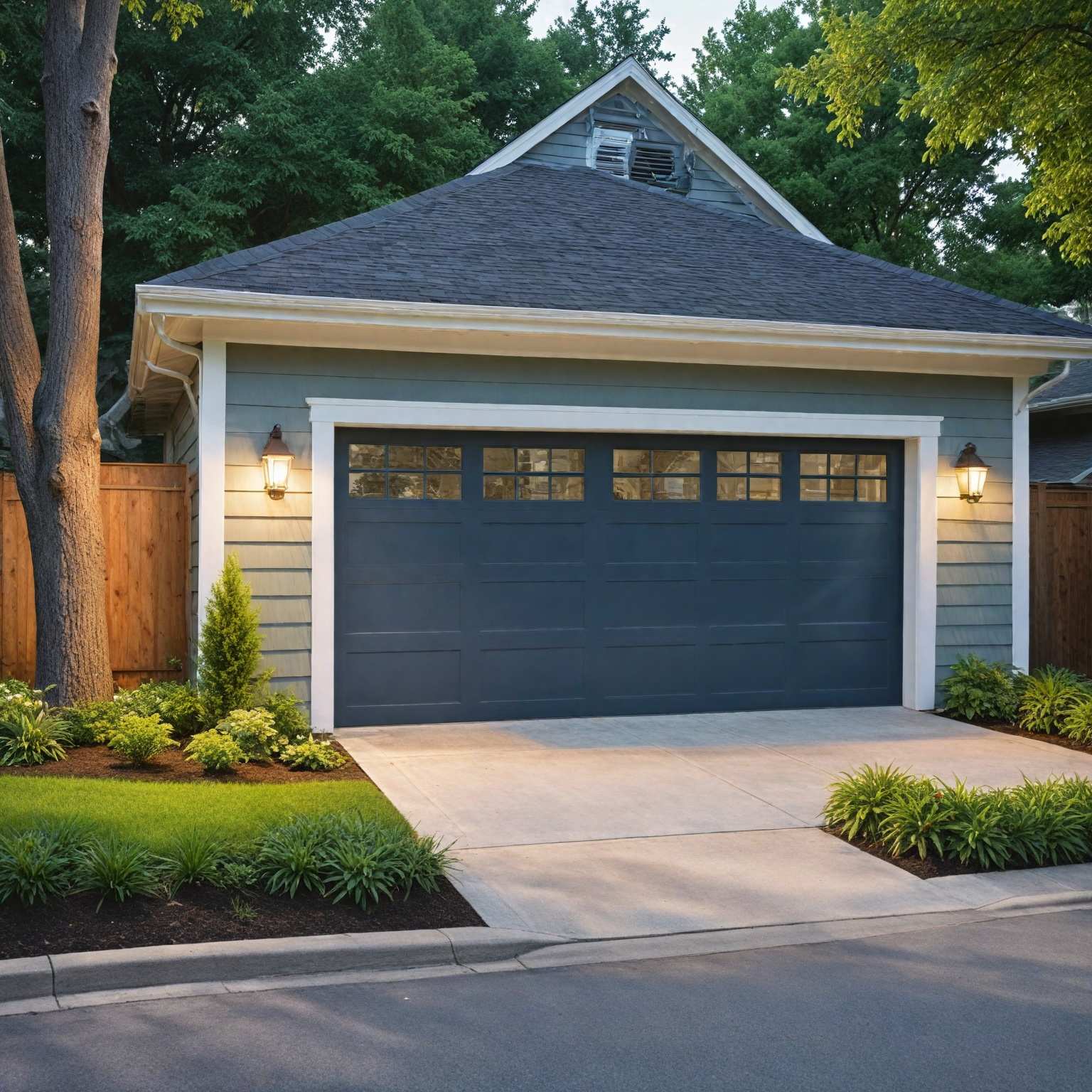
A quality garage door significantly improves curb appeal and market value, with studies showing an average ROI of about 94%, sometimes exceeding 100%. Upgrades enhance energy efficiency and security, with smart technology adding convenience. Matching the door’s style to the home’s architecture creates cohesive visual appeal that signals good maintenance to buyers. From traditional to contemporary designs, customization options allow integration with various architectural themes, making garage door replacement a smart exterior renovation choice.
Regional and Climate Influences
Regional climate dictates the best garage door materials and designs. Coastal and humid areas require moisture- and rust-resistant options like aluminum or composites. Cold regions prioritize insulation to reduce heat loss, favoring steel and composite doors. Hurricane-prone zones benefit from impact-rated doors to withstand storms. Customizing door design to local architectural styles and colors further enhances curb appeal and durability, ensuring the door meets environmental challenges with appropriate maintenance.
Guidance for Choosing the Ideal Garage Door
Selecting a garage door that fits your home’s style and needs is crucial for functionality and value. Designs should complement architectural details—Craftsman homes suit detailed doors, modern homes favor streamlined styles, and Colonial homes align with panel doors. Considering buyer preferences, where curb appeal is critical, upgrading worn doors is beneficial. Consulting specialists for personalized advice and ensuring professional installation guarantees optimal performance. Regular maintenance preserves functionality and appearance, making the garage door a lasting asset.
The content is provided by Harper Eastwood, Scopewires