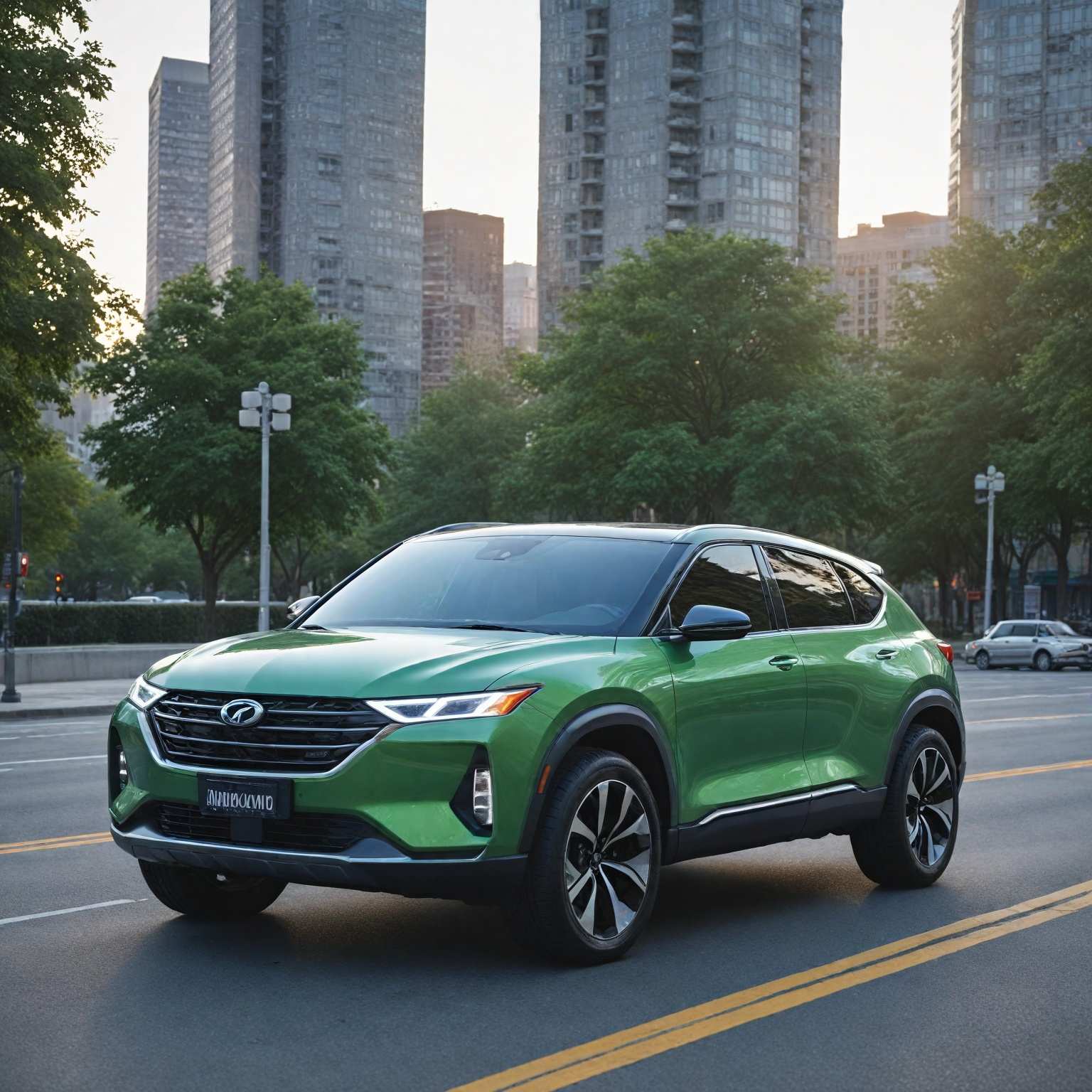
Highlights
- Electric SUVs combine performance and sustainability, appealing to environmentally conscious consumers.
- Accelerating demand for electric SUVs signals a significant shift toward sustainable transportation solutions.
Overview and Key Features of Electric SUVs
Electric SUVs use battery-powered electric motors instead of internal combustion engines, offering zero tailpipe emissions, immediate torque, and quieter operation. They provide similar or greater space and utility compared to traditional SUVs, appealing to consumers seeking performance and environmental benefits. However, higher upfront costs, limited range, and uneven charging infrastructure pose adoption challenges. Market demand is growing globally, supported by incentives and stricter emissions regulations, with electric SUVs playing a key role in reducing transportation emissions.
Powertrain and Performance
Electric SUVs feature simpler powertrains with fewer moving parts than gasoline vehicles, resulting in lower maintenance but potentially higher repair costs due to specialized components. They deliver instant acceleration and high energy efficiency, often matching or exceeding traditional SUVs in performance. Hybrids combine electric motors with combustion engines for improved fuel efficiency and longer range, while plug-in hybrids can run short distances on electric power alone.
Environmental Impact and Manufacturing
Electric SUVs produce zero tailpipe emissions, but their overall environmental impact depends on electricity sources and battery production. Battery manufacturing is energy-intensive and involves mining materials like lithium and cobalt, which raises ecological and ethical concerns. Recycling and improved battery design are critical for sustainability. Lifecycle emissions of electric SUVs are typically lower than gasoline counterparts, especially when charged with cleaner electricity. Regulatory policies increasingly emphasize reducing emissions across production and supply chains.
Maintenance, Cost, and Infrastructure
Electric SUVs require less frequent maintenance than traditional vehicles due to fewer mechanical parts, though repairs can be costlier and require specialized service. While they have higher initial purchase prices, lower fuel and maintenance costs can reduce total ownership expenses over time. Charging infrastructure availability remains a key barrier; home charging can take several hours, and public fast chargers are less widespread than gas stations, impacting convenience, especially for those without home access.
Consumer Preferences and Market Trends
Consumers value SUVs for their space and versatility, with environmental concerns increasingly influencing preferences. Price and driving range remain major factors, with incentives like tax credits helping offset costs. Electric SUVs have gained significant market share globally, particularly in China, while growth in the US and Europe faces policy and pricing challenges. Despite rising sales, emissions from the SUV segment remain a concern, prompting industry efforts to reduce carbon footprints.
Battery Recycling and End-of-Life Management
End-of-life management of electric SUVs focuses on recycling lithium-ion batteries to recover valuable materials and minimize environmental harm. Battery dismantling is complex due to varying designs, but recycling capacity is expanding to meet future demand. Second-life applications for used batteries in energy storage are developing but face economic and logistical challenges. Designing batteries for easier recycling is essential to improving sustainability outcomes.
Challenges and Future Outlook
Key challenges for electric SUVs include limited driving range, charging accessibility, battery production impacts, and higher upfront costs. Environmental benefits depend on cleaner electricity grids and improved battery lifecycle management. Technological advances in battery design, recycling, and charging infrastructure are crucial to wider adoption. Market growth is expected to continue, driven by consumer interest and regulatory support, with hybrids helping bridge gaps in affordability and range. The future will involve innovations addressing performance, cost, and sustainability to strengthen electric SUVs’ role in transportation.
The content is provided by Jordan Fields, Scopewires