Highlights
- Microblading offers a natural-looking solution for enhancing eyebrows, appealing to diverse needs.
- Choosing skilled professionals ensures safety and enhances the longevity of your microblading results.
Summary
Microblading is a semi-permanent cosmetic procedure originating in Asia around 2015 that enhances eyebrows by manually implanting pigment with fine, hair-like strokes. It offers a natural, customizable alternative to traditional tattooing and benefits those with hair loss conditions. The process includes consultation, precise mapping, pigment application with a handheld tool, and a follow-up touch-up for optimal results. Skilled professionals using quality pigments and hygiene protocols are essential to minimize risks such as allergic reactions and infections. Results typically last 12 to 18 months, making microblading a popular, evolving eyebrow enhancement method.
History and Procedure
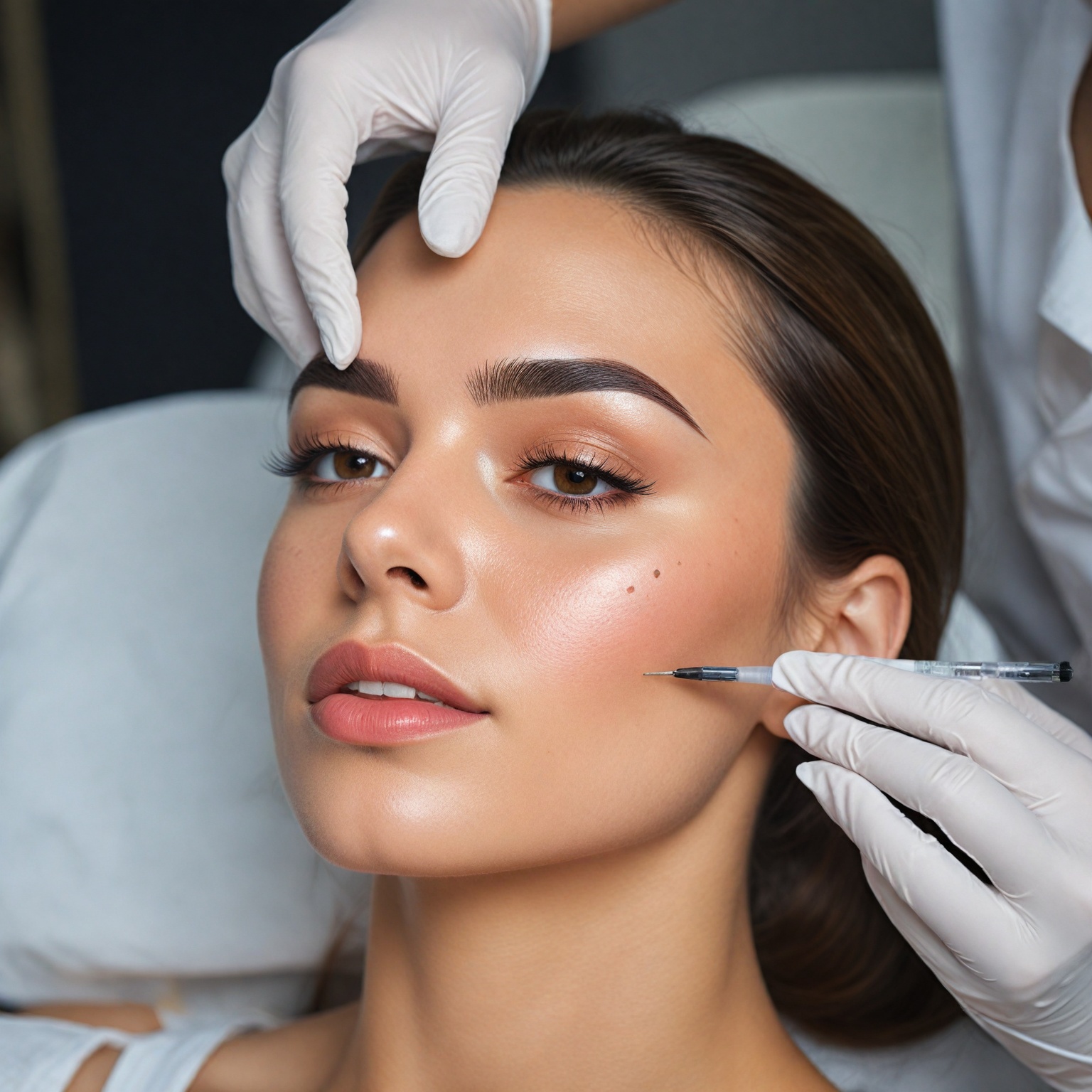
Eyebrow enhancement has ancient roots, with cultural and functional significance dating back to Ancient Egypt. Early permanent makeup often looked unnatural, but modern microblading, developed in Asia around 2015, creates natural-looking brows with fine strokes. The procedure begins with consultation and eyebrow mapping, followed by pigment application using a fine-needle tool. It lasts 2-3 hours and requires a touch-up 4-8 weeks later to refine color and shape. Only trained professionals should perform microblading, using safe, high-quality pigments.
Techniques and Candidate Suitability
Traditional microblading uses fine needles to create precise hair-like strokes, ideal for dry to normal skin types, with results lasting 12-18 months. Microshading, a less invasive alternative, uses a stippling method for a softer, powdery look, suited for sensitive or oily skin. Ideal candidates have dry to slightly oily skin; those with active skin disorders or allergies should avoid the procedure. Proper screening and patch testing are essential to minimize risks.
Benefits and Risks
Microblading offers precise, natural-looking, semi-permanent brows that fade over time, allowing style adjustments. It saves daily grooming time and can be corrected during touch-ups. Risks include allergic reactions, infections, scarring, and pigment issues, often linked to artist skill and hygiene standards. Choosing an experienced professional reduces complications and ensures better results.
Healing and Aftercare
The healing process spans several weeks, starting with darkened brows and mild swelling, followed by scabbing and pigment fluctuations. Proper aftercare—keeping the area dry, avoiding touching, and gentle cleansing—is crucial to prevent infection and ensure pigment retention. Signs of infection require immediate medical attention.
Comparison, Cost, and Popularity
Unlike traditional eyebrow tattooing, which implants pigment deeper and results in blockier brows, microblading deposits pigment superficially for a more natural look but with shorter longevity. Microblading costs more due to its detailed technique and quality pigments, often including a necessary touch-up. Popularity has surged globally, fueled by social media and evolving beauty trends, with ongoing innovations such as the “6D Eyebrow” technique.
Cultural and Social Impact
Eyebrow enhancement has long reflected cultural beauty standards and social identity. Microblading continues this tradition, combining artistry and technology to meet modern desires for personalized, lasting eyebrow aesthetics. It serves both cosmetic and expressive purposes aligned with contemporary values.
Frequently Asked Questions
Common questions include suitability for oily skin, which can affect healing and pigment retention, and information on essential microblading tools for beginners.
The content is provided by Avery Redwood, Scopewires