Highlights
- Government support is crucial for advancing glucose monitoring smartwatch technologies and accessibility.
- Regulatory challenges remain, highlighting the importance of innovations for effective diabetes management solutions.
Summary and Background
Government-supported glucose monitoring smartwatches are emerging wearable technologies aimed at improving diabetes management through non-invasive, continuous glucose monitoring (CGM). Traditional CGMs use minimally invasive sensors under the skin, while new smartwatches seek to provide real-time glucose data via non-invasive methods like sweat analysis. Government agencies such as the U.S. NIDDK and European funding bodies support research and innovation, though regulatory challenges remain. No smartwatch has yet received FDA approval for non-invasive glucose monitoring, and warnings have been issued against unauthorized devices due to accuracy concerns. These technologies promise enhanced patient adherence and integration with digital health systems but depend on overcoming technical, regulatory, and reimbursement barriers.
CGMs have transformed diabetes care by reducing finger-prick tests and enabling better glycemic control. Recent advances focus on wearable, noninvasive sensors integrated into smartwatches that monitor glucose via biofluids like sweat. This aligns with digital health trends promoting personal self-monitoring and home healthcare. However, challenges in sensor accuracy and reliability persist, limiting full replacement of traditional methods.
Government Support and Regulatory Landscape
Government funding in the U.S. and Europe plays a vital role in advancing glucose monitoring technologies. Agencies like the NIDDK finance research to improve diabetes control systems, while regulatory bodies, especially the FDA, enforce strict accuracy standards. The FDA has not approved any non-invasive glucose monitoring devices and has issued warnings against unauthorized smartwatches or rings claiming such capabilities due to safety risks. Europe’s Medical Device Regulation imposes rigorous standards, with initiatives like Horizon Europe providing research funding to accelerate innovation.
Glucose Monitoring Smartwatches and Industry Developments
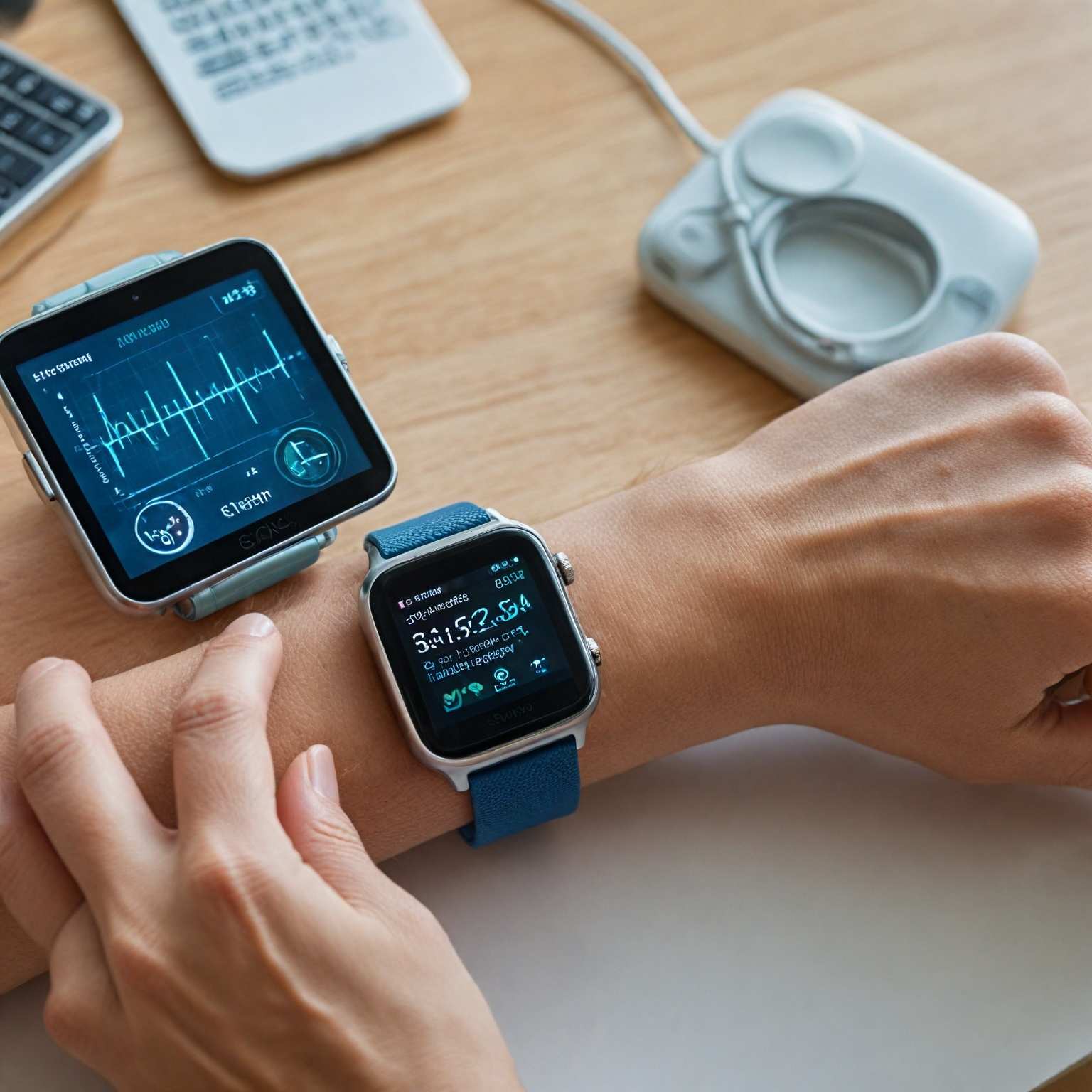
Smartwatches capable of glucose monitoring represent a major health technology advancement, offering convenient, often non-invasive blood glucose tracking. While current CGMs use minimally invasive sensors, companies including Apple, Huawei, and Samsung are developing fully non-invasive smartwatches using optical, infrared, and microwave sensing. Innovations integrate self-powered sensors and in situ signal processing to monitor glucose through sweat continuously. Government-supported projects like Wales’ Glucowear highlight global efforts to develop accessible, wearable glucose monitors. Experts caution these devices should complement traditional tools until validated and approved.
Impact, Benefits, and Policy Advances
Government initiatives expanding CGM access improve outcomes by enabling real-time glucose monitoring that reduces the burden of diabetes management. CGMs aid in early detection and support personalized therapy adjustments through connected digital ecosystems. Despite benefits, insurance coverage and cost remain barriers. Policy changes in Medicare and Medicaid have improved reimbursement codes and coverage for CGMs, but advocacy continues to broaden access. Technological innovation is accelerating, with major companies developing non-invasive, integrated smartwatches that may enhance usability and reduce infection risks associated with invasive sensors.
Challenges and Regulatory Hurdles
Non-invasive glucose monitoring devices face major challenges in accuracy, reliability, and regulatory approval. No non-invasive smartwatch or smart ring has received FDA clearance due to difficulties in consistent glucose measurement affected by various physiological factors. The FDA warns against unauthorized devices and closely monitors the market to prevent illegal promotion. European regulations further complicate commercialization by imposing stringent safety and efficacy requirements. Research efforts supported by government funding focus on multi-modal digital health technologies, but clinical acceptance and regulatory approval remain significant obstacles.
Recent Trends and Future Outlook
Government programs focus on increasing CGM access among Medicaid beneficiaries and improving coverage policies to reduce disparities. Medicare and Medicaid have updated billing codes to reflect technological advances, though high costs remain a challenge. Technological progress continues with companies developing smartwatches featuring flexible photovoltaic cells and electrochemical sensors for non-invasive glucose monitoring. These innovations aim to transform diabetes care through improved accessibility, affordability, and integration with digital health ecosystems. Despite regulatory and technical challenges, ongoing research and funding suggest a promising future for glucose monitoring smartwatches.
The content is provided by Jordan Fields, Scopewires