Highlights
- Mobility scooters enhance independence for seniors, promoting active lifestyles and social engagement.
- Selecting the right scooter is crucial for safety and maximizing long-term physical health benefits.
Summary and Overview
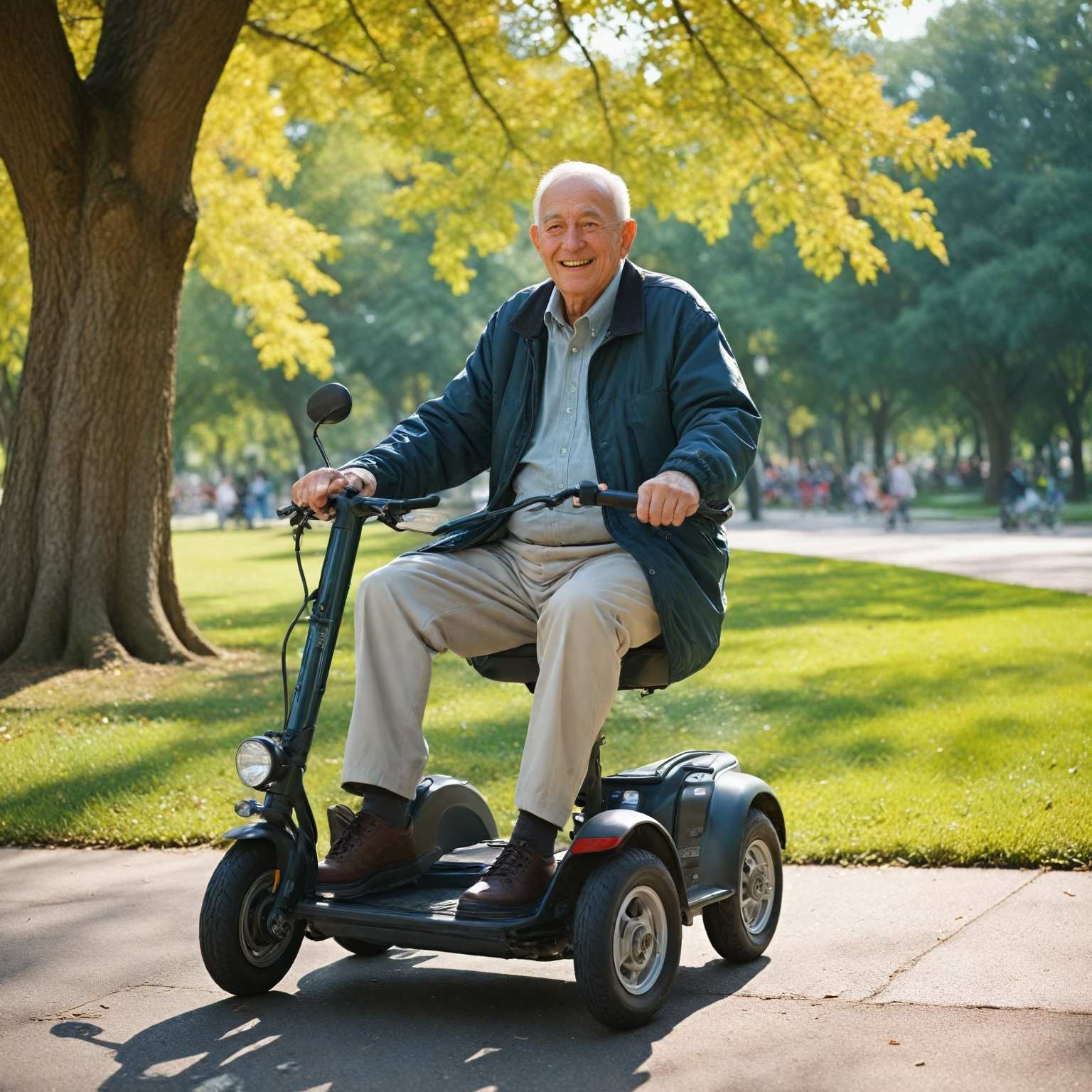
Mobility scooters are battery-powered vehicles designed to assist seniors and individuals with mobility challenges who can still transfer safely. Available in three- or four-wheel models, they range from compact indoor to robust outdoor versions, promoting independence, social engagement, and safer mobility. While they reduce fall risks and support active lifestyles, concerns exist about potential reduced physical activity from over-reliance. Selecting the right scooter involves evaluating safety, comfort, battery life, maneuverability, and terrain capability. Advances include smart connectivity, improved batteries, ergonomic designs, and stability features. Despite benefits, challenges remain in environmental accessibility, user training, and regulatory frameworks, requiring ongoing innovation and policy development.
Features and Considerations for Seniors
Mobility scooters typically have three or four wheels, with three-wheel models favored for indoor use and maneuverability, and four-wheel scooters offering better stability for outdoor and uneven terrains. They often include horns, lights, and storage for safety and convenience. Key features to consider include safety systems like anti-tip wheels and electromagnetic brakes, comfort elements such as adjustable padded seats and suspension, battery range (usually 8-20 miles), portability, weight capacity, and terrain handling.
User readiness is crucial: medical clearance, vision and hearing assessments, and cognitive evaluations ensure safe operation. Caregivers assist with training, maintenance, and emergency preparedness. Additional safety accessories like flags, lights, and GPS trackers enhance visibility and monitoring.
Technological Advances and Design Innovations
Modern scooters incorporate smart features such as Bluetooth connectivity, smartphone apps for diagnostics, navigation, and fall detection. Battery technology improvements use sealed lead-acid or lithium-ion batteries with indicators for remaining charge. Enhanced safety features include advanced braking systems, anti-slip treads, reflective lighting, and stability-focused four-wheel designs. Comfort is improved through adjustable seats, suspension systems, and lightweight foldable frames. Powerful yet efficient motors enable handling inclines and varied terrains. Customization options address individual needs, with financing and rental programs improving accessibility.
Physical and Environmental Challenges
Effective use of mobility scooters requires some physical ability, as many environments lack full accessibility. Around 30% of seniors experience balance or dizziness issues, making personalized device selection essential. Training and maintenance are vital for safe use. Environmental barriers such as uneven surfaces and crowded spaces pose safety risks, highlighting the need for clear facility rules, user education, and legal compliance. Caregivers support training, maintenance, and safety accessory use to promote independence and quality of life.
User Preferences and Feedback
Seniors prioritize performance, comfort, range, and terrain adaptability. Models like the Afiscooter S4 are praised for all-terrain capability, comfort, and high weight capacity (up to 450 lbs). Portability and ease of assembly are also important, with preferences varying by lifestyle—portable three-wheel scooters for frequent travel and four-wheel models for stability outdoors. Customization and psychological factors, such as stigma, affect adoption, with urban environments showing greater acceptance.
Engineering Challenges and Trade-Offs
Designing folding scooters balances functionality, portability, and user needs. Higher weight capacities require sturdier frames, which can reduce portability. Enhanced suspension and ground clearance improve comfort and outdoor use but add weight and complexity. Battery performance must deliver consistent range while maintaining lightweight construction, presenting ongoing engineering challenges.
Safety Guidelines and Medical Evaluations
Medical evaluations by physicians or occupational therapists are mandatory before insurance approval, ensuring scooters meet individual needs. Safety features include emergency brakes, anti-tip wheels, electromagnetic brakes, and lighting systems. Regular vision, hearing, and cognitive assessments support safe use. Proper training minimizes risks, and caregivers assist with maintenance and emergency planning. Safety accessories like flags and GPS trackers further enhance user security.
Maintenance and Care
Routine inspection of brakes, wheels, batteries, and lights prevents accidents and extends scooter lifespan. Most use sealed AGM batteries requiring proper charging to maintain efficiency. Regular cleaning, tire checks, and lubrication avoid mechanical issues. Caregivers play a key role in maintenance and emergency preparedness, contributing to safe and confident mobility.
Regulations and Legal Considerations
Regulations and reimbursement policies influence mobility scooter use among seniors. Many opt for wheelchairs due to better insurance coverage, while others purchase scooters out-of-pocket, often prioritizing affordability over advanced safety features. Facility rules on speed limits and operation protocols are essential in communal settings. Physician clearance ensures medical fitness. Safety concerns include tipping risks and pedestrian accidents, necessitating training and adherence to guidelines. Financial assistance through financing, rentals, and grants improves access to quality scooters.
The content is provided by Jordan Fields, Scopewires