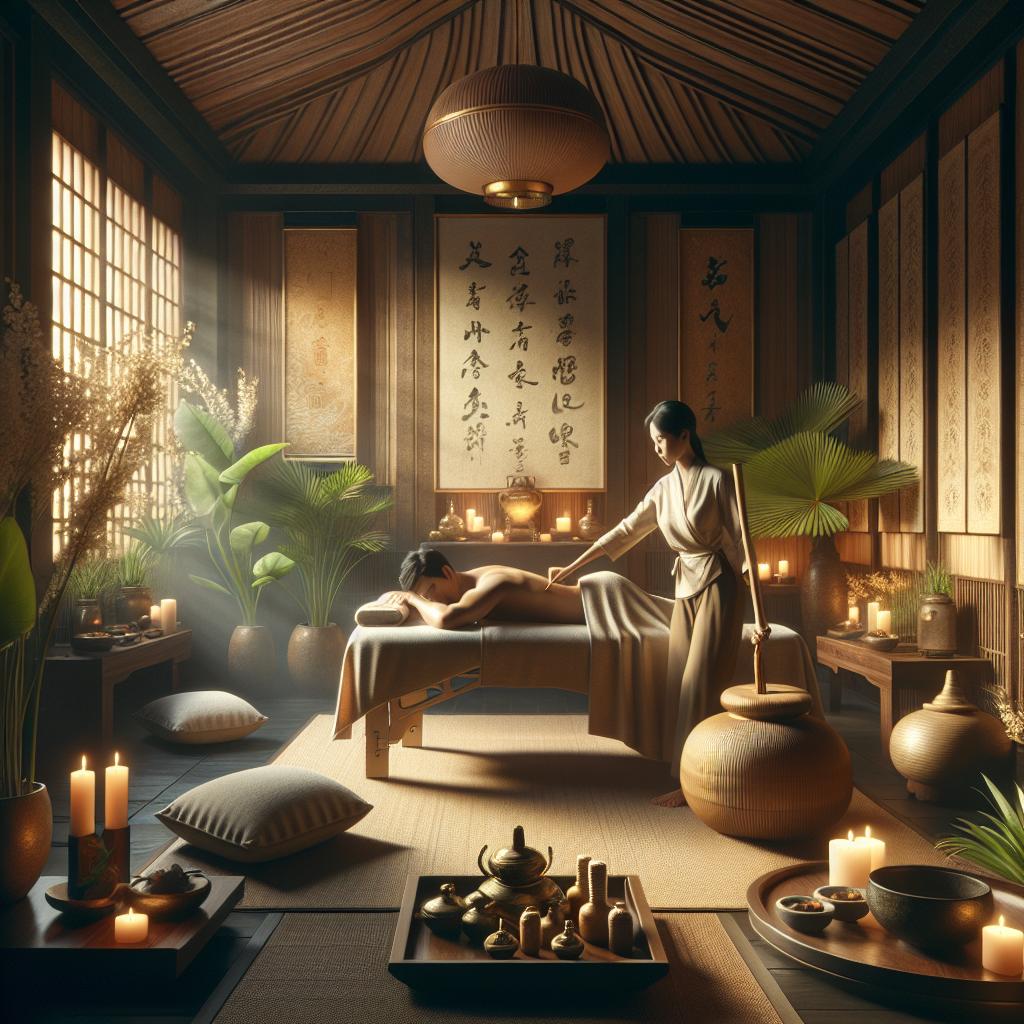
Highlights
- Discover the timeless benefits of Asian massage techniques for holistic health and wellness.
- Explore how ancient practices are innovatively fused with modern therapies for global appeal.
Summary
The Art of Asian Massages: Ancient Techniques for Modern Wellness explores the history, traditions, and modern adaptations of massage therapies from Asia, rooted in systems like Traditional Chinese Medicine (TCM) and Ayurveda. These methods focus on balancing body, mind, and spirit by manipulating vital energy—Qi or Prana. Asian massage includes Chinese Tui Na, Japanese Shiatsu and Anma, Thai massage, and Indian Ayurvedic therapies, using techniques such as acupressure, yoga postures, and herbal oils to promote health and relieve stress. Modern practices often integrate aromatherapy and heat therapy. Despite global popularity, scientific validation remains limited, and concerns about cultural authenticity and practitioner training persist. The article highlights the ongoing relevance of these holistic practices in contemporary wellness.
Historical Background and Philosophical Foundations
Asian massage has ancient roots, dating back thousands of years with early Chinese texts like the Nei Jing (2700 BCE) documenting its medical use. Indian Ayurveda detailed massage methods tailored to individual doshas, influencing Southeast Asian therapies such as Thai massage, which blends Indian and Chinese elements. Central to these traditions is the concept of vital energy (Qi or Prana) flowing through meridians or energy points, whose balance is essential for health. Cross-cultural exchanges along trade routes like the Silk Road enriched these practices, which continue today with modern adaptations while preserving holistic principles.
Major Traditional Techniques
Asian massage styles emphasize energy flow and holistic wellness:
- Chinese Tui Na: Uses kneading, tapping, and acupressure along meridians to treat ailments and balance Qi, integrating herbal remedies and martial arts influences.
- Japanese Anma and Shiatsu: Focus on finger pressure on acupoints to stimulate healing and incorporate Zen philosophy for emotional and spiritual balance.
- Thai Massage: Combines acupressure, assisted yoga-like stretches, and natural tools to realign the body and unblock energy lines (sen).
- Indian Ayurvedic Massage: Uses warm herbal oils and techniques like Abhyanga and marma point therapy to balance individual doshas and promote detoxification.
- Aromatherapy: Enhances sensory and therapeutic effects across various Asian massage traditions.
Techniques and Modern Adaptations
These massages employ pressing, kneading, stretching, and rolling to stimulate energy pathways and improve circulation. Chinese Tui Na addresses specific health conditions, while Japanese Shiatsu applies finger pressure to tsubo points. Thai massage uses rhythmic pressure and assisted stretches, sometimes with herbal compresses and wooden tools. Ayurvedic methods like Shirodhara involve warm oil applications for deep relaxation. Modern practices incorporate Western techniques, aromatherapy, and tools like foam rollers, adapting traditional skills for contemporary wellness and medical settings.
Benefits and Therapeutic Effects
Asian massages promote stress reduction, pain relief, improved circulation, and enhanced immune function by balancing vital energy. Techniques calm the nervous system, relieve musculoskeletal and neurological pain, and increase flexibility. Herbal components in Chinese and Ayurvedic massage further support relaxation and healing. These therapies address physical, mental, and emotional well-being beyond simple relaxation.
Cultural Exchange, Globalization, and Commercialization
Historic trade routes like the Silk Road facilitated the blending of Chinese, Indian, and Southeast Asian massage traditions, enriching techniques and philosophies focused on interconnected energy systems. Today, globalization has expanded their popularity worldwide, leading to fusion styles and integration into spa and wellness industries. Despite commercialization, many traditional elements and tools remain preserved. Educational institutions continue to support authentic training, balancing cultural heritage with innovation.
Cultural Impact and Representation
Asian massage techniques promote cultural exchange and holistic health philosophies globally. Training programs help preserve and adapt these practices, fostering appreciation of their cultural roots. Their integration into Western wellness highlights the shared value of mind-body unity and contributes to broader holistic health approaches worldwide.
Criticisms and Controversies
Concerns include limited scientific evidence supporting therapeutic claims, cultural appropriation, and potential dilution of traditional methods due to commercialization. Safety issues arise from varied massage intensities and inconsistent practitioner training. While historical texts emphasize massage’s healing roles, modern medicine often requires rigorous validation, reflecting ongoing tensions between traditional knowledge and scientific standards.
The content is provided by Harper Eastwood, Scopewires