Highlights
- Regular engine inspections prevent costly repairs and ensure safer travel for all.
- Improved diagnostics enhance detection of engine issues, promoting vehicle safety and longevity.
Summary and Importance of Engine Health Inspections
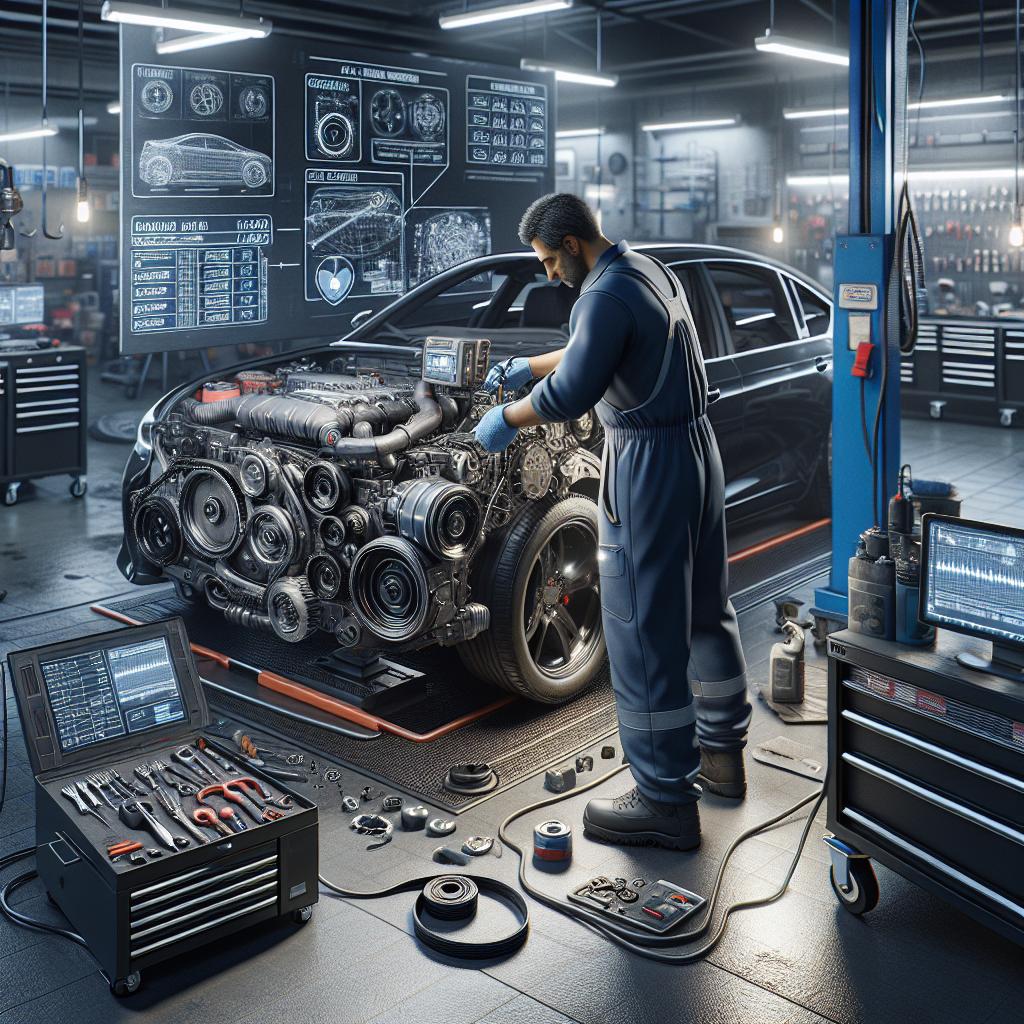
Regular engine health inspections are vital for vehicle safety, performance, and longevity. They detect minor issues such as coolant or oil leaks and ignition faults early, preventing costly repairs and breakdowns. Inspections also promote fuel efficiency, reduce emissions, and help comply with regulatory standards, preserving resale value. Advances in diagnostics like On-Board Diagnostics (OBD) and AI have improved inspection accuracy. Despite debates on cost-effectiveness, routine inspections remain essential for maintaining engine reliability, safety, and environmental responsibility.
Critical Components and Common Problems
Inspections focus on belts, hoses, lubrication, cooling, fuel, exhaust, and electrical systems. Problems commonly detected include overheating, oil leaks, ignition failures, engine misfires, and timing belt issues. Early detection prevents severe damage, breakdowns, and safety risks. OBD systems aid in quickly identifying faults linked to warning lights and emissions compliance.
Inspection Frequency and Procedures
Inspection intervals vary by manufacturer, driving conditions, and state regulations, typically ranging from 7,500 to 15,000 miles. Harsh conditions may require more frequent checks. Inspections combine visual assessments, diagnostic tests, and test drives to evaluate fluids, brakes, engine components, and performance. Specialized equipment inspections also monitor wear on critical parts.
Diagnostic Tools and Early Wear Indicators
Modern inspections use OBD scanners, wireless diagnostic tools, and specialized devices to detect engine and sensor issues. Laboratory oil analysis identifies internal wear through metal particles. Early signs of wear include unusual noises, oil leaks, smoke color changes, and reduced performance. Regular oil checks and monitoring fuel and ignition systems help prevent major failures.
Safety, Environmental Impact, and Regulatory Framework
Engine inspections enhance road safety by identifying mechanical hazards before accidents occur and support environmental protection by ensuring emissions compliance. US inspection laws vary, with 15 states requiring safety checks and many enforcing emissions testing. OBD testing complements these efforts by detecting faults electronically. Inspections encourage maintenance, helping avoid costly repairs and extending vehicle life.
Inspection Effectiveness and Cost Considerations
Studies show mixed results on inspections’ impact on crash reduction, partly due to risk compensation and data variability. Nonetheless, inspections effectively identify hazards, improving safety and preventing breakdowns. Regular maintenance reduces long-term costs by addressing minor issues early, avoiding expensive repairs like engine replacements.
DIY versus Professional Inspections
Basic checks can be performed by owners, but professional inspections offer comprehensive evaluations using advanced tools and expertise. Mechanics detect complex issues, provide preventive maintenance advice, ensure legal compliance, and maintain vehicle value more effectively than DIY methods.
Recent Trends and Innovations
Advances include AI-assisted diagnostics, wireless scan tools with active testing, and integration of traditional methods like compression tests and oil analysis. These technologies improve accuracy, reduce diagnostic time, and support preventive maintenance, ultimately extending engine life and vehicle reliability.
The content is provided by Jordan Fields, Scopewires