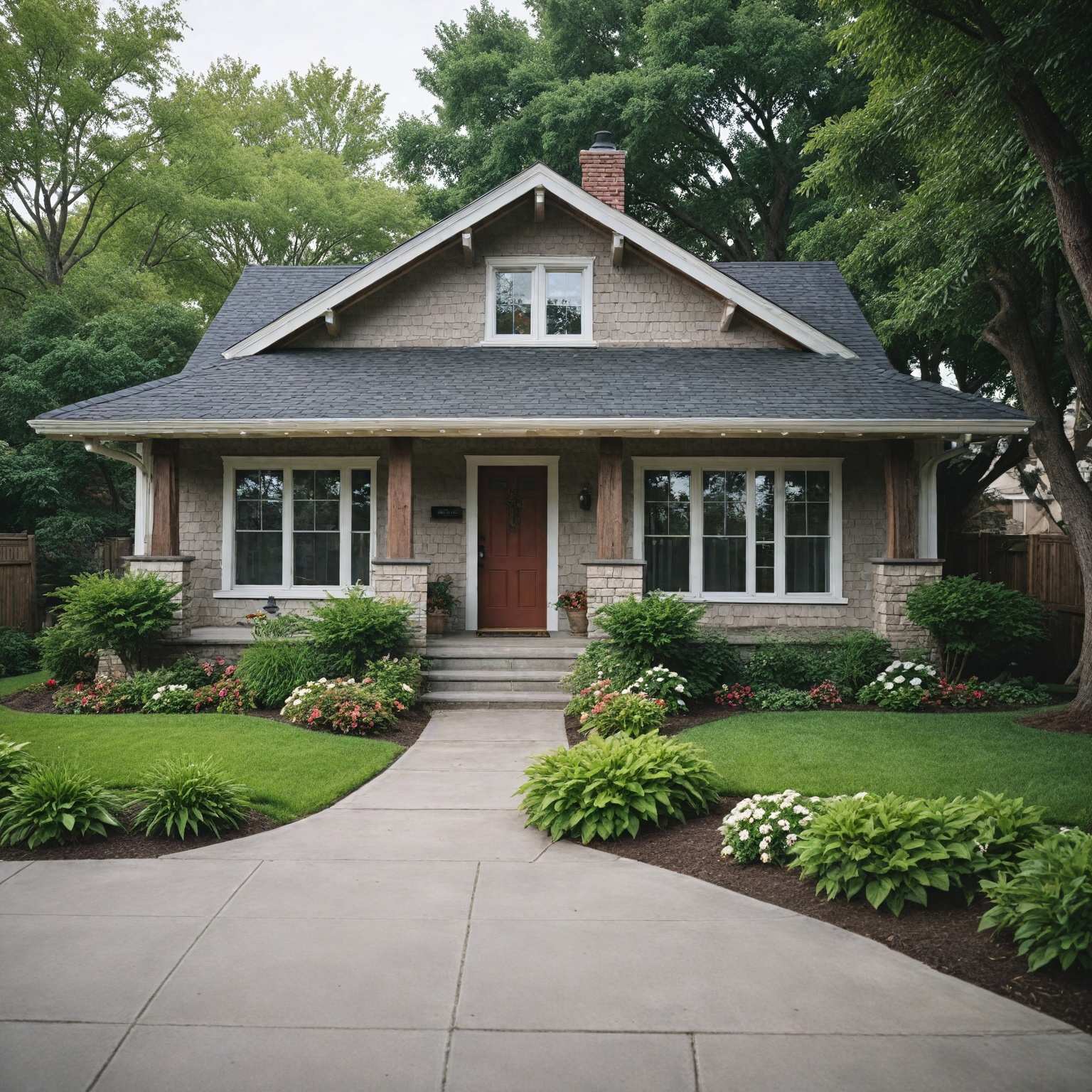
Highlights
- The bungalow's single-story design offers convenience and accessibility for diverse homebuyers.
- Modern bungalows blend traditional charm with sustainable innovations, enhancing their appeal today.
Summary and Definition
The bungalow is a single-story architectural style known for its low-pitched roof and simplicity, originating from 19th-century Bengal, India. It gained global popularity in the early 20th century, especially through the American Arts and Crafts movement. Valued for accessibility and ease of maintenance, bungalows appeal to diverse demographics, including retirees and millennials. Modern designs combine traditional elements with open floor plans, sustainable materials, and smart technologies, reflecting lifestyle and environmental trends. Regional variations—such as the Craftsman bungalow in the U.S. and California bungalow in Australia—demonstrate the style’s adaptability. Challenges include land use, zoning, and construction costs, though government programs promote affordable bungalow housing.
Historical Background and Regional Styles
Bungalows originated as simple single-story huts in colonial India, later adapted and popularized in Britain, the U.S., and Australia. In the U.S., the Craftsman bungalow became prominent in the early 1900s, especially in California, featuring redwood construction, large porches, and open plans. Australia embraced the California bungalow style during 1908–1940, while South Asia retains colonial-era single and two-story bungalows with wide porches. Other variants include Tudor and prairie bungalows in the U.S. and luxury overwater bungalows in French Polynesia. These regional adaptations highlight the bungalow’s versatility across climates and cultures.
Architectural Evolution and Interior Design
The bungalow style evolved from simple forms to incorporate modern design elements like sleek lines, concrete, and glass. Innovations include open floor plans, large windows for natural light, energy-efficient materials, and smart home technologies. Raised bungalows offer elevated foundations for additional space and flood resistance. Interiors favor open layouts that blend rustic and contemporary elements, enhancing social connectivity and comfort. Green energy features such as solar panels and heat pumps are common, reflecting sustainability trends. Software tools aid in planning adaptable, efficient bungalow interiors suited for remote work and flexible lifestyles.
Demographic, Lifestyle, and Market Trends
Demographic shifts, including aging populations and the rise of millennials and Gen Z buyers, drive bungalow demand due to accessibility, affordability, and adaptable layouts. Lifestyle preferences favor open, sociable spaces with nostalgic yet modern designs, amplified by social media interest. Economically, housing demand varies regionally, with smaller cities gaining appeal due to affordability. Mortgage rates have recently declined, encouraging sales despite high construction costs. Investor activity remains significant, although foreign investment has decreased. These factors influence bungalow availability and pricing, especially in urban areas.
Advantages and Disadvantages
Bungalows offer cost-efficiency, ease of maintenance, accessibility, and appealing aesthetics with features like low-pitched roofs and front porches. Their single-story design benefits mobility-impaired residents and fosters community integration. However, they require more land than multi-story homes, limiting density and increasing costs in urban areas. Zoning restrictions can hinder development, impacting affordability. While government incentives support bungalow construction, balancing costs and access remains a challenge.
Notable Examples and Architectural Significance
Bungalows display diverse styles, from traditional Craftsman to modern minimalist designs, characterized by open floor plans, wide verandas, and natural light. Regional examples include California, Chicago, and chalet bungalows, each adapted to local conditions. Contemporary architects blend traditional charm with modern amenities, as seen in renovations incorporating materials like blackened wood and expansive glass. Design firms continue to create bungalow plans that respect historical elements while meeting modern needs. Renovating older bungalows can be complex but often involves modest updates to preserve their iconic appeal.
The content is provided by Avery Redwood, Scopewires