Highlights
- Night shifts offer higher pay and flexible schedules but come with significant health risks.
- Innovative solutions are emerging to enhance the well-being of night shift employees.
Overview and Importance of Night Shift Work
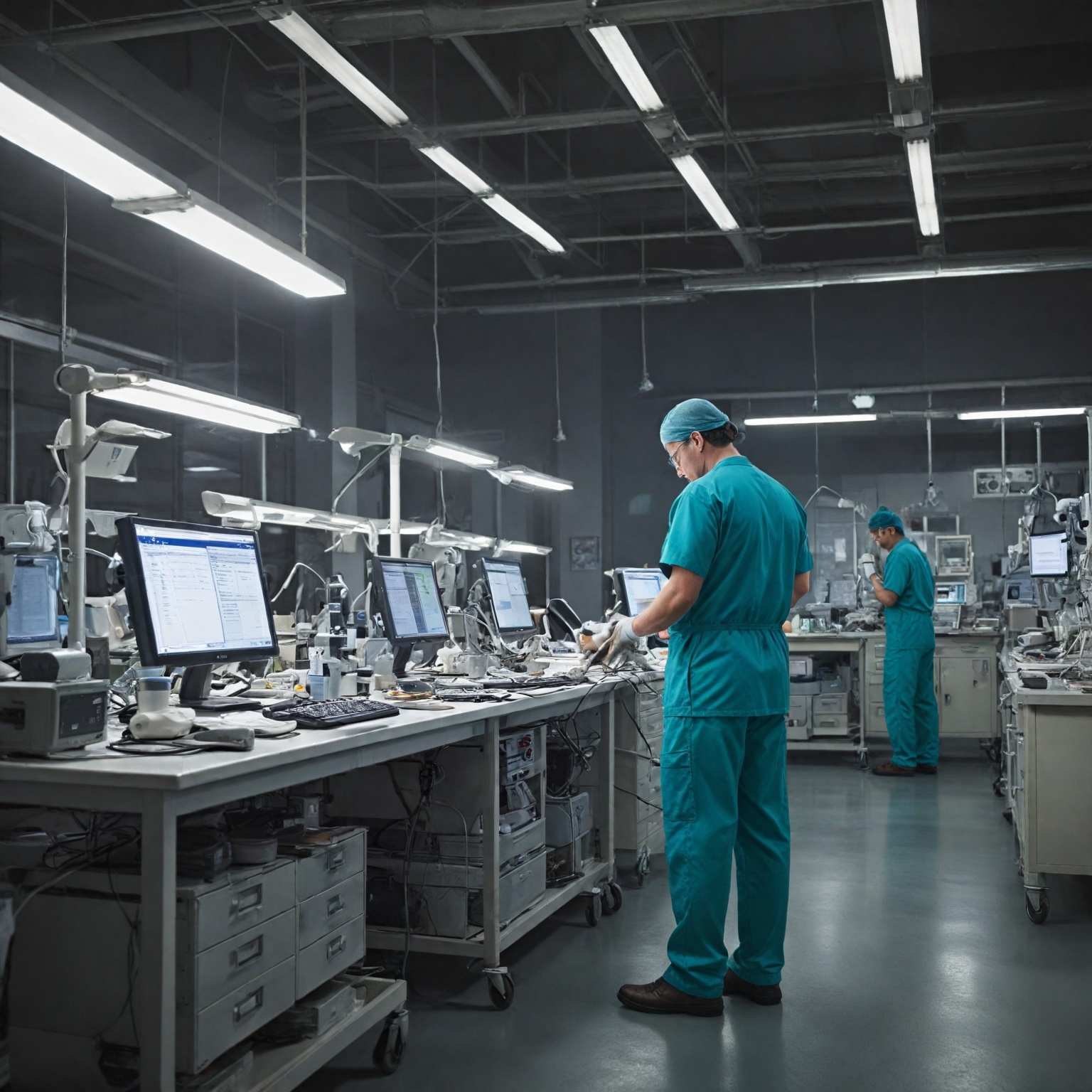
Night shift jobs involve working late evening to early morning hours, essential for continuous operations in healthcare, public safety, manufacturing, transportation, and customer service. These roles support emergency response, production, and global markets, contributing to economic efficiency but disrupting natural circadian rhythms. Night shifts often offer higher pay (5–20% more) and daytime flexibility but pose health risks such as sleep disorders, metabolic and cardiovascular diseases, cognitive impairment, and psychological distress. Employers are responsible for mitigating these risks through improved scheduling, education, and supportive environments, aided by technologies like sleep monitors and shift management software.
History and Evolution
Night shift work expanded with industrialization and electric lighting, enabling 24-hour operations in key sectors. Research on circadian rhythms revealed that night work disrupts internal clocks, causing sleep disturbances and mental health issues. Social isolation from family and community life also impacts workers. Efforts continue to balance economic demands with strategies to support worker well-being.
Types and Hours of Night Shift Jobs
Night shifts span healthcare, emergency services, customer service, hospitality, manufacturing, transportation, and public safety. Healthcare employs the largest share, including nurses and firefighters, often with shift differentials. Customer service and hospitality provide global support with higher pay and lighter workloads. Manufacturing and transportation rely on night workers for continuous production and cargo movement, with some sectors using irregular and rotating shifts. Shift durations typically last 8 hours but can extend to 12 or more, with start times between 18:00 and midnight. Long commutes may increase fatigue and complicate work-life balance.
Benefits of Night Shift Work
Night shifts offer financial incentives through higher pay, flexibility to free daytime hours for personal activities, and potential for faster career advancement due to less competition. These factors make night work attractive despite its challenges, particularly in industries serving global markets.
Challenges and Health Risks
Night shift work disrupts circadian rhythms, leading to sleep problems, fatigue, irritability, and reduced cognitive function. Long-term risks include diabetes, heart disease, obesity, certain cancers, and metabolic syndrome. Cognitive impairments increase workplace errors and accident risk. Mental health issues, burnout, and social disruptions affect family life and personal well-being. Persistent lifestyle changes often continue post-shift work, raising long-term health concerns. Night shifts can also elevate occupational hazards, as seen in major accidents like Chernobyl.
Managing Health and Well-being
Key strategies include securing 7–9 hours of daytime sleep in a dark, quiet environment, using naps to enhance alertness, and managing light exposure to realign circadian rhythms. Nutrition should focus on balanced meals before shifts and small, high-protein snacks during work, avoiding eating between midnight and 6 a.m. Regular physical activity supports cardiovascular and mental health. Employers should provide rest areas, personal protective equipment, and education on coping with night work’s demands.
Workplace Safety and Employer Responsibilities
Employers must ensure safe work environments under OSHA regulations, conducting risk assessments and training tailored to night shifts. Monitoring workers for fatigue-related symptoms and enforcing breaks reduces accidents and health issues. Lone night workers require periodic check-ins for safety. Shift scheduling and environmental adjustments like lighting help align circadian rhythms. Ongoing education and support are essential for compliance and worker well-being.
Technological Support for Night Shift Workers
Technologies such as sleep monitoring devices, alertness aids, shift scheduling software, and wearable health trackers help manage sleep quality, fatigue, and circadian disruption. Telemedicine facilitates ongoing health monitoring. These tools, combined with organizational support, improve safety and sustainability for night shift workers.
Research and Future Directions
Research increasingly focuses on genetic factors influencing individual responses to circadian disruption, aiming for personalized interventions. Effective light exposure during shifts and optimized scheduling are promising methods to enhance worker health. As 24-hour operations persist, advances in technology and tailored workplace strategies will be vital to balance productivity with employee well-being.
The content is provided by Sierra Knightley, Scopewires