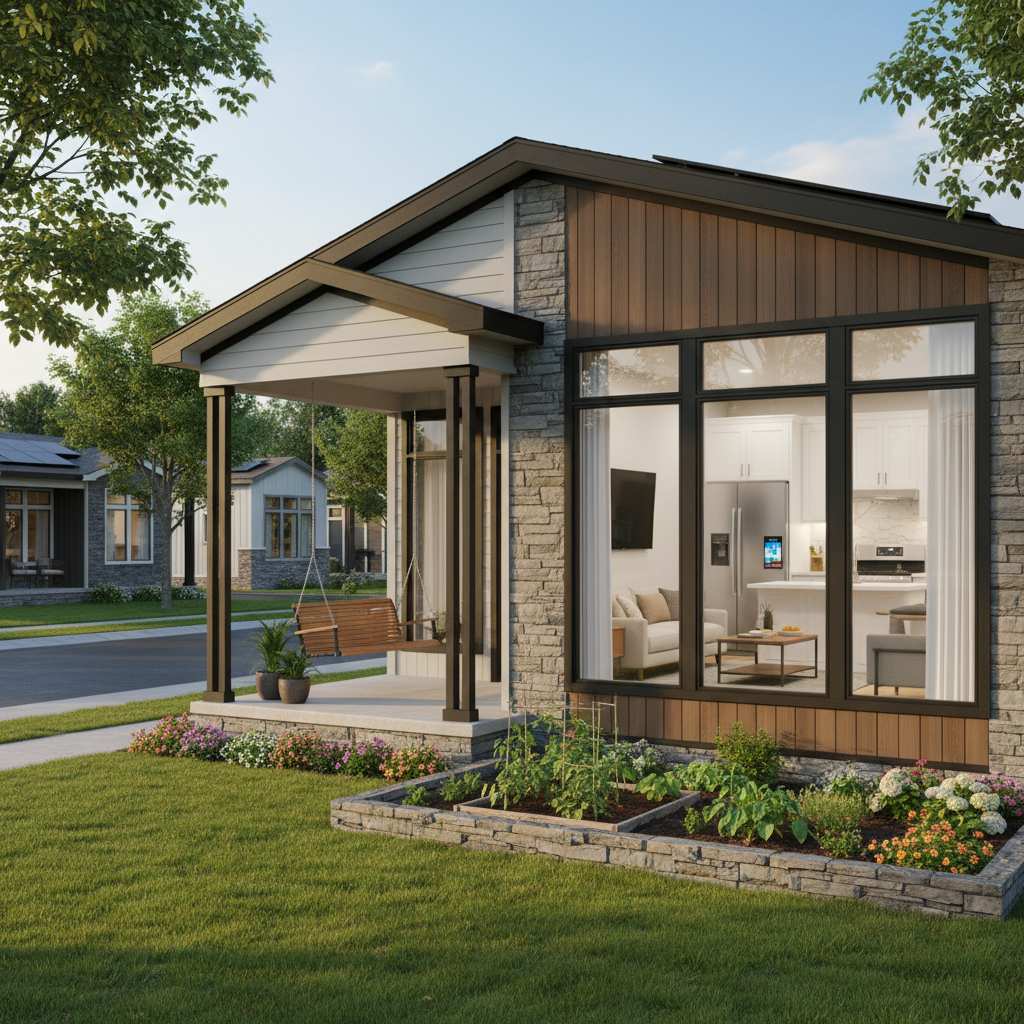
Highlights
- Manufactured homes combine affordability and modern innovations to meet diverse housing needs.
- Ongoing advancements enhance manufactured homes' appeal, helping to combat the housing crisis effectively.
Summary and Defining Characteristics
Practical mobile homes, or manufactured housing, are factory-built dwellings designed for transportability, affordability, and adaptability. Built on trailer chassis with modular components, they comply with federal HUD codes ensuring safety and energy efficiency. Modern manufactured homes incorporate advanced materials and designs, including CrossMod® models that blend manufactured and site-built features with permanent foundations. Despite benefits, challenges like zoning restrictions and social stigma limit their integration into mainstream housing markets. Emphasizing sustainability and customization, they offer cost-effective, resilient housing amid affordability crises.
Manufactured homes are built in factories on trailers, allowing relocation though setup involves complex installation. Modular construction and modern materials enable customization and renovation. Compliance with HUD codes and local permits ensures safety and standards, distinguishing them from modular homes governed by the IRC.
History, Design, and Construction
Mobile homes trace back to early movable structures, with U.S. origins in early 20th-century “house trailers” used as affordable temporary housing. Post-WWII, they evolved substantially, now meeting HUD standards for durability and energy efficiency. CrossMod® homes represent a recent advance, offering traditional home features and value appreciation.
Factory-built modular construction reduces waste and construction time, using advanced materials like composites, recycled steel, and eco-friendly insulation. Energy-efficient features include double- or triple-pane windows, solar panels, and weather-sealed doors. Designs optimize space with open plans and multifunctional furniture, accommodating various family sizes and accessibility needs.
Energy Efficiency and Environmental Impact
Manufactured homes feature advanced insulation, ENERGY STAR appliances, and renewable energy options like solar panels, reducing energy use and carbon footprints. Factory production minimizes material waste and emissions compared to traditional construction. Older models (pre-1980) are less efficient, often leading to higher energy costs for low-income residents. Life cycle assessments confirm manufactured homes typically have lower energy consumption and carbon emissions than conventional housing.
Affordability, Financing, and Mobility
Manufactured homes offer a cost-effective alternative to traditional housing, with shorter construction times and customizable options. Prices are significantly lower, e.g., a 1,600 sq. ft. manufactured home may cost $45,000 versus $125,000 for a site-built equivalent. Financing depends on home classification: those on owned land qualify for conventional mortgages, while those on leased land require chattel loans with higher rates. Additional costs include delivery and community fees.
Designed for mobility, these homes can be relocated using trailer frames and axles, though transport logistics and costs vary by size. Modular construction supports efficient disassembly and reassembly, enhancing flexibility and reducing environmental impact.
Zoning, Regulations, and Social Perceptions
Zoning laws vary, with some areas designating specific mobile home districts or floating zones to facilitate placement. However, many localities restrict manufactured homes, especially single-wide models, due to depreciation concerns. Building codes enforce HUD standards and local permit requirements for safety and compliance. Negative social stigma associates mobile homes with poverty and crime, influencing restrictive land-use policies and limiting community acceptance.
Features, Amenities, and Community Life
Modern manufactured homes include standard utilities and contemporary amenities such as walk-in closets and kitchen islands. Communities often offer shared facilities like pools and fitness centers, providing privacy and outdoor space uncommon in apartments. Customizable designs incorporate multifunctional furniture and accessibility features, enhancing comfort and efficiency. Energy-efficient upgrades reduce utility costs and increase home value.
Role in Affordable Housing and Future Trends
Manufactured homes address the U.S. affordable housing shortage by providing safe, cost-effective options that meet HUD standards. Despite a large existing resident base, production remains low due to stigma and regulatory hurdles. Programs like HUD’s SHOP promote their supply. Incorporating manufactured housing into broader policies can alleviate housing cost burdens for many Americans.
Technological advances improve materials, energy efficiency, and smart home integration. Design trends focus on sustainability, customization, and green building practices, aligning manufactured homes with contemporary environmental and lifestyle demands. These innovations ensure manufactured housing remains a viable, eco-friendly choice for future housing needs.
The content is provided by Sierra Knightley, Scopewires