Highlights
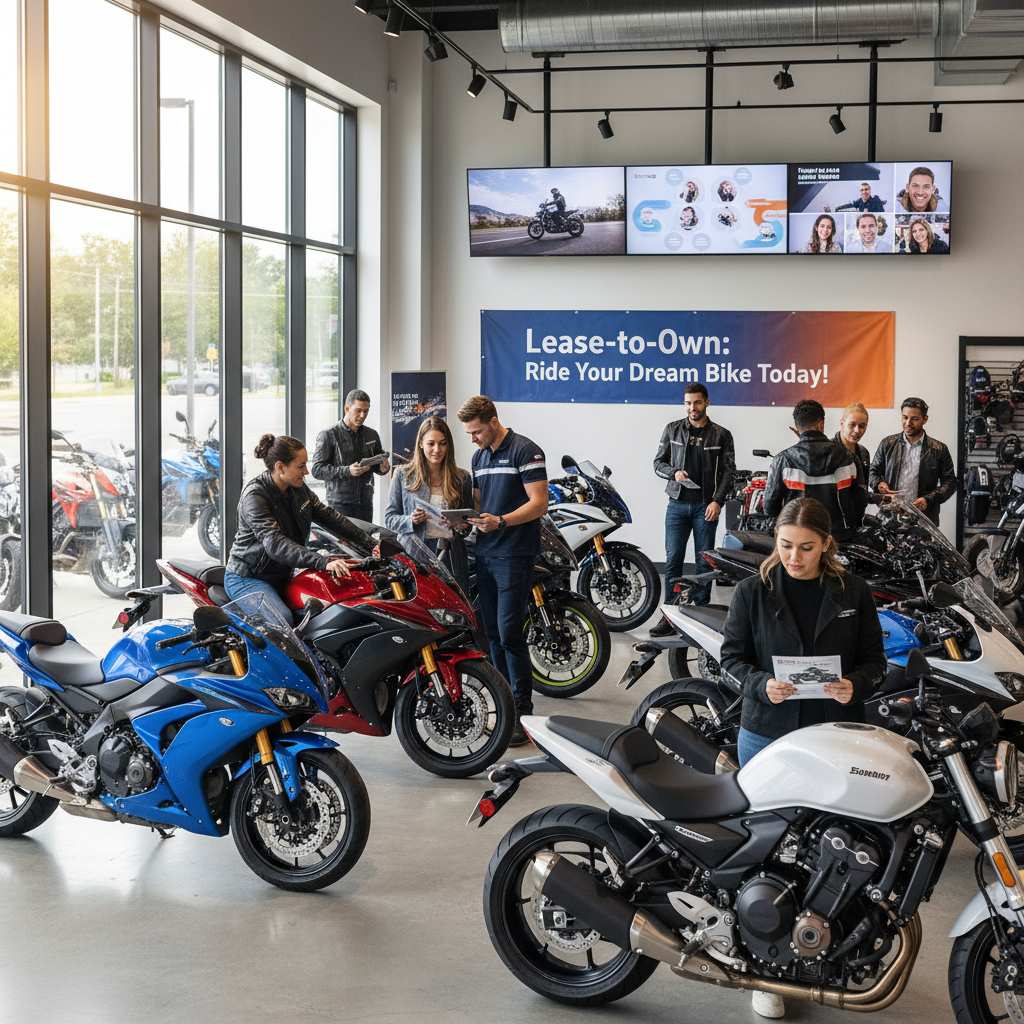
- Lease-to-own motorcycles offer flexible financing and lower upfront costs for riders.
- Carefully review lease terms to avoid unexpected fees and legal consequences in ownership agreements.
Summary and Background
The lease-to-own motorcycle trend combines leasing and purchasing, allowing riders to make monthly payments over 24 to 72 months, with the option to buy the motorcycle at the end for a set fee. This model appeals to those seeking lower upfront costs and flexibility, often including maintenance and warranty coverage. Popular in the U.S. and Europe, it aligns with growing motorcycle tourism, urban commuting, and flexible vehicle access trends, especially among younger riders. Riders can trade in motorcycles during the lease to upgrade models, sustaining industry demand.
However, lease-to-own agreements come with risks such as mileage restrictions, potentially higher total payments than market value, long-term financial commitments, and higher insurance costs. Failure to meet contract terms can lead to repossession or legal issues. Consumers should carefully review contracts to weigh benefits against financial and legal considerations.
How Lease-to-Own Works
Lease-to-own agreements start with a down payment followed by monthly installments based on the motorcycle’s value and lease terms. The lender retains ownership during the lease, and riders may trade in motorcycles to adjust lease balances. Maintenance and warranty coverage often come included, reducing repair expenses. Riders must monitor mileage limits to avoid extra fees, and total payments may exceed the motorcycle’s market value. Lease terms require long-term financial planning.
Advantages and Disadvantages
Benefits include lower upfront costs, included maintenance and warranties, flexibility to upgrade models via trade-ins, and lower credit requirements. Leasing can help build credit and is suitable for those new to motorcycle ownership or seeking short-term use.
Drawbacks include potentially higher total costs than purchasing, mileage restrictions with penalty fees, long-term payment obligations, and higher insurance premiums due to increased risk exposure. Legal risks from missed payments and contract noncompliance also exist, emphasizing the need for clear documentation and understanding lease terms.
Market Impact and Financing Comparison
Lease-to-own programs have expanded with rising motorcycle tourism, urban commuting, and digital rental platforms, especially appealing to younger riders. They offer affordability and flexibility, encouraging frequent upgrades and supporting sustained demand. Sustainability trends also boost electric motorcycle leasing options.
Compared to loans and outright purchases, leasing offers lower monthly payments and easier credit access but does not build equity. Loans provide ownership after payment but usually require higher monthly costs. Riders should compare total costs, credit requirements, and ownership preferences when choosing financing methods.
Legal and Regulatory Considerations
Lease-to-own contracts are governed by consumer protection laws varying by region, ensuring fair terms and enforceability. Riders must comply with licensing and safety regulations; failure can void insurance or incur penalties. Insurance coverage during the lease is mandatory, with lessees responsible for damages. Contracts specify terms like price, payments, mileage limits, and repossession conditions. Thorough review and negotiation of these terms are essential to avoid disputes.
Common Disputes and Rider Experiences
Disputes often arise from unclear contract terms, payment issues, or verbal agreements. Formal documentation and legal advice help resolve conflicts. Riders sharing experiences on platforms like Riders Share highlight benefits such as income opportunities and enjoyment but also caution about understanding contract details and risks to prevent disputes.
Tips for Riders Considering Lease-to-Own
Riders should carefully review lease agreements, negotiate terms, compare offers, and use finance calculators to evaluate costs against traditional financing. Awareness of potential fees, long-term commitments, and maintenance obligations is vital. Maintaining insurance and records protects interests throughout the lease.
The content is provided by Sierra Knightley, Scopewires