Highlights
- Bank-owned cars offer budget-friendly options, often priced lower than traditional dealerships.
- Thorough inspections and vehicle history reports are vital to mitigate potential purchase risks.
Summary of Bank-Owned Cars
Bank-owned cars are repossessed vehicles sold by lenders, often at auctions, to recover unpaid loans. They usually offer lower prices than dealerships and include a variety of models, sometimes with low mileage or accident histories. While attractive for affordability and selection, these cars are sold “as-is” without warranties, posing risks such as hidden mechanical or legal issues. Buyers should understand auction processes, secure inspections, verify titles and liens, and budget for additional costs. Careful bidding and due diligence are essential to avoid overpaying or unexpected problems. Transparency concerns exist, so independent inspections and vehicle history reports are recommended.
Overview and Advantages
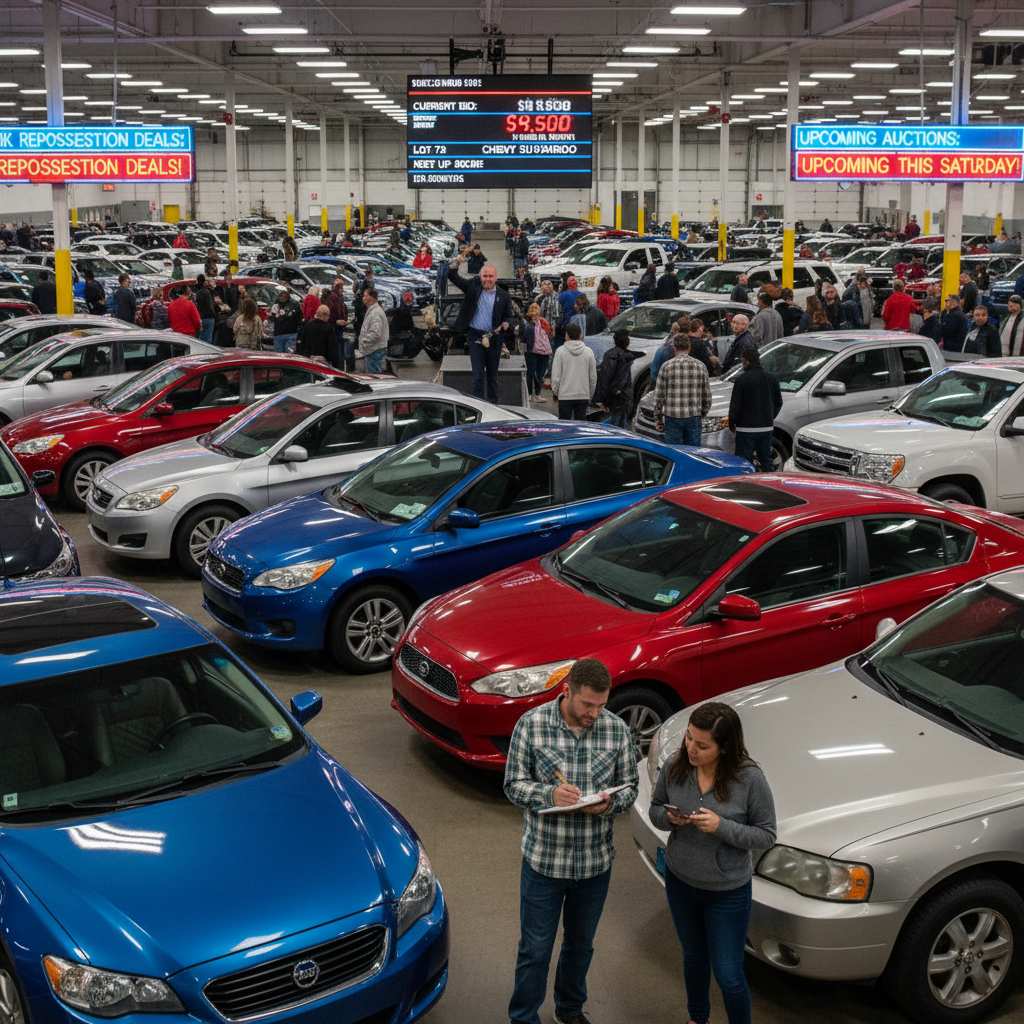
Bank-owned vehicles result from borrower defaults and are sold mainly via public or online auctions. The inventory is diverse, including sedans, SUVs, trucks, and luxury cars, often priced below traditional dealership rates due to banks’ motivation for quick sales. Many are off-lease with low mileage, presenting potential value if properly inspected. Fixed-price sales and auctions are common sale methods, offering buyers options for competitive pricing and varied selection.
Risks and Challenges
These vehicles are sold “as-is” without warranties, often limiting inspections and test drives. Condition reports may omit hidden issues like accidents or mechanical faults. Title and lien complications are possible, requiring verification to avoid legal problems. Buyers also face financial risks related to repossession fees and deficiency balances. Obtaining pre-purchase inspections and vehicle history reports is crucial to mitigate these risks.
Finding and Buying Bank-Owned Cars
Bank-owned cars are found mainly through auction platforms, which vary in rules and fee structures. Popular online sites allow filtering by type, make, and condition. Auctions include repossessed, impounded, salvage, and seized vehicles, attracting diverse buyers. Effective bidding requires researching vehicle values, understanding auction dynamics, and setting strict budgets. After winning a bid, prompt payment and completing title transfers with the DMV are required to finalize ownership.
Inspection and Due Diligence
Thorough inspections by independent mechanics are vital since vehicles are sold without warranties. Inspections should cover mechanical, electronic, and cosmetic conditions, including test drives when possible. Obtaining detailed vehicle history reports helps uncover past accidents or liens. Such due diligence reduces the risk of costly repairs and ownership issues after purchase.
Financing and Payment
Buyers may use direct lending or dealer financing, each with pros and cons. Loan terms vary by credit score, vehicle age, and down payment, affecting monthly payments and total costs. Auctions usually require immediate deposits and full payment within days, with accepted methods including cash, credit, or transfers. Additional fees like taxes, registration, and origination charges should be factored into budgets.
Bidding Strategies and Buyer Tips
Successful bidding involves setting a maximum budget including all costs, using automatic bidding features, and avoiding emotional overspending. Researching vehicle market values and inspecting cars beforehand improves decision-making. Pre-approved financing facilitates smooth transactions. After purchase, promptly completing paperwork and title transfers is essential. Buyers should remain disciplined to avoid common pitfalls such as overbidding and neglecting legal checks.
Common Mistakes to Avoid
Frequent errors include skipping inspections, bidding impulsively without budget limits, failing to verify lien and title status, and misunderstanding payment and transfer procedures. These mistakes can lead to unexpected expenses, legal issues, or losing deposits. Careful preparation, thorough research, and adherence to auction rules greatly increase chances of a successful purchase.
The content is provided by Blake Sterling, Scopewires