Highlights
- Senior cruising is a rapidly growing market, blending leisure and social opportunities effortlessly.
- Cruise lines cater to seniors with accessible amenities and personalized itineraries for enriching travel experiences.
Senior Cruising Market Overview
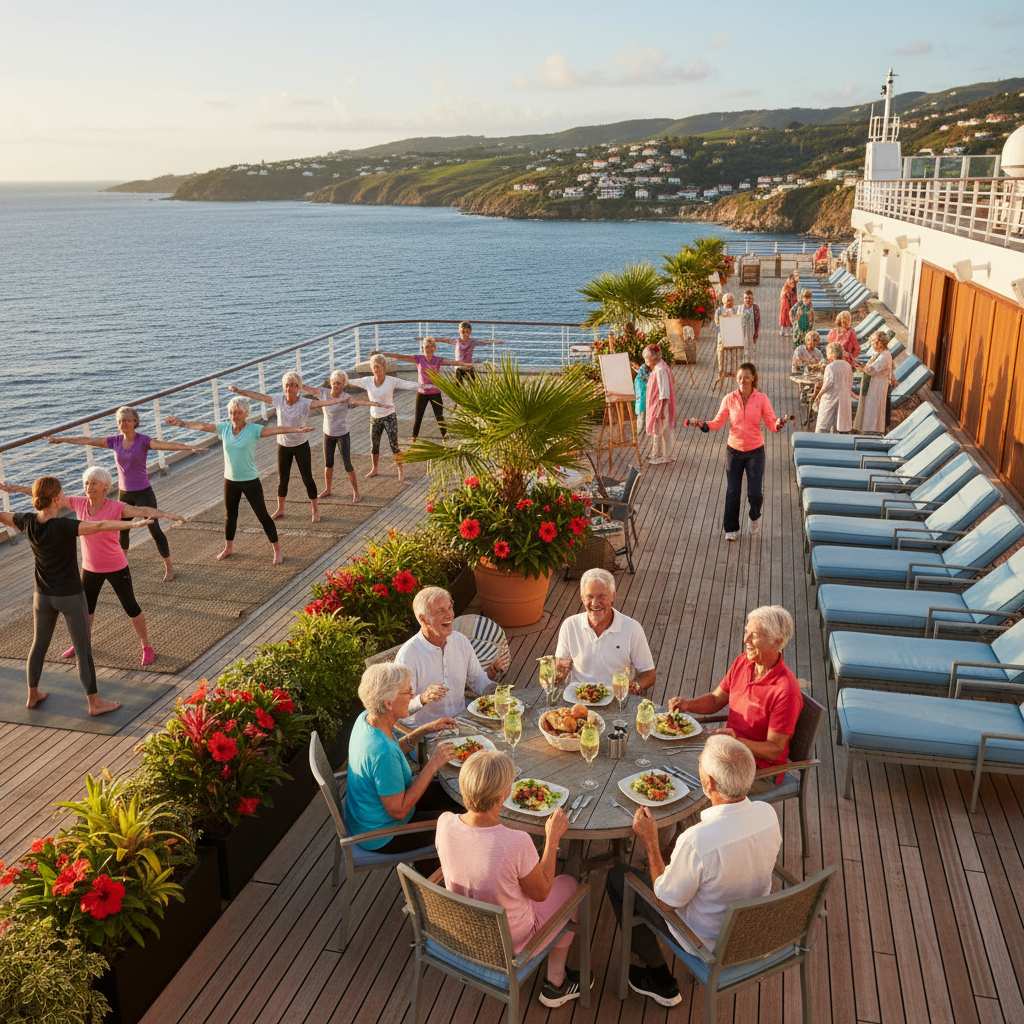
Senior cruising, targeting travelers aged 60 and above, has grown significantly within the travel industry. This demographic values cruises for leisure, social opportunities, and the convenience of exploring multiple destinations. Cruise lines tailor offerings to seniors’ diverse preferences, from active itineraries on large ships to relaxed cultural experiences on smaller vessels. Popular destinations include Alaska, Northern European fjords, and European river routes, emphasizing accessibility and cultural enrichment. Onboard amenities focus on comfort, wellness, and social engagement, while accessibility features accommodate mobility and sensory impairments. Marketing strategies highlight comfort, convenience, and flexible travel timing, with tailored discounts and communications.
Destinations, Cruise Types, and Preferences
Seniors favor cruises combining comfort, accessibility, and cultural enrichment. Alaska and Northern Europe are popular for scenic, low-strain itineraries. River cruises, such as those by Viking, appeal with their intimate settings and central docking locations, minimizing walking. Adults-only and upscale cruises offer refined, slower-paced experiences. Seniors’ cruise preferences range from action-packed mega ships to tranquil river or luxury cruises, with some preferring port-intensive itineraries and others favoring more days at sea for relaxation. Factors influencing choices include itinerary pace, length, accessibility, onboard amenities, destination climate, and booking flexibility.
Onboard Amenities and Accessibility
Cruise lines provide amenities designed for seniors, including wellness classes, educational programs, and entertainment suited to mature passengers. Accessible staterooms feature wider doorways, roll-in showers, grab bars, and proximity to elevators. Medical facilities onboard are well-equipped for emergencies, with pharmacies and wellness centers supporting passenger health. Dining options offer flexibility and cater to dietary needs. Accessibility extends to public spaces and shore excursions, with services like wheelchair rentals, assistive listening devices, and Access Officers ensuring comfort and independence for passengers with mobility or sensory impairments.
Marketing and Travel Behavior
Marketing to seniors focuses on their leisure preferences, companionship opportunities, and comfort, using extensive data to target retirees interested in cruises and related activities. Senior discounts and perks are common but often cannot be combined with other offers. Modern media, including video advertising, enhances engagement. Travel agents assist seniors with personalized advice and booking support. Compared to younger travelers, seniors often take longer cruises during off-peak times, prioritize cultural enrichment and comfort, and seek social interaction onboard. Seniors tend to avoid crowded periods and prefer quieter, more exclusive experiences.
Industry Impact and Challenges
Seniors are a vital cruise segment, influencing ship design, itineraries, and marketing with demands for accessibility and comfort. Their stable budgets support a range of pricing options from affordable to premium experiences. Senior preferences have led to smaller, intimate ships with included shore excursions and longer port stays. Challenges include health preparedness, onboard safety, and environmental concerns. Cruise lines have improved medical protocols and safety measures, while also addressing accessibility needs through specialized accommodations and services. The COVID-19 pandemic significantly affected this market, prompting enhanced health protocols to rebuild traveler confidence.
Future Trends in Senior Cruising
Senior cruising is evolving toward greater personalization, accessibility, and inclusivity. Cruise lines are expanding options from active mega ships to quiet luxury vessels, accommodating diverse senior interests. Enhanced accessibility features, wellness facilities, and pre-cruise planning tools support independence and comfort. Multigenerational cruises are growing, fostering family bonding with activities for all ages. Marketing increasingly highlights unique destinations and cultural excursions. Customization in services, dietary accommodations, and flexible trip options will continue to improve the senior cruising experience, blending comfort, accessibility, and adventure.
The content is provided by Harper Eastwood, Scopewires