Highlights
- Dental implants offer over 90% success rates, enhancing quality of life for patients.
- Advances in materials and technologies are transforming implantology, making options more accessible.
Overview and Definition
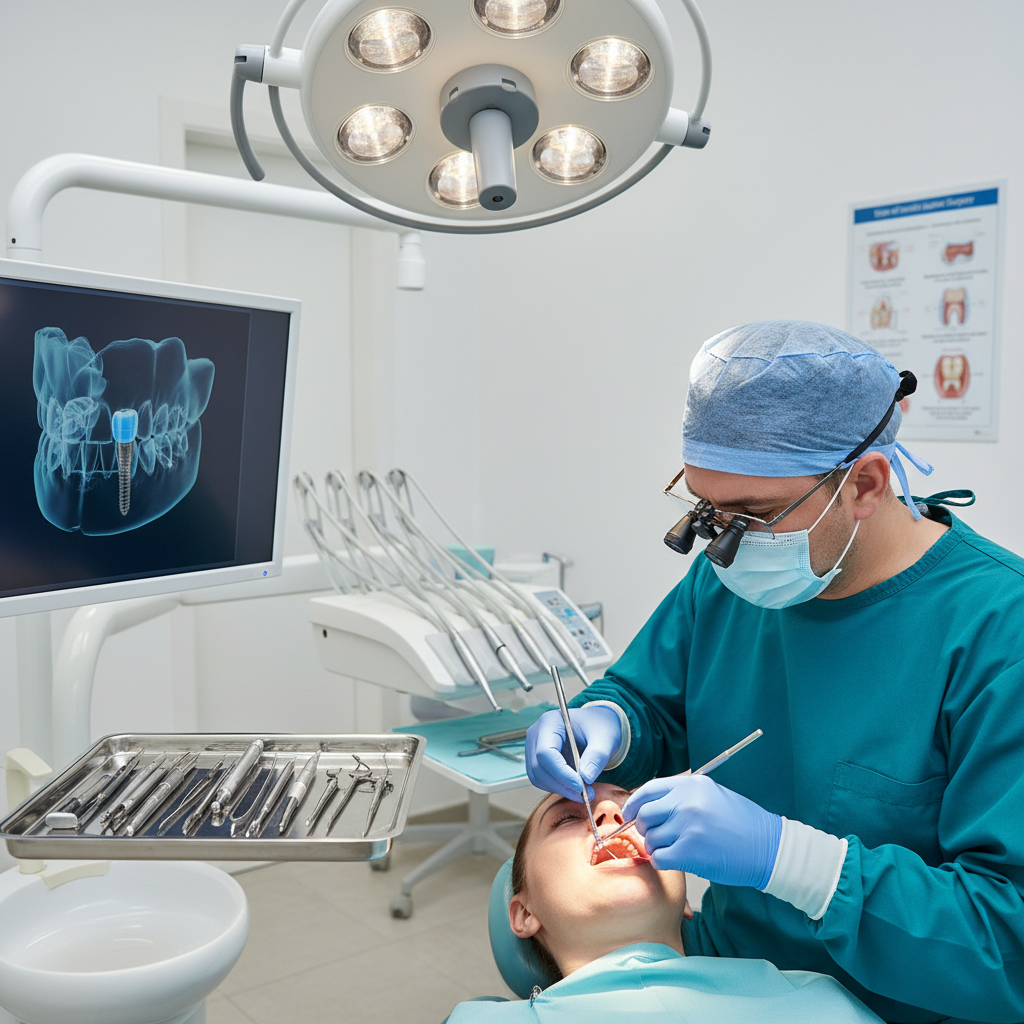
Dental implants are surgically inserted devices in the jawbone that replace missing teeth by mimicking natural roots and supporting crowns, bridges, or dentures. They restore function, aesthetics, and prevent bone loss, boasting success rates above 90–95% over 10 years in healthy patients. Typically composed of titanium, zirconia, or polyetheretherketone (PEEK), implants consist of a post, abutment, and restoration. Immediate tooth replacement after surgery is possible in select cases.
Types and Materials
Implants vary by design and placement: endosteal (most common, placed in jawbone), subperiosteal (rest on jawbone for insufficient bone), zygomatic (anchored in cheekbone for severe bone loss), mini (smaller and less invasive), full arch (support entire dental arches), and zirconia (ceramic, metal-free alternative). Titanium remains the gold standard for strength and osseointegration, while PEEK offers metal-free options despite lower bioactivity. Nanomaterial coatings and 3D printing enhance integration and customization.
Clinical Procedure and Recovery
The implant process involves preoperative assessment, surgical placement under local anesthesia, osseointegration over several months, and final restoration attachment. Healing includes bone integration and soft tissue sealing to prevent infection. Postoperative care involves avoiding disturbance of the site, pain management, and regular follow-ups. Implants can last 10–30 years with proper maintenance.
Benefits and Risks
Dental implants improve oral function, speech, and aesthetics while preventing bone loss, leading to high patient satisfaction and quality of life improvements. Complications are rare but can include infection, implant failure, and nerve irritation. Risk factors include smoking, poor bone quality, and systemic health conditions. Proper planning and aftercare minimize these risks.
Innovations and Trends
Advances in 2026 include widespread use of 3D printing for patient-specific implants, improved biomaterials like modified PEEK, and nanocoatings that enhance osseointegration and provide antibacterial effects. Enhanced biomechanical treatment planning and restorative materials mimicking natural teeth improve outcomes. These developments make implants more accessible, affordable, and reliable.
Comparison and Financial Considerations
Compared to dentures and bridges, implants offer a permanent solution that preserves jawbone and facial structure. Techniques like All-on-4 provide stable full-arch restorations. However, implants involve surgery and higher costs, ranging from $3,000 to over $4,500 per tooth in 2026. Insurance coverage varies, and financial plans are often necessary. Additional procedures like bone grafts may increase costs.
Research and Patient Outcomes
Long-term studies confirm implant success rates above 90% over 10 years, influenced by hygiene, smoking, and health status. Research on materials like PEEK shows promise with nanoscale modifications improving bioactivity. Patient-reported outcomes demonstrate significant satisfaction in function and aesthetics. Ongoing studies focus on failure mechanisms and improving implant longevity through material and procedural innovations.
The content is provided by Sierra Knightley, Scopewires