Highlights
- Nurse volunteering abroad enhances clinical skills and cultural competence while aiding underserved communities.
- Engaging in international service fosters adaptability and ethical healthcare practices essential for global impact.
Summary
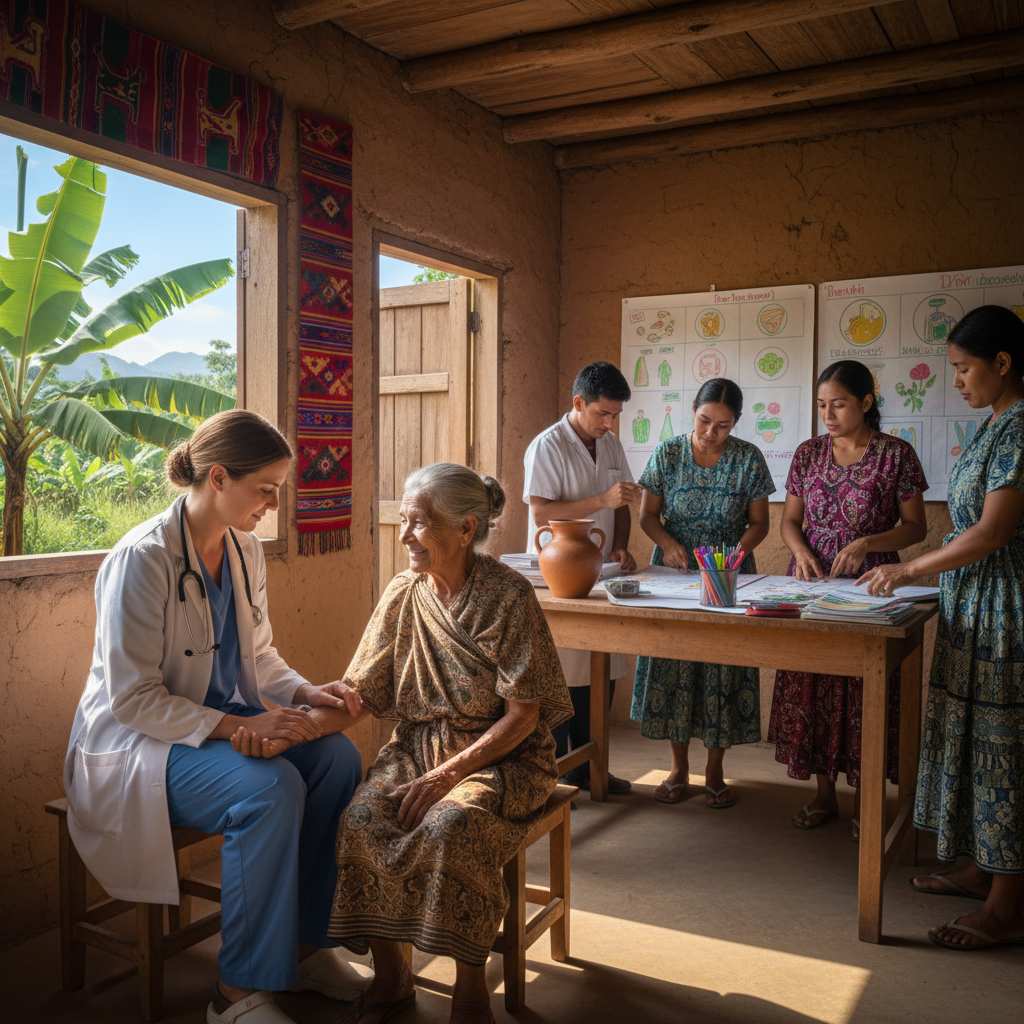
Nurse volunteering abroad is a form of international service in which nurses and nursing students contribute their skills to healthcare settings, often in under-resourced communities across the globe. This experience offers significant opportunities for professional development, allowing volunteers to apply theoretical knowledge in diverse clinical environments while enhancing practical skills, cultural competence, and global health understanding. Programs typically provide structured support—including orientation, accommodation, and in-country assistance—to enable volunteers to engage effectively in various healthcare roles, from direct patient care to community health education.
The practice of nurse volunteering abroad is notable for its dual impact: it benefits the volunteers by fostering adaptability, intercultural communication, and clinical confidence, while simultaneously supporting local healthcare systems facing staff shortages and resource constraints. Volunteers often work alongside local professionals to strengthen healthcare capacity and promote sustainable health improvements, emphasizing ethical engagement and respect for host communities. However, challenges such as language barriers, cultural differences, limited medical supplies, and health risks require volunteers to demonstrate resilience and cultural humility.
Ethical considerations are central to nurse volunteering abroad, with professional guidelines advocating for socially responsible and sustainable approaches that avoid perpetuating dependency or undermining local healthcare infrastructures. Partnerships between volunteer organizations, educational institutions, and host communities are critical to ensuring meaningful and lasting contributions, as well as preparing nurses for the complexities of global health environments. Despite these challenges, nurse volunteering abroad remains a valued avenue for enhancing global health equity and enriching nursing practice worldwide.
Overview of Nurse Volunteering Abroad
Volunteering abroad as a nurse provides a valuable opportunity for both personal growth and professional development. It enables nurses and healthcare students to apply their theoretical knowledge in diverse real-world healthcare settings, which enhances practical skills and builds confidence. Engaging in international volunteer programs allows participants to gain firsthand experience in various clinical environments, such as outpatient departments, pediatrics, chemotherapy, radiotherapy, imaging, pathology, and general nursing services, often in under-resourced communities.
One of the key benefits of nurse volunteering abroad is the exposure to global health issues and different healthcare systems. Volunteers often work alongside local professionals, gaining cultural competency and a deeper understanding of health challenges in developing countries. This experience fosters intercultural communication skills and highlights the importance of language proficiency, which can be crucial depending on the destination and the languages spoken by patients and healthcare teams.
Programs are typically structured to support volunteers through comprehensive orientation, accommodation, meals, and 24/7 in-country assistance, making it easier for participants to focus on their roles and learning. Volunteer durations commonly range from two weeks to several months, offering flexibility to fit various schedules and commitments. Many organizations also emphasize ethical engagement and the importance of making a meaningful impact, providing opportunities to contribute under expert guidance while ensuring respect for local communities.
Eligibility and Application Process
Volunteer eligibility for nurse volunteering abroad programs varies depending on the specific program and location but generally includes requirements related to age, education, professional status, and skills. Most programs require participants to be at least 18 years old, with some initiatives accommodating younger volunteers, such as summer programs for teens aged 14 to 17 who meet vaccination and interview criteria.
Applicants are typically expected to be nursing students, pre-nursing students, qualified nurses, or licensed medical professionals. Certain programs specify the need for an active nursing license and professional experience, although some may also welcome newly qualified nurses or nursing students, provided they meet the program’s expectations. Additionally, intermediate language skills relevant to the destination country, such as Spanish for some Latin American placements, may be required.
Before beginning the clearance process, volunteers should review eligibility requirements carefully, which often include the discretion of inviting departments or health volunteer offices managing the programs. Programs may involve participation in non-clinical research, laboratory projects, administrative tasks, or direct clinical observation and assistance under supervision.
The application process generally involves submission of proof of qualifications, adherence to health and vaccination protocols, and sometimes interviews to assess candidates’ readiness and fit for the program. Orientation or onboarding sessions are frequently provided to familiarize volunteers with local healthcare systems, customs, and professional codes of conduct.
Volunteers may be placed in diverse healthcare settings such as maternity wards (often restricted to female volunteers), pediatrics, emergency departments, diabetes and HIV prevention units, nursing, and hospital administration. Depending on training and department, volunteer tasks can range from observational learning and assisting with basic patient care to administrative duties like statistics and accountancy.
Training and Orientation
Nurse volunteering abroad typically involves comprehensive training and orientation programs designed to prepare participants for the unique challenges they will face. These programs often begin with project-specific training that covers the local healthcare system, cultural customs, and professional codes of conduct relevant to the host country. For example, volunteers may receive instruction on the medical industry of the destination, which helps them gain insight into local healthcare practices and expectations before beginning clinical or administrative duties.
Orientation sessions usually include logistical support such as airport pick-up arrangements, accommodation details, meal planning, and 24/7 in-country assistance to ensure volunteers are well-supported throughout their experience. This structured preparation allows volunteers to acclimate to new environments, reducing stress and enabling them to focus on their roles effectively.
Many programs also require language proficiency, such as intermediate Spanish, and specific educational or professional qualifications, including enrollment in pre-med, medical, or nursing programs or holding a medical license. In some cases, additional requirements like vaccination and interviews ensure volunteers are fit for participation, as seen in youth-oriented programs targeting high school students interested in healthcare careers.
The training emphasizes flexibility and adaptability, preparing volunteers to work alongside local healthcare staff under resource-limited conditions and navigate language barriers. Furthermore, volunteers are introduced to the ethical considerations and legal guidelines relevant to international healthcare volunteering, fostering intercultural competence and professional responsibility.
Roles and Responsibilities of Nurse Volunteers
Nurse volunteers abroad play a crucial role in delivering healthcare services in resource-limited settings by supporting both acute medical and community health needs. Their clinical duties typically include providing basic medical care, assisting in minor surgeries, administering vaccinations, treating common illnesses and injuries, triaging patients, taking vital signs, dressing wounds, and performing wellness checks. They often work alongside local healthcare staff, helping to manage patient loads and fill gaps in care where resources are scarce.
In many programs, nurse volunteers engage in clinical supervision and education, contributing to the professional development of local nursing staff to ensure sustainable healthcare delivery. This mentorship role includes teaching clinical skills, promoting best practices, and fostering mutual learning opportunities with nurse educators in the host communities.
Beyond direct patient care, nurse volunteers participate in community health education initiatives aimed at promoting wellness and disease prevention. These educational efforts help empower communities to better manage their health and reduce the burden on clinical services.
Volunteer roles also extend to various support functions within clinical settings, including pharmacy assistance, laboratory work, wound care, and triage. Flexibility and adaptability are essential, as volunteers often encounter medical conditions and healthcare environments different from those in their home countries, such as treating tropical diseases and uncommon injuries like insect or snake bites.
To maximize their impact, nurse volunteers are encouraged to approach their work with cultural humility, social responsibility, and in partnership with local communities to ensure that their efforts are sustainable and empowering. Reflection and debriefing are often integrated into volunteer programs to help nurses critically appraise their experiences and enhance personal and professional growth.
Benefits of Nurse Volunteering Abroad
Volunteering abroad as a nurse offers a multitude of benefits that extend beyond immediate clinical care, impacting both the volunteer and the communities they serve. One of the primary advantages is the opportunity for significant professional growth. Working in diverse, often resource-limited healthcare settings challenges nurses to develop adaptability, problem-solving skills, and creativity in managing unfamiliar medical conditions and large patient loads. This hands-on experience in various cultural and clinical environments enhances medical knowledge and builds confidence, contributing to a nurse’s overall professional development.
In addition to clinical skills, nurse volunteers gain invaluable intercultural competence by engaging with different cultures and communities. This exposure fosters greater cultural sensitivity and the ability to communicate effectively despite language barriers or cultural differences. Preparing for culture shock and understanding local customs and laws are integral to this learning process, which ultimately enriches the volunteer’s personal and professional perspective.
Beyond individual benefits, nurse volunteers play a critical role in strengthening healthcare systems in underserved regions. They often collaborate with local healthcare workers to build trust within communities and support sustainable improvements in healthcare delivery. By providing services such as triage, pharmacy, lab work, wound care, and wellness checks, nurse volunteers help address immediate health needs while contributing to longer-term community health outcomes.
Volunteering abroad also offers nurses a unique chance to broaden their global network, connecting with other healthcare professionals and gaining insight into global health challenges. This expanded understanding can inspire a renewed sense of mission and purpose, motivating sustained engagement in volunteerism and community health promotion. Given that nurses constitute the largest segment of the global healthcare workforce and are among the most trusted professions, their participation in volunteer programs is vital for advancing health equity worldwide.
Ultimately, nurse volunteering abroad is a rewarding experience that combines personal fulfillment with meaningful contributions to global health, fostering both compassion and competence in healthcare professionals.
Challenges Faced by Nurse Volunteers
Nurse volunteers working abroad encounter a variety of challenges that test their adaptability, resilience, and professional skills. One of the most common difficulties is managing language barriers, which can impede effective communication with patients and local healthcare professionals. While fluency is not always required, having at least basic proficiency in the local language or a widely spoken international language is often necessary to provide quality care and build trust.
Another significant challenge is adapting to resource-limited environments where shortages of medical supplies and equipment are frequent. Volunteers must often work creatively and efficiently under these conditions, which differ greatly from the more well-equipped settings they may be accustomed to. In addition, the variety of roles nurse volunteers fill—from triage and wound care to pharmacy and laboratory assistance—requires flexibility and a broad skill set to meet diverse patient needs.
Cultural differences also present challenges, including the risk of culture shock, which can provoke feelings of helplessness or being overwhelmed. Understanding local customs, laws, and social norms is essential to effectively integrate and provide culturally sensitive care. Preparation for these cultural adjustments should be part of the volunteer’s pre-departure training to minimize misunderstandings and emotional stress.
Volunteering abroad can also impose unique health risks. Unlike regular travelers, nurse volunteers must consider exposure to different health hazards related to altered living conditions, less accessible medical care, and the nature of their work, such as increased risk of injury or infection in emergency or disaster zones.
Finally, logistical and organizational challenges, such as identifying suitable projects and securing funding, require considerable commitment and insight. Effective planning is crucial for ensuring that volunteer efforts have a sustainable and meaningful impact, which goes beyond simply traveling abroad to provide short-term assistance.
Impact on Local Healthcare Systems
Volunteering abroad as a nurse significantly influences local healthcare systems, often in ways that extend beyond immediate clinical care. One of the primary impacts is the strengthening of healthcare infrastructure through collaboration with local staff and other international volunteers. This partnership fosters the development of sustainable healthcare practices by building the skills and confidence of local healthcare workers, thereby enhancing the capacity of the system to serve the community long after volunteers depart.
Nurse volunteers contribute to addressing shortages in understaffed clinics and hospitals by assisting with essential medical tasks such as triage, wound care, pharmacy duties, and wellness checks. These efforts help alleviate the burden on local healthcare providers and improve patient care quality in resource-limited settings. Furthermore, volunteers often bring unique expertise and adaptability to environments where medical technology may be scarce or outdated, providing vital support that local systems might otherwise lack.
Beyond clinical support, nurses help foster trust within communities by working closely with local healthcare workers and residents. This relationship-building is crucial for the long-term success of health initiatives, as it encourages community engagement and adherence to preventive and acute care measures. Volunteers also introduce new perspectives and practices that can lead to improved healthcare delivery models adapted to local cultural and economic contexts.
Ethical Considerations
Nurse volunteering abroad encompasses important ethical responsibilities to ensure that efforts are socially responsible, culturally humble, and sustainable. Volunteer activities should be carefully planned in collaboration and partnership with host communities to empower both volunteers and locals, thereby fostering mutual respect and long-term benefits. The American Nurses Association (ANA) supports short-term volunteer activities as a valid response to global healthcare disparities, provided that these activities align with professional ethical standards, including the ANA Code of Ethics for Nurses (2015) and the International Council of Nurses (ICN) Code of Ethics for Nurses (2012).
Volunteers must recognize that their work is not a vacation but a commitment requiring time, financial resources, and emotional resilience to face challenges such as limited resources, language barriers, and difficult living conditions. It is essential that nursing volunteers approach their roles with cultural humility, respecting local customs and healthcare practices while contributing their expertise in a manner that supports rather than undermines existing healthcare systems.
Ethical volunteerism also involves awareness of the potential impact on host communities at multiple levels—from individuals and local healthcare workers to broader societal systems. Nurses have the responsibility to avoid perpetuating dependency or inequities and instead focus on sustainable improvements that strengthen healthcare delivery and build trust within communities. Understanding and adhering to legal and ethical guidelines, such as those outlined by international organizations like the International Committee of the Red Cross and Red Crescent Societies, further reinforces the ethical foundation of nursing volunteer work abroad.
Ultimately, the ethics of nurse volunteering abroad call for ongoing reflection on motives, roles, and outcomes, ensuring that volunteerism contributes positively to global health while honoring the dignity and autonomy of those served.
Strategies for Sustainability
Sustaining nurse volunteering efforts abroad requires a multifaceted approach centered on social responsibility, cultural humility, and strong partnerships with host communities. Volunteer programs must be carefully planned and implemented in collaboration with local stakeholders to ensure that initiatives are mutually empowering and culturally appropriate, thereby fostering long-term benefits for the communities served. Understanding local culture, laws, and environments is essential preparation for volunteers to minimize culture shock and communication barriers that can hinder effective service delivery.
Effective sustainability strategies also involve identifying and establishing pathways for raising and distributing funds, which demands commitment, energy, and insight beyond the logistics of sending volunteers overseas. Partnerships with local healthcare institutions are critical not only for the educational development of volunteers but also to support the maintenance of adequate healthcare staffing in the host region. These collaborations enhance the capacity of local services and provide continuity that extends beyond the immediate volunteer engagement.
Moreover, sustainable volunteer programs emphasize the importance of ongoing engagement by fostering a sense of mission and purpose among volunteers, which can motivate continued contributions over time. Facilitating connections between international volunteers and local healthcare professionals promotes knowledge exchange and can lead to future partnerships, thereby amplifying the impact of volunteer efforts. Overall, integrating cultural competence, ethical practices, and strategic collaboration ensures that nurse volunteering abroad is both impactful and sustainable in addressing global health needs.
Organizations Facilitating Nurse Volunteering Abroad
Several organizations play a crucial role in connecting nurses with volunteer opportunities abroad, providing support ranging from placement services to logistical assistance such as housing and visa facilitation. These organizations cater to a broad spectrum of volunteers, including nursing students, newly licensed nurses, and experienced professionals.
African Impact is an example of an organization that collaborates closely with local
Case Studies and Personal Experiences
Nurse volunteering abroad offers a diverse range of experiences, often shaped by the location, healthcare setting, and the volunteer’s background. For example, volunteers with prior healthcare experience, but not currently enrolled in formal medical education, can observe hospital wards and units in developing countries like Sri Lanka, gaining valuable insights into local healthcare systems and customs while interacting with local medical professionals. Such placements often provide accommodations near the healthcare facilities, allowing volunteers to immerse themselves in the local culture during their downtime.
Many volunteers report encountering medical conditions rare in their home countries, such as illnesses and injuries uncommon in the U.S.. This exposure broadens their clinical understanding and underscores the critical role of preventive and acute care in global health. Nurses have also described the humbling nature of working in international hospitals where technology may be limited, requiring adaptability and resourcefulness. These challenges enhance problem-solving skills and build confidence in managing diverse patient loads and unfamiliar diseases.
Beyond clinical skills, volunteers frequently emphasize the cultural and personal growth aspects of their experiences. Immersion in different healthcare environments fosters a greater awareness of global health disparities and nurtures cultural humility. Volunteers often reflect on the importance of social responsibility and sustainable partnerships with host communities, ensuring that their efforts are mutually empowering and ethically grounded. Many programs encourage critical reflection and dialogue among participants to deepen their understanding of these complex issues.
The scope of nursing volunteer work abroad ranges from intensive hands-on care in large urban hospitals to observation and education roles in rural clinics. The tasks undertaken depend heavily on the volunteer’s skill level and the community’s needs, with opportunities available for professional nurses, nursing students, and even those without a healthcare background who seek to support or learn more about the field. Personal narratives often highlight the unique learning opportunities created by working alongside international healthcare professionals, fostering global connections and mutual learning.
The content is provided by Harper Eastwood, Scopewires