Highlights
- The U.S. imposes 25% tariffs on countries trading with Iran to amplify economic pressure.
- Critics question the legality of tariffs under existing laws, sparking international controversy.
Summary of U.S. Tariffs on Countries Trading with Iran
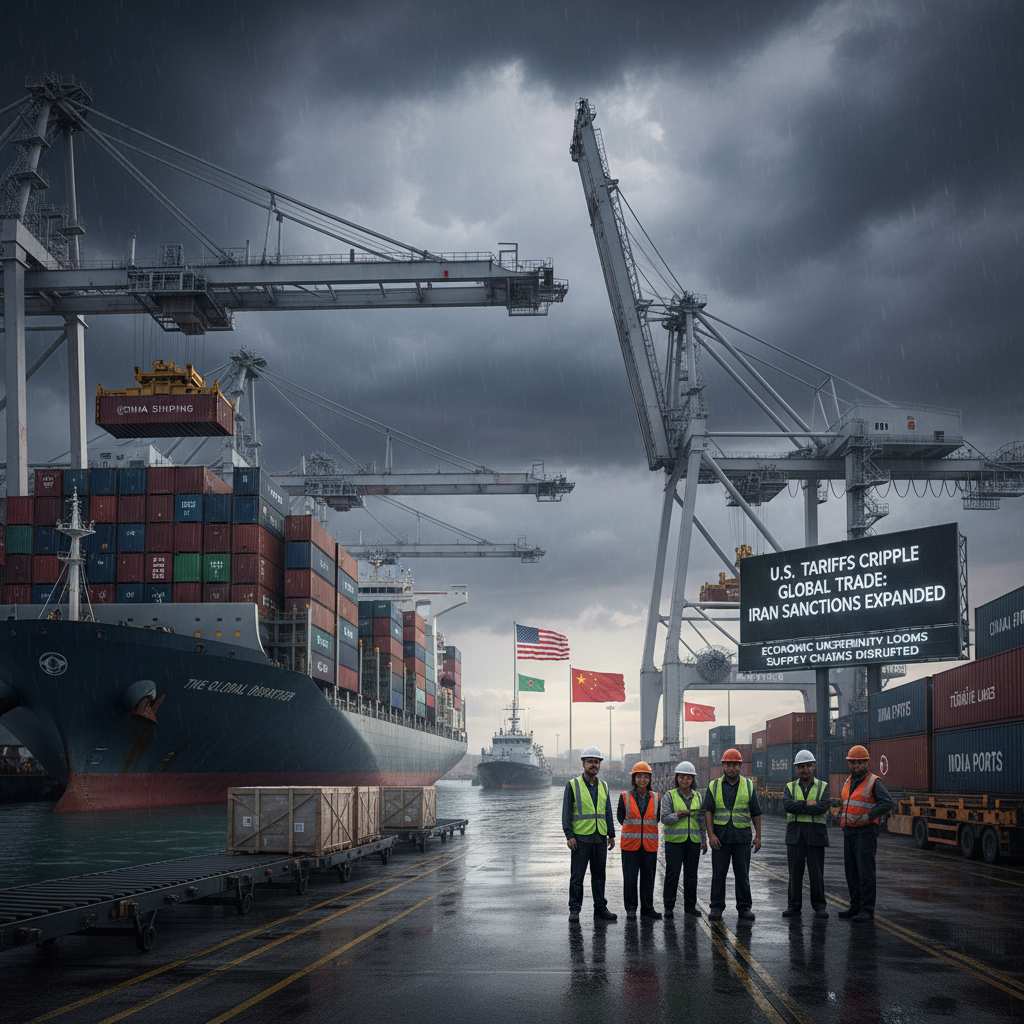
In 2026, the U.S. implemented a 25% tariff on goods imported from countries trading with Iran, marking a significant escalation in its economic strategy against Tehran. This tariff targets not only Iran directly but also its trading partners, primarily aiming to diminish Iran’s access to international markets. Major trading nations like China, which accounted for a significant portion of Iran’s oil exports, are central to this strategy to intensify economic pressure amid Iran’s domestic unrest.
Understanding the Tariff Policy
The tariffs were triggered by a U.S. focus on discouraging trade that finances Iran’s regional influence and nuclear ambitions. By penalizing third-party nations that trade with Iran, the intention is to constrict Iran’s economic interactions, thereby impacting its revenue streams. This marks a strategic shift from direct sanctions on Iran to broader secondary sanctions affecting its partners, raising concerns about the enforceability and implications of such measures.
Implementation and Legal Context
President Donald Trump authorized these tariffs through an executive order in February 2026, but the legal framework remains ambiguous, as no formal documentation was released at the time. Despite existing legal challenges regarding the authority of these tariffs, they are positioned as “effective immediately” by the administration, indicating a push for swift implementation without clear legal backing.
International Responses and Dynamics
China and other major trading partners have openly criticized the tariffs, warning that such unilateral measures are detrimental to global trade. With extensive trade relations with Iran, countries like China and the UAE face economic dilemmas between maintaining their ties with Iran and the risks posed by U.S. tariffs. This backdrop raises questions about the potential for retaliatory responses and the overall efficacy of the U.S. strategy.
Economic Impacts and Projections
Steering towards indirect pressure on Iran, the tariffs threaten significant economic ramifications not only for Iran but also for its trading partners. The U.S. economy is expected to experience slowed growth in trade due to these tariffs, potentially leading to inflationary pressures. Conversely, analysts suggest that Iran may face even greater economic challenges due to existing sanctions and declining oil sales.
Future Considerations
The long-term efficacy of the tariffs will depend on the U.S. administration’s ability to enforce them amid Iran’s complex trade networks and alternative currency strategies. Additionally, evolving geopolitical circumstances may prompt adjustments to the tariff policy as the U.S. navigates its relationships with affected countries and considers its broader foreign policy goals regarding Iran.
The content is provided by Avery Redwood, Scopewires