Highlights
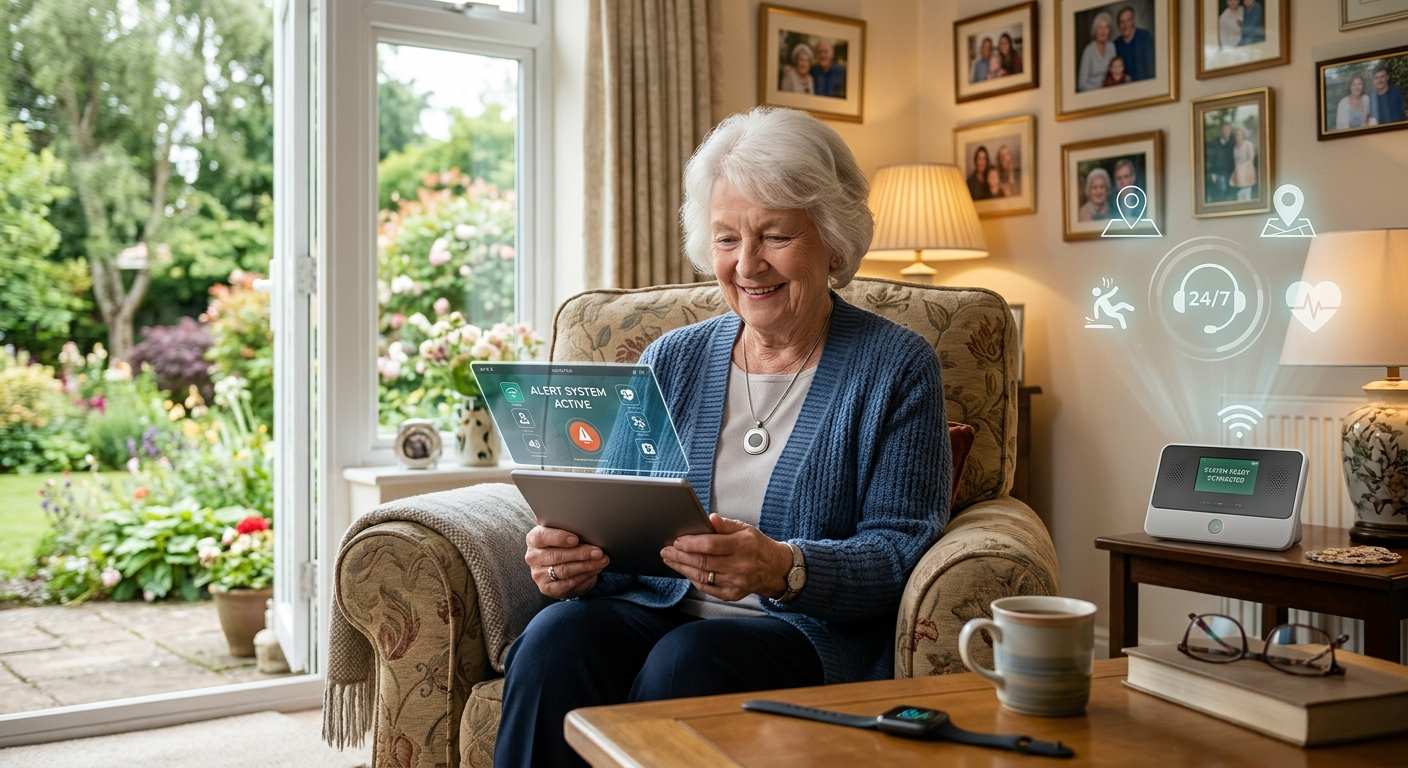
- Medical alert systems enhance senior safety and independence with 24/7 emergency support.
- Innovative features like fall detection and telehealth integration optimize care for aging populations.
Summary
Medical alert systems are essential for seniors, providing immediate access to emergency assistance and promoting independence. They typically include wearable help buttons that connect to 24/7 monitoring centers, enabling quick dispatch of emergency responders. Options like automatic fall detection and GPS tracking cater to various mobility levels, ensuring safety at home and on the go.
Types of Medical Alert Systems
Understanding the different types of medical alert systems is crucial for making an informed choice. The main categories include in-home, mobile, and wearable devices, each designed to address diverse lifestyles and safety needs.
In-Home Medical Alert Systems
In-home systems feature a base station connected through phone lines or cellular networks, paired with a wearable help button. They provide reliable emergency access within a limited range, ideal for seniors who spend most of their time at home. The simplicity of these devices allows users to get help without needing to carry additional gadgets.
Mobile Medical Alert Systems
Designed for more active seniors, mobile systems use cellular networks and GPS technology for location tracking. They offer protection outside the home, enabling users to seek help wherever they go. Compact and portable, they allow seniors to maintain security during errands and outings while potentially including two-way communication functionality.
Wearable Medical Alert Devices
Wearable devices provide discreet safety solutions and often incorporate features like fitness tracking and fall detection. These gadgets ensure immediate access to emergency assistance without requiring a separate base unit, appealing to seniors seeking unobtrusive protection. The convenience of a wearable form factor enhances peace of mind for both users and their caregivers.
Monitoring Options
Choosing between professionally monitored and unmonitored systems is essential. Professionally monitored systems, while incurring monthly fees ranging from $20 to $50, ensure immediate help through trained operators. Unmonitored systems may save on costs but require users to depend on personal contacts for emergencies, which can be a significant drawback based on individual needs.
Medical Alert Devices
Medical alert devices are crafted to provide immediate emergency access. The primary devices include wearables like pendants, wristbands, and smartwatches, often accompanied by wall-mounted buttons for strategic home placement. Functionality and reliability are crucial when evaluating these options for personal safety.
Types and Features
The effectiveness of each device type—wearable buttons, in-home base units, mobile systems, and smartwatches—varies based on features. Wearable buttons are user-friendly, often waterproof, and allow seniors to seek help without needing to reach a phone. Consideration of battery life and reliability is critical, especially for mobile units that require regular charging.
Additional Functionalities
Modern systems integrate automatic fall detection technology and caregiver apps that provide status updates and alerts, enhancing safety and communication. Battery life is a key consideration, with certain options offering extended periods between charges, which can significantly benefit users frequently on the move.
Cost Considerations
Cost varies widely among providers, often including equipment fees and monthly monitoring costs. Some systems are available with no monthly fees but generally lack professional monitoring, which many users prioritize. Evaluating whether the features justify the expense is vital, especially for seniors on fixed incomes.
Features and Technologies
Innovations in medical alert systems enhance both user safety and caregiver support. Key features include automatic fall detection, accurate GPS tracking, and two-way communication with monitoring centers. These advancements are significant in preventing injuries and ensuring timely responses during emergencies.
Integration with Telehealth
Medical alert systems are increasingly integrated with telehealth technologies, improving health management and emergency response. Continuous monitoring of vital health metrics allows for timely interventions, further ensuring the safety of seniors. This comprehensive integration of services fosters better care coordination and patient support.
Benefits of Medical Alert Systems
These systems enable seniors to maintain independence while ensuring prompt emergency access. The confidence of immediate assistance reassures both users and their caregivers, significantly enhancing quality of life. Features like GPS tracking provide additional safety for those with cognitive impairments, balancing independence with necessary precautions.
Considerations When Choosing a Medical Alert System
When selecting a medical alert system, several critical factors should be assessed to meet individual needs effectively. Key features, including emergency connectivity, fall detection, and two-way communication options, are vital for optimal safety. Evaluating lifestyle compatibility with in-home versus mobile systems plays an essential role in decision-making.
Usability and Support
Ease of use is paramount, especially for seniors who may not be tech-savvy. Intuitive interfaces and accessible customer support contribute significantly to a positive user experience. Regular feedback on device performance and responsiveness is crucial for maintaining confidence in the system.
Communication and Caregiver Coordination
Medical alert systems facilitate enhanced communication among seniors, caregivers, and emergency responders. Real-time alerts and device status updates empower caregivers to monitor their loved ones more effectively while reducing the need for frequent check-ins. Mobile systems with GPS tracking offer vital location information that enhances response capabilities.
Challenges and Limitations
While beneficial, medical alert systems face challenges like inconsistent performance and privacy concerns. Wireless connectivity and potential false alarms can hinder reliability, making it essential to choose devices with proven track records. Users should also be aware of ongoing costs, which can impact long-term affordability.
Popular Brands and Providers
Identifying reliable brands when considering medical alert systems is essential. Well-regarded providers like MobileHelp and Lively consistently receive positive feedback based on usability and affordability, catering to diverse senior needs. Evaluating costs and features ensures clients select the best match for safety and independence.
Future Trends and Innovations
Medical alert systems are evolving rapidly, integrating advanced technologies that enhance their utility. Trends like fall detection and telehealth integration promise improved user experiences. As the industry adapts, systems are becoming more responsive and user-friendly, supporting seniors’ independence and safety in every environment.
The content is provided by Harper Eastwood, Scopewires