Highlights
- Assisted living promotes independence for seniors through personalized support and essential services.
- Understanding costs and payment options is crucial for navigating assisted living affordability challenges.
Summary of Assisted Living Facilities and Costs in 2026
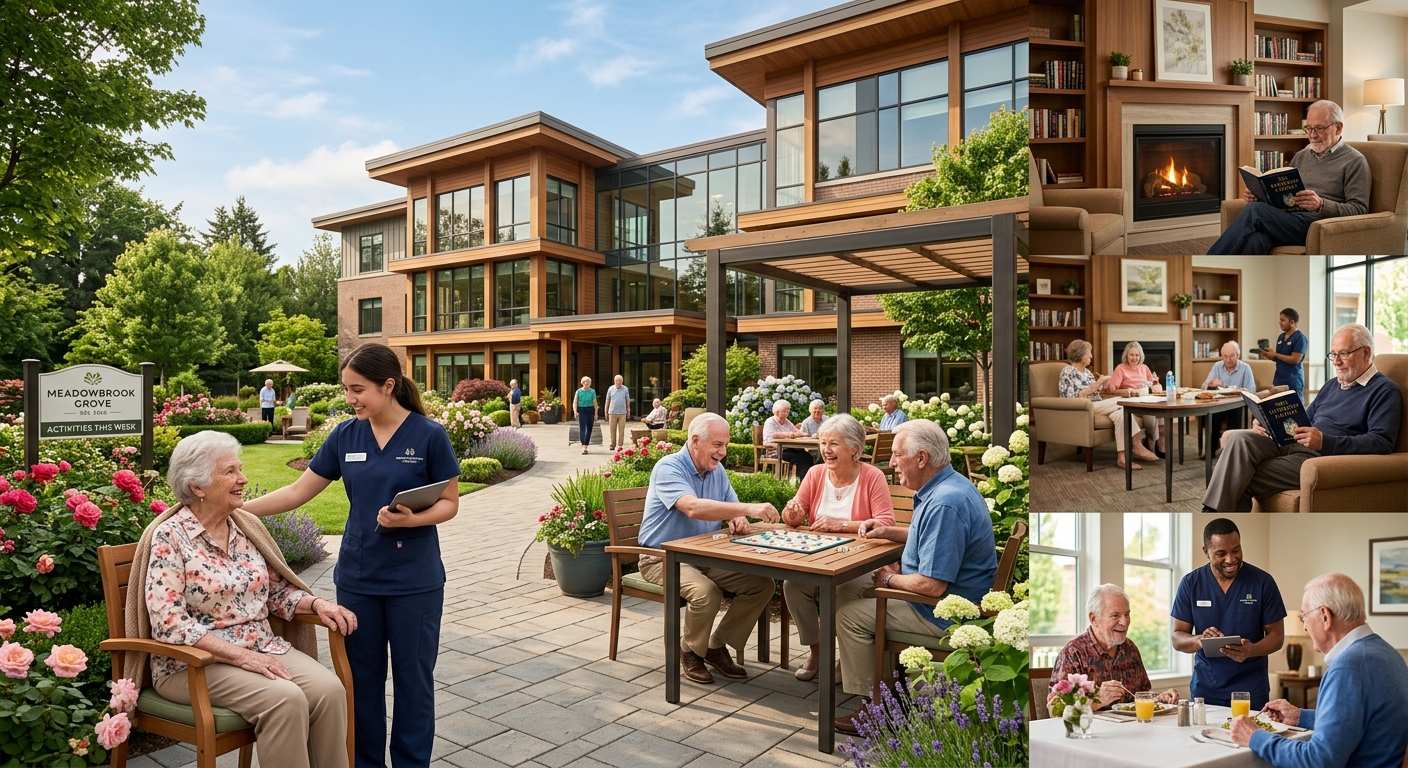
Assisted living facilities cater to seniors and adults with disabilities who need help with daily activities but do not require intensive medical care. These facilities provide private or shared living arrangements and personalized support with tasks like bathing and medication management, aiming to foster independence while ensuring safety. As of 2026, costs for assisted living average approximately $6,386 per month, influenced by factors such as location, level of care, and amenities. Rising demand and regulatory changes have driven costs higher, creating challenges for families regarding affordability and financial planning.
Key Factors Influencing Assisted Living Costs
Costs in 2026 are significantly impacted by geographic location, care needs, and labor expenses. Facilities in desirable metropolitan areas tend to be pricier, while rural settings offer more affordable options. The type of care required also determines fees, with specialized services such as memory care commanding higher prices due to the need for more resources and staff. Labor costs constitute the largest share of operating expenses, and ongoing staff shortages are expected to raise these costs further.
Average Monthly Costs and Financial Assistance Options
The average estimated monthly cost for assisted living is around $6,386, showing a consistent increase influenced by service demand and operational expenses. Many families bear a substantial financial burden, often paying out-of-pocket for about 70% of these services. While long-term care insurance and Medicaid options exist, accessibility and coverage differ by state, making it crucial for families to thoroughly evaluate available financing mechanisms.
Challenges Affecting Quality of Care
Staff shortages and variable state regulations pose significant challenges to maintaining care quality in assisted living facilities. Facilities with frequent staffing shortfalls may compromise personalized resident care, impacting overall satisfaction. While some states enforce strict staffing requirements to ensure adequate care, the lack of standardized quality metrics complicates efforts to measure service effectiveness and resident outcomes.
Future Trends in Assisted Living
The future of assisted living facilities hinges on prevailing economic challenges, demographic shifts, and evolving market demands. As costs rise due to inflation and labor shortages, facilities must streamline operations to maintain quality while managing expenses. The projected labor cost increase necessitates innovative staffing solutions and operational efficiencies to sustain profitability and service delivery in the coming years.
Accommodations for Special Needs
Assisted living communities are equipped to support seniors and adults with diverse disabilities by offering tailored assistance with daily living activities. Addressing specific needs requires well-trained staff and adaptive amenities to foster engagement and independence. Facilities should continuously assess and adapt their offerings to ensure they can accommodate a broad spectrum of health conditions while providing quality care and enhancing resident safety.
The content is provided by Sierra Knightley, Scopewires