Highlights
- Understand local laws and documentation requirements before purchasing police impound motorcycles.
- Conduct thorough inspections to avoid risks linked to unknown mechanical issues and title complications.
Summary
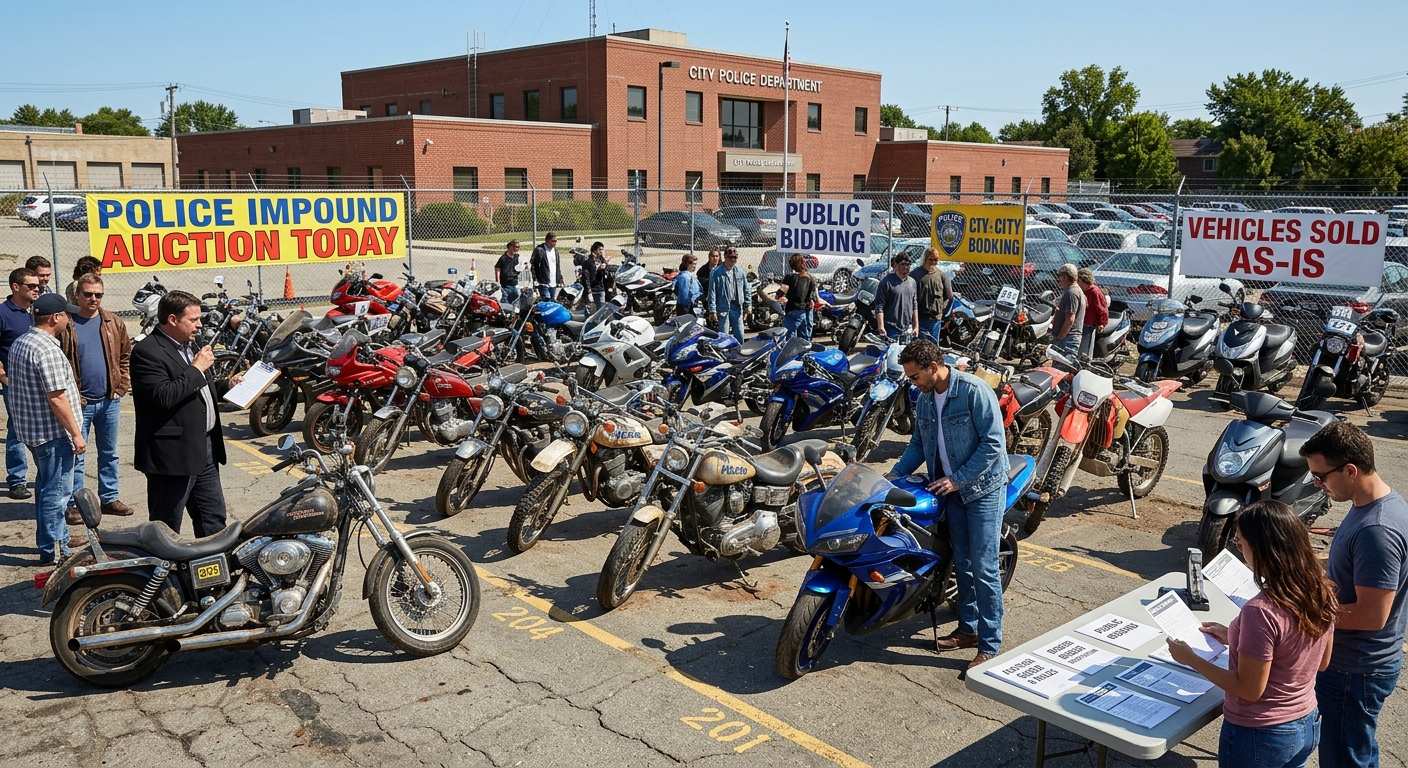
Understanding Police Impound Motorcycles: A Buyers Guide for 2026 equips potential buyers with essential insights for navigating the acquisition of motorcycles seized by law enforcement in the U.S. These motorcycles become available for purchase at public auctions after a legally mandated holding period when original owners do not reclaim them. Buyers must be aware that these vehicles are sold “as-is” without warranties and often come with limited or incomplete histories, which can pose challenges when seeking repairs or registration. Knowing the reasons for seizures—from traffic violations to legal issues—and understanding local laws can help prospective buyers make informed decisions and avoid unexpected complications during the bidding and registration processes.
Overview of Police Impound Motorcycles
Police impound motorcycles serve a unique segment within the used vehicles market, arising from law enforcement actions due to various legal and safety-related infractions. Their availability at public auctions creates opportunities for buyers, but the vehicles are generally sold without warranties, making it crucial for buyers to understand the reasons behind the impoundment and the documentation required for recovery. Buyers should be prepared for potential unknown mechanical issues and incomplete title histories, emphasizing the need for thorough research and inspections before committing to a purchase.
Legal and Administrative Framework
The impoundment process is governed by a legal framework aimed at public safety and effective vehicle management. Motorcycles may be seized for reasons such as expired registration or involvement in criminal activity. Owners must adhere to specific legal requirements to reclaim their motorcycles, including resolving underlying violations and presenting adequate documentation for the release process. Understanding the local laws pertaining to impoundment is vital; failing to comply can result in the motorcycle being auctioned or dismantled after a designated period.
Retrieving an Impounded Motorcycle
To retrieve an impounded motorcycle, owners must first resolve the reason for its impoundment, which may require paying fines or fulfilling legal obligations. Necessary documentation typically includes valid identification, proof of ownership, and current insurance. Awareness of potential inspection requirements is also essential, as these are contingent on local regulations governing safety and emissions compliance.
Fees and Costs
Reclaiming an impounded motorcycle incurs various fees, from towing and administrative charges to ongoing daily storage fees. Given that storage costs accumulate rapidly, it is imperative for owners to act promptly to avoid paying more than the motorcycle’s worth. Understanding the fee structure and expected costs can alleviate financial surprises during the recovery process.
Legal Considerations
Acting promptly to resolve any disputes regarding fees or charges is essential to avoid further penalties or loss of the motorcycle. Some jurisdictions may allow owners to place funds in escrow while contesting charges, facilitating earlier recovery. Understanding state and local laws is crucial for effectively navigating the retrieval process and preventing costly delays.
Purchasing Police Impound Motorcycles at Auction
Buying motorcycles at police impound auctions presents an opportunity to acquire vehicles that have been seized and are no longer claimed. These auctions can be conducted in-person or online, making participation accessible but requiring bidders to abide by specific registration processes and terms. Familiarity with the auction structure is key to making informed bids and securing a motorcycle effectively.
Registration and Participation
Prior to participating in an auction, bidders must register, providing valid identification and accepting the auction’s terms. This preparation is crucial as it helps avoid misunderstandings that could lead to bidding complications. Understanding these requirements can streamline the auction experience.
Auction Formats and Bidding
Motorcycle auctions can take various formats, including live and online options. Online platforms provide increased accessibility but also more competition, making close attention to bidding processes essential. Establishing a maximum bid limit beforehand can help avoid overspending during auctions.
Vehicle Condition and Inspection
Motorcycles sold at these auctions are typically offered without guarantees, emphasizing the necessity for thorough inspections. Buyers should assess critical components and verify the Vehicle Identification Number (VIN) prior to bidding. Engaging a trusted mechanic for a detailed evaluation can significantly aid in understanding any potential repair costs involved.
Post-Purchase Procedures
After winning a bid, timely payment and retrieval arrangements are critical to avoiding additional fees. Buyers receive a bill of sale necessary for title transfer, which varies by jurisdiction. Understanding local regulations regarding title status and requirements is essential to facilitate a successful registration.
Inspecting and Evaluating Police Impound Motorcycles
Inspecting a potential motorcycle purchase involves verifying the VIN and assessing physical condition due to the “as-is” sale nature. Detailed inspections should cover operation-critical components, and buyers should consider any maintenance history that may affect restoration feasibility. Understanding local title and registration requirements is vital for ensuring that the motorcycle can be legally operated post-purchase.
Benefits and Drawbacks of Buying Police Impound Motorcycles
Buying police impound motorcycles can offer significant cost advantages while providing access to a diverse range of models. However, the associated risks include limited information about potential mechanical issues and possible title complications, which could hinder registration. Buyers should weigh these factors carefully against the possibility of good market value before making their decision.
Tips and Best Practices for First-Time Buyers
First-time buyers should thoroughly verify the VIN for legitimacy and inspect essential components of the motorcycle before bidding. Preparedness includes understanding auction procedures and budget considerations for expected repairs. Knowledge of local title and registration processes is crucial for preventing complications after the purchase, ensuring a smooth acquisition experience.
Frequently Asked Questions
Q: Why are searches related to recovering impounded vehicles increasing? A: The rise in online searches indicates heightened enforcement by authorities and growing public awareness regarding rights to recover vehicles.Q: How does the registration process work at in-person impound auctions? A: Registration occurs on-site, with bidders required to understand specific terms for participation.Q: Are there warranties on police impound motorcycles sold at auction? A: These motorcycles are sold without warranties, necessitating careful inspection by buyers.Q: What purchasing options are available besides bidding at auction? A: Some auctions provide “Buy It Now” options, facilitating immediate purchases without bids.Q: What should bidders be aware of during live online auctions? A: Monitoring bidding closely and being prepared for delays and technical issues is essential.Q: What happens after winning a bid on a police impound motorcycle? A: Buyers must complete payment and follow prescribed documentation procedures for legal possession.
The content is provided by Avery Redwood, Scopewires