
Highlights
- The integration of advanced technologies such as AI, biometric authentication, and smart home features in home security systems offer enhanced protection and convenience, catering to diverse security needs and budgets, ensuring a personalized and efficient security solution for any home.
- AI advancements in autonomous threat detection, biometric features for secure access control, and integration with smart home devices not only improve security but also enhance the user experience through automation, seamless management, and real-time monitoring, making home security systems more accessible and user-friendly than ever.
- While the innovation in home security systems brings numerous benefits, concerns around privacy and cybersecurity persist. Manufacturers are continuously improving encryption, authentication processes, and privacy controls to protect users' data, ensuring a balance between security advantages and privacy protections in the evolving market.
Summary and Overview of Home Security Systems in 2025
Home security systems in 2025 combine AI, biometric authentication, and smart home integration to provide enhanced protection and convenience. Options range from affordable DIY kits like SimpliSafe and Ring Alarm to professionally installed systems by ADT and Vivint. These systems use wireless sensors, AI analytics, and mobile apps for real-time monitoring and remote control. AI improves threat detection and reduces false alarms, while biometric features enhance secure access. Smart device integration automates responses, and subscription models like Hardware as a Service (HaaS) offer flexible access to advanced technology. However, increased connectivity raises privacy and cybersecurity concerns, prompting stronger encryption and regulatory measures. The market balances innovation, user experience, and privacy to deliver smarter, more responsive security solutions.
Key Features and Market Trends
Security systems vary from affordable DIY setups with no mandatory monitoring fees to higher-priced, professionally monitored packages. Wireless sensors and smartphone apps enable remote management, with premium plans offering advanced video storage and network security. AI-driven analytics enhance anomaly detection and situational awareness but increase cybersecurity risks. HaaS subscription models provide affordable access to new technology without large upfront costs.
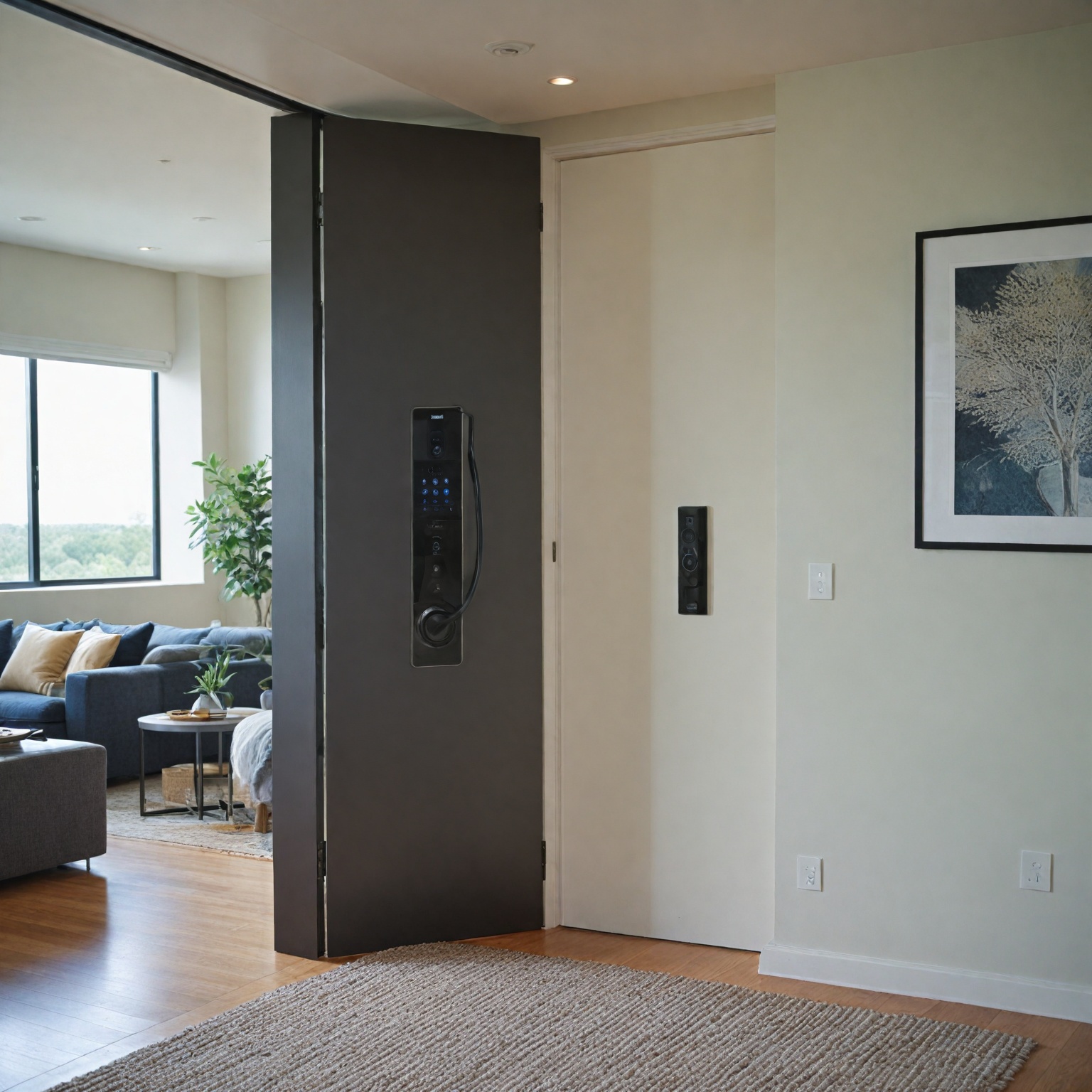
Biometric authentication (facial, fingerprint, iris recognition) offers reliable access control that adapts to changes in environment and users. Integration with smart home devices allows automated responses like activating cameras and lights upon detecting movement. Cloud and local storage options provide flexibility, with many systems requiring subscriptions for full functionality and 24/7 monitoring. Privacy measures include two-factor authentication, encryption, and limited data sharing, addressing concerns over data misuse and hacking risks.
Top Home Security Systems of 2025
SimpliSafe is favored for customizable, DIY-friendly security with modular components, affordable pricing, and AI-enhanced intrusion deterrence without mandatory contracts. ADT leads in professional monitoring and installation, offering reliable emergency response with a simplified keypad interface and RapidSOS integration, though its app is complex. Vivint excels in smart home integration and customization, supporting voice assistants and third-party devices but generally requires contracts.
Cove and others like Frontpoint and Brinks emphasize emergency response and professional monitoring, leveraging smart analytics and environmental sensors. The market trend favors AI-powered analytics, IoT connectivity, and subscription-based models that deliver updatable, affordable security while maintaining strong privacy protections.
Evaluation Criteria and Comparative Analysis
Systems are assessed on technology, smart home compatibility, customer support, contract terms, cost, false alarm reduction, and emergency response. AI features such as face and movement detection improve accuracy but raise privacy concerns. Ease of installation varies from tool-free DIY (Abode, SimpliSafe) to professional setups (ADT). Video analytics now enable real-time scene assessment and predictive security. Despite rare hacking incidents, about 25% of users worry about camera breaches, and over 60% fear constant device monitoring, highlighting trust and usability challenges. No-contract DIY systems democratize security by offering flexibility and affordability.
Installation, Maintenance, and Consumer Feedback
Installation ranges from simple DIY kits praised for clarity and ease to professional services starting around $125. ADT offers both options, with recent hardware updates simplifying controls. Regular maintenance includes hardware checks and software updates to ensure security and performance. Consumer surveys emphasize sensor reliability, alert effectiveness, and customer support, with no-contract systems like SimpliSafe and Ring favored for affordability and ease of use. ADT’s professional service is reliable but its app has a steep learning curve. Clear communication and user-friendly interfaces help build consumer trust amid privacy concerns.
Future Directions and Technological Innovations
Future home security will deepen AI and IoT integration, automating system communication and enhancing situational awareness through advanced sensors and cameras. AI-powered analytics will improve threat detection and forensic capabilities, though increased complexity requires robust cybersecurity such as two-factor authentication and encryption. Expanded smart home integration allows seamless control of security, lighting, locks, and more via voice commands and geofencing. Privacy remains a primary concern, with users advised to choose products from companies committed to data protection. Overall, home security is evolving toward intelligent, adaptive, and user-centric solutions balancing innovation with privacy and cybersecurity.
The content is provided by Harper Eastwood, Scopewires


