
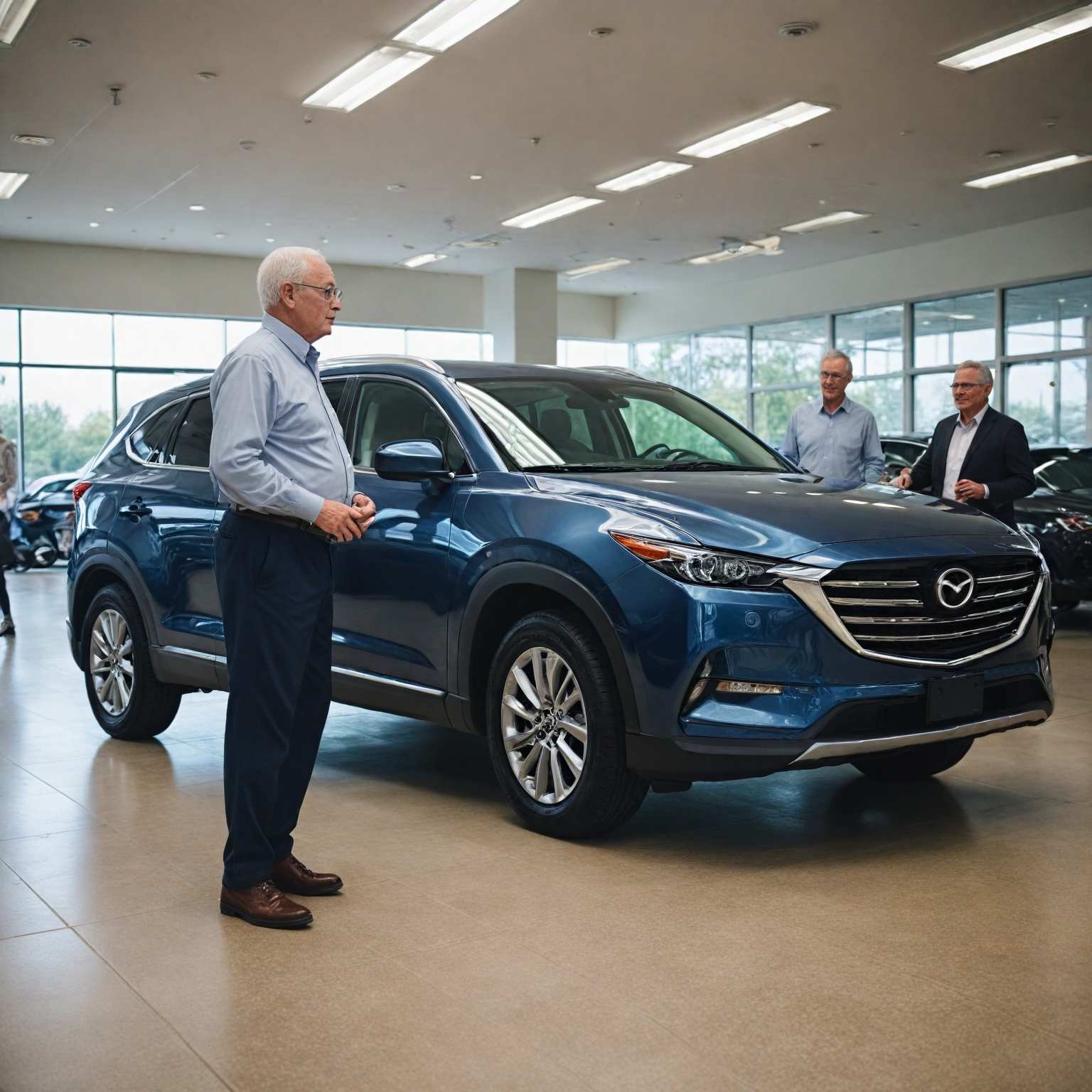
Highlights
- Modern SUVs feature advanced safety systems tailored to enhance senior drivers' comfort and independence.
- Test driving recommended models ensures seniors find a perfect match for their driving needs.
Summary
Choosing the right SUV for senior drivers is vital for comfort, safety, and independence. Seniors benefit from features that address mobility limitations, ease entry and exit, improve visibility, and include advanced safety technologies. This 2025 guide highlights challenges seniors face, key factors like safety ratings, accessibility, comfort, and cost, and recommends models such as the Hyundai Tucson, Subaru Forester, Mazda CX-90, and Toyota Highlander. It also covers regulatory changes promoting fuel-efficient SUVs without sacrificing safety, and addresses challenges seniors face adopting new vehicle technologies. The guide aims to help seniors and caregivers make informed SUV choices that support long-term mobility and well-being.
Key Considerations for Seniors Choosing an SUV
Seniors require SUVs that enhance accessibility, minimize physical strain, and offer safety. Elevated seating and wide doors improve entry, exit, and visibility. Ergonomic controls and advanced driver assistance systems (ADAS) like automatic emergency braking and blind spot monitoring add protection and ease of use. Understanding common physical and cognitive limitations—such as reduced strength, flexibility, and information processing—is crucial. SUVs with features like power tailgates, moderate ride heights, and user-friendly technology better accommodate these challenges. Additionally, seniors may face barriers adapting to smartphone-dependent technologies, underscoring the need for simple interfaces.
Important Factors When Selecting an SUV
Safety is paramount, with ADAS features and high safety ratings offering critical support. Accessibility through wider doors and optimal seat height facilitates easier entry and exit, exemplified by models like the Subaru Forester and Ford Escape. Comfort features such as adjustable, supportive seats and climate control improve driving experience. Adequate cargo space accommodates errands and mobility aids. Cost and maintenance are also key, with models like the Ford Escape and Nissan Rogue providing affordability without sacrificing essential features. Test driving multiple vehicles ensures a personalized fit based on mobility needs and preferences.
Regulatory Changes Impacting SUVs (2024-2025)
The National Highway Traffic Safety Administration (NHTSA) has set stricter fuel economy standards for 2024-2025, requiring an 8% annual improvement, with further increases planned. These regulations promote more fuel-efficient SUVs without compromising safety, benefiting seniors by lowering operating costs and supporting environmental goals.
Recommended SUVs for Seniors in 2025
Top senior-friendly SUVs combine safety, accessibility, and comfort. The Hyundai Tucson offers spacious rear legroom and fuel efficiency under $30,000. The Hyundai Santa Fe features higher seating and wide doors with powerful engine options. Mazda CX-30 and CX-90 provide upscale features and strong safety ratings. Electric models like the Genesis GV60 and Hyundai Ioniq 5 are also notable. Affordable, user-friendly options include the Honda HR-V and Kia Sportage. For larger vehicles, midsize SUVs such as the Toyota Highlander, Kia Telluride, and Chevrolet Traverse offer roomy cabins and easy access. Budget-conscious seniors can consider the Ford Escape and Nissan Rogue. Test drives help ensure the best match for individual needs.
Comparing SUVs on Senior-Friendly Criteria
Comfort features like adjustable seats, heated options, and high seating reduce fatigue. Wide doors and flat floors ease entry and cargo handling. Safety-focused ADAS—including emergency braking and blind spot alerts—enhance protection, though some features may require training for optimal use. Fuel efficiency remains important for cost-conscious seniors, with models like the Hyundai Tucson balancing price and mileage. Simple, intuitive controls help overcome technological barriers faced by some seniors, ensuring ease of use.
Test Driving and Additional Considerations
Test driving is essential to assess entry/exit ease, visibility, and control usability. Moderate ride heights and door designs that accommodate mobility aids improve accessibility. While ADAS improves safety, seniors may need training to adapt to these technologies. Aftermarket ADAS options can enhance older vehicles. Prioritizing comfort, safety, and intuitive technology supports independence and reduces stress. Thorough research of cargo space, safety ratings, and costs ensures seniors select vehicles aligned with their lifestyle and mobility needs.
The content is provided by Harper Eastwood, Scopewires


