
Highlights
- Dental implants provide superior stability and aesthetics compared to traditional tooth replacement options.
- Innovations in technology enhance the precision and safety of dental implant procedures for better outcomes.
Summary and Overview
Dental implants are surgically placed artificial tooth roots, usually titanium, that replace missing teeth by supporting prosthetic restorations like crowns, bridges, or dentures. The key advancement of osseointegration, where implants fuse with the jawbone, has made implants a reliable option restoring function and aesthetics. Innovations in materials such as zirconia and improvements in surgical techniques and digital planning have enhanced outcomes and patient satisfaction. Implants preserve jawbone health, provide superior stability, and offer a natural appearance compared to dentures and bridges. Procedures involve thorough preoperative assessment and often multidisciplinary planning using technologies like computer-guided surgery and 3D printing to improve precision and reduce complications. Despite benefits, risks such as infection and implant failure exist, especially with older implant types. Cost and insurance coverage remain barriers, but many patients report high satisfaction with implants, which continue to evolve with advances in materials and digital technology.
Types and Materials of Dental Implants
Common dental implants include endosteal, subperiosteal, and zygomatic types. Endosteal implants, the most common, are titanium posts inserted into the jawbone and fuse through osseointegration. Subperiosteal implants, placed on the bone beneath the gum, suit patients with insufficient bone and have improved with advanced imaging. Zygomatic implants anchor in the cheekbone for severe maxillary bone loss but are less common due to complexity.
Titanium remains the primary implant material due to its durability and biocompatibility. Alternatives like zirconia offer aesthetic benefits and metal-free options but require further study. Polymers such as polyether ether ketone (PEEK) and composite materials combining ceramics and polymers are under investigation to improve implant strength and flexibility. Surface modifications and bioactive coatings further enhance osseointegration and infection resistance.
Placement Procedure and Surgical Advances
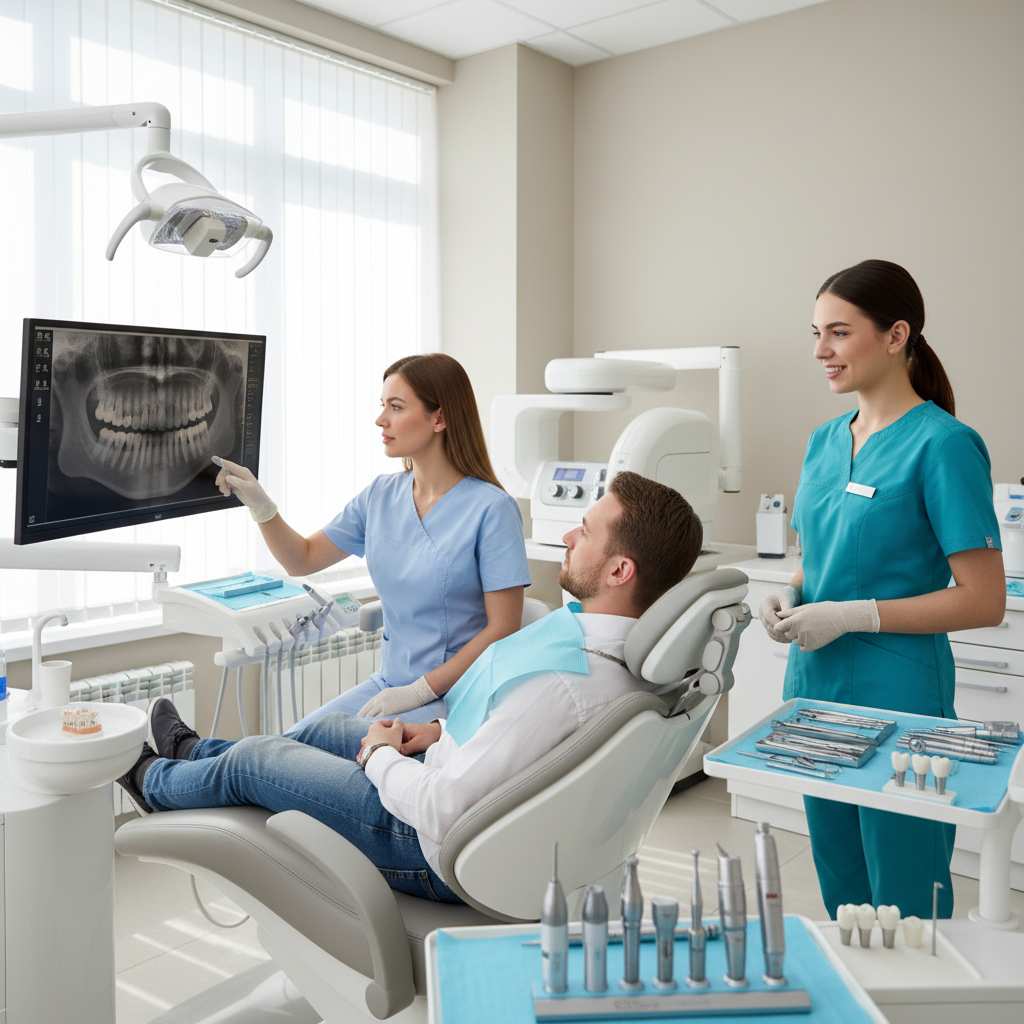
Implant placement is an outpatient surgery involving thorough patient evaluation and a prosthetically driven treatment plan by a multidisciplinary team. The implant is inserted into the jawbone at a site optimized for function and aesthetics, avoiding critical anatomical structures. Soft tissue management and incision design are crucial for healing and appearance. Advanced technologies like computer-guided surgery, CBCT imaging, CAD/CAM, and 3D printing improve placement accuracy and reduce recovery time. Emerging tools such as piezoelectric devices and robotics offer refined control but are limited by cost and training.
After placement, osseointegration occurs over months, followed by attachment of an abutment and permanent crown. Bone grafting or sinus lifts may be needed to ensure sufficient bone volume. The final prosthesis can be fixed or removable based on patient needs.
Benefits, Aesthetics, and Patient Outcomes
Dental implants closely replicate natural teeth in appearance and function, preserving jawbone and facial structure unlike dentures or bridges. They provide enhanced stability, comfort, improved chewing, and speech, positively affecting quality of life and self-esteem. Aesthetic success depends on matching crown color, translucency, and soft tissue (“pink esthetic”) around the implant. Digital tools like Digital Smile Design and CAD/CAM facilitate precise, natural-looking restorations.
Patient satisfaction is generally high, with implants improving psychological well-being and social confidence. However, individual outcomes may vary, influenced by psychological factors. Overall, implants offer a durable and aesthetically superior solution to tooth loss.
Risks, Aftercare, and Maintenance
Complications can include infection, implant failure, bone resorption, and peri-implantitis, often related to implant design, positioning, or patient factors like smoking and bisphosphonate use. Subperiosteal implants historically had higher complication rates due to technical challenges. Accurate placement aided by surgical guides reduces risks.
Aftercare involves maintaining good oral hygiene similar to natural teeth, regular dental follow-ups, and monitoring healing. Minimally invasive surgical techniques and advances in materials contribute to faster recovery and fewer complications. Postoperative care may include antiseptic rinses and tailored antibiotic prophylaxis to support healing.
Cost, Accessibility, and Technological Impact
Dental implants are costlier than alternative treatments and often have limited insurance coverage, limiting accessibility. Financing options can help manage expenses. Technological advances like CAD/CAM, CBCT, 3D printing, AI, and robotics improve treatment precision and outcomes but may be limited by cost and training requirements. Despite these barriers, implants remain a transformative option for restoring oral function and aesthetics.
The content is provided by Harper Eastwood, Scopewires


