
Highlights
- Camper vans offer a versatile, compact living solution for adventurous travelers on the go.
- Explore customized options and innovations that enhance the camper van experience today!
Overview and Definition
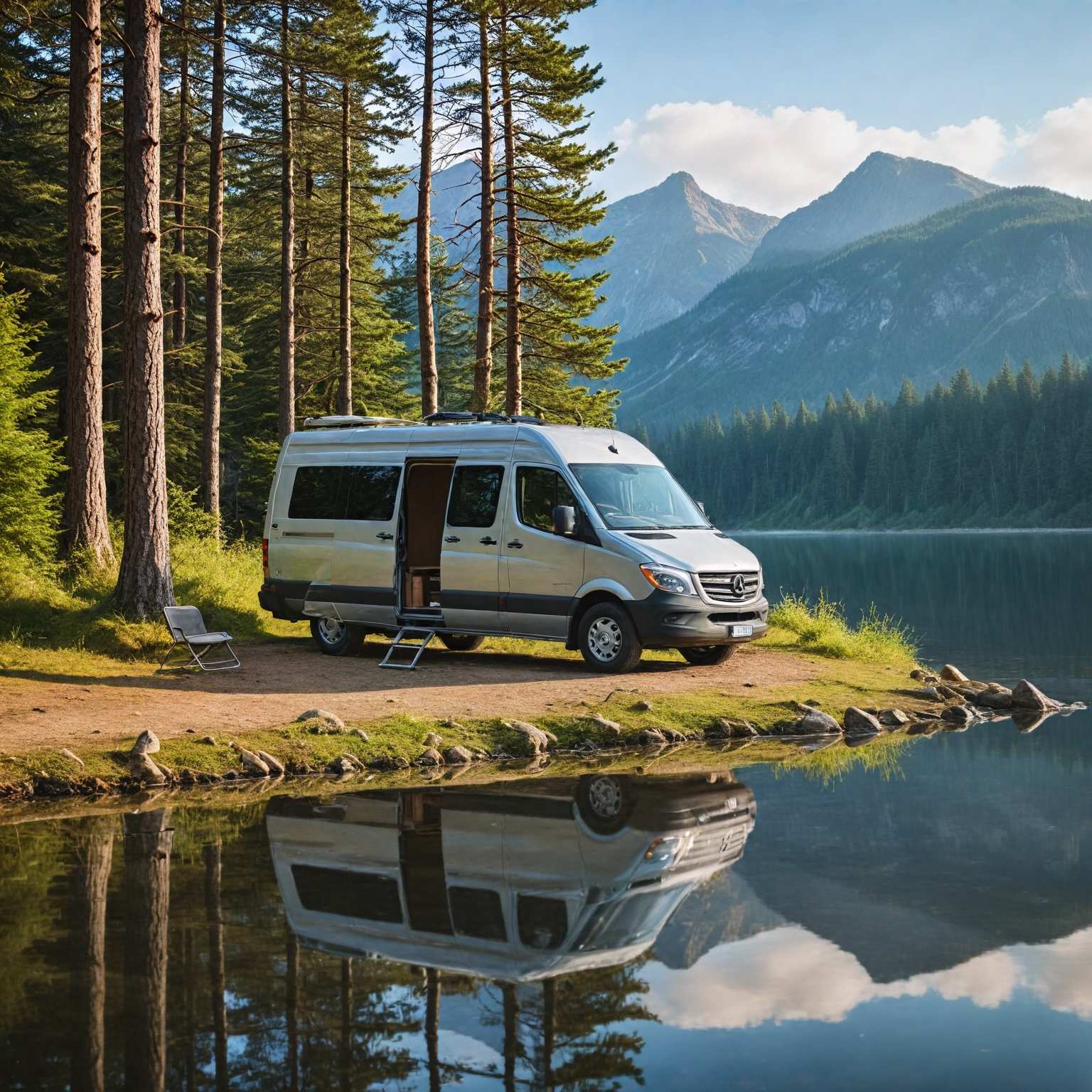
A camper van, or Class B motorhome, is a compact recreational vehicle built on a van chassis, combining sleeping, kitchen, and often bathroom facilities in a maneuverable design. Smaller than larger motorhomes, camper vans offer better fuel efficiency and access to diverse travel locations, appealing to adventurers, couples, and solo travelers. Popular base vehicles include the Mercedes-Benz Sprinter, Ford Transit, and Ram ProMaster, each with distinct benefits. Camper vans can be factory-built or custom-converted, with innovations like solar power and advanced insulation enhancing usability. Despite advantages, challenges include mechanical issues, limited space, and social isolation.
Types, Features, and Popular Bases
Camper vans vary by purpose and customization, from weekend models to full-time living setups. Factory-built vans offer standard features at lower costs, while custom builds provide tailored upgrades, including off-road enhancements found in Adventure Vans. Essential amenities include efficient interior layouts balancing sleeping, cooking, lounging, and storage. Common features are modular beds, full kitchens, compact bathrooms, swivel seats, and ample storage. The Mercedes-Benz Sprinter, Ford Transit, and Ram ProMaster dominate the base vehicle market due to their reliability, space, and customization potential. Other notable models include Volkswagen and Renault vans.
Design Innovations and Interior Materials
Recent camper van designs focus on modular interiors, sustainability, and technology integration such as solar systems and touchscreen controls. Innovations like the Grand Design Lineage Series VT’s underfloor air conditioning exemplify engineering advances. Digital tools aid layout planning to optimize space and function. Interior materials prioritize durability and comfort, using high-density polyethylene for cabinetry, vinyl flooring with insulation, and polyisocyanurate board for thermal efficiency. Quality assembly with marine-grade fasteners ensures longevity and vibration resistance.
Mechanical Performance and Reliability
Reliable mechanics and durable materials are crucial for camper vans, especially for off-road use. Drivetrains vary from front-wheel to four-wheel drive, impacting terrain capability. Engine options range from efficient diesel in Sprinters to gas V6 engines in Transit and ProMaster models. Suspension upgrades improve off-road comfort and control. Manufacturer reputation influences service availability and reliability. Seating ergonomics, including swivel seats, enhance interior flexibility. Maintenance complexity and part accessibility remain important considerations.
Advantages and Limitations
Camper vans offer compactness, maneuverability, and fuel efficiency, enabling access to remote areas and versatile travel. They provide a balance of car-like handling with motorhome amenities, suited for spontaneous, independent travel. However, limited living space, electronic and plumbing issues, social isolation, and maintenance demands pose challenges. Choosing the right drivetrain and base vehicle affects off-road performance and costs. Despite drawbacks, camper vans remain popular for short trips and full-time van life.
Choosing and Customizing Camper Vans
Selecting a camper van involves evaluating base vehicles, insurance, fuel efficiency, maintenance, and interior layouts to fit lifestyle and budget. Popular bases include Volkswagen, Ford, Fiat, and Mercedes-Benz models. Custom conversions allow personalized features like enhanced storage, kitchens, and mechanical upgrades such as coilover suspensions for improved ride quality. Sustainable materials and emissions considerations are increasingly important. Well-planned layouts maximize space and comfort, with high-end builds featuring premium amenities but sometimes limiting travel access due to size.
Popular Models and Ownership Advice
Notable camper vans include the off-road-ready Winnebago Revel, versatile Winnebago Solis, tech-equipped Thor Motor Coach Sequence 20L, and fuel-efficient Travato. Ford Transit models offer reliable performance with EcoBoost engines and all-wheel drive. Classic models like Volkswagen Transporter and Mercedes-Benz Vito remain favored for their legacy and functionality. Renting offers a low-cost exposure to camper van life, while purchasing supports flexible, ongoing travel. Insurance costs vary by model, and compliance with legal and environmental regulations is essential for ownership.
The content is provided by Harper Eastwood, Scopewires


