
Highlights
- Conservation travel empowers communities while protecting ecosystems through sustainable tourism practices.
- Engage in meaningful projects that foster biodiversity and cultural preservation worldwide.
Summary
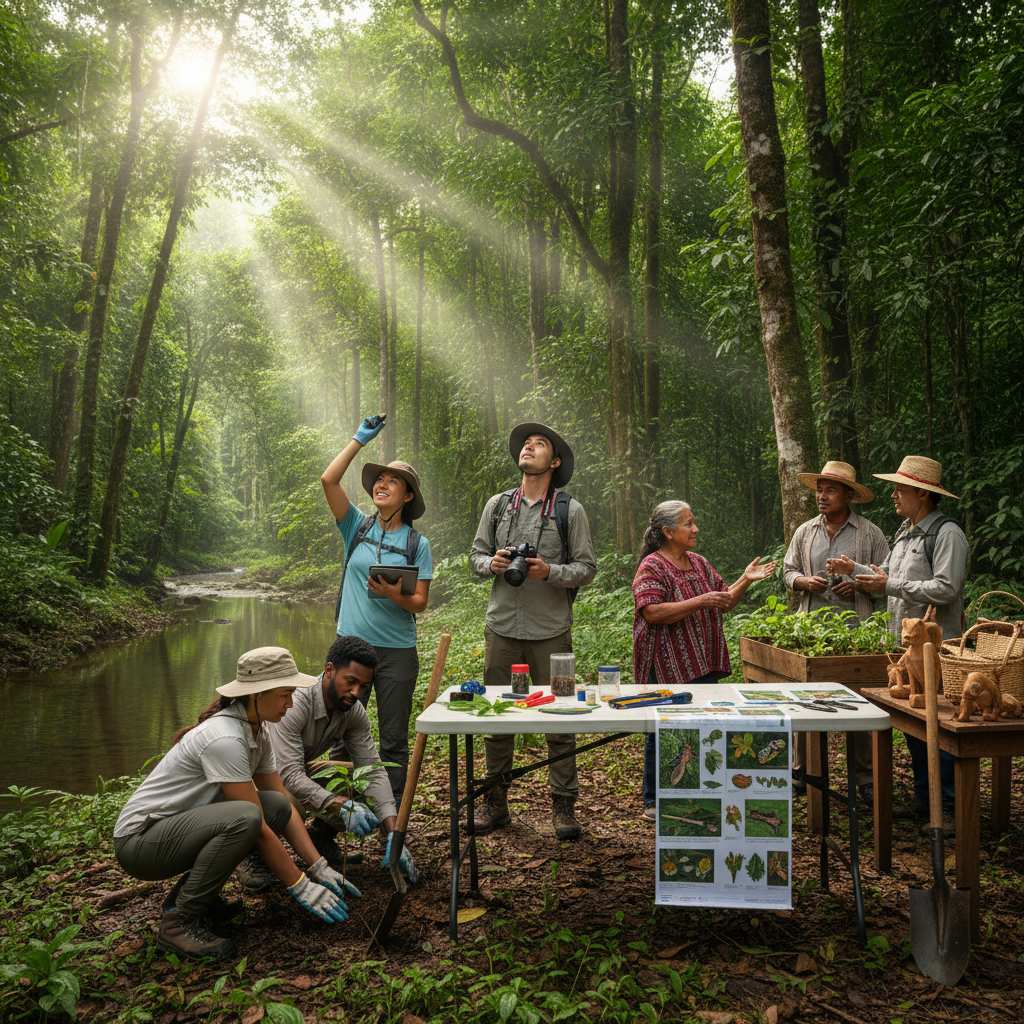
Environmental conservation travel, often known as conservation or ecotourism travel, is a form of sustainable tourism that combines travel with active participation in environmental preservation, biodiversity protection, and community empowerment. It involves visiting ecologically significant locations worldwide while engaging in projects aimed at restoring habitats, protecting wildlife, promoting sustainable agriculture, and supporting local cultures and economies. This travel sector has grown notably since the late 20th century, with countries like Costa Rica pioneering models that integrate conservation policies with tourism development, making it a notable approach to balancing ecological sustainability with economic growth.
The practice encompasses diverse project types including marine and coastal conservation, forest and jungle restoration, wildlife monitoring, environmental education, and community-centered initiatives. These projects often rely on collaboration among local communities, international NGOs, volunteers, and scientific institutions to achieve measurable conservation outcomes. Conservation travel is distinguished by its emphasis on low-impact, educational, and culturally sensitive activities that aim to benefit both ecosystems and host communities. Leading organizations such as WWF, The Nature Conservancy, and Wilderness Travel have helped shape and facilitate conservation travel by fostering partnerships and supporting grassroots projects worldwide.
Despite its benefits, environmental conservation travel faces challenges related to project coordination, inclusivity, and environmental footprints. Research indicates that projects jointly managed by international and local NGOs tend to have lower success rates compared to those led by a single organization, underscoring complexities in collaboration and governance. Moreover, the environmental impact of travel itself, including carbon emissions and resource use, raises concerns that organizations are increasingly addressing through climate action plans and carbon offset programs. Accessibility and volunteer costs also present barriers that limit broader participation in conservation travel.
Looking forward, conservation travel is evolving in response to urgent global challenges such as climate change and biodiversity loss. Emerging trends emphasize Indigenous leadership, technological innovation, and holistic approaches that integrate conservation with social and economic development. Sustainable tourism practices continue to advance, prioritizing ethical wildlife encounters, ecolodges, and community engagement to ensure long-term ecological and cultural preservation. Together, these developments position environmental conservation travel as a vital and dynamic contributor to global efforts in safeguarding natural heritage and promoting environmental stewardship.
History
Environmental conservation travel has evolved through a complex history of conflict, collaboration, and growing global awareness. Early tensions often arose around the exploitation of natural resources, as seen in the Tongass National Forest, where longstanding disputes over old-growth timber cutting involved loggers, conservationists, and Indigenous peoples such as the Tlingit, Haida, and Tsimshian. These groups frequently found themselves at odds, with Indigenous voices frequently marginalized in the debates.
The rise of conservation travel also intertwined with efforts to preserve cultural heritage. Organizations like Wilderness Travel have focused on protecting endangered heritage sites while promoting education and community involvement. Their projects, such as the Banteay Chhmar (The Citadel of the Cats) initiative in Cambodia, illustrate how conservation travel can support both environmental and cultural preservation through international partnerships and local engagement.
In the late 20th century, countries like Costa Rica demonstrated the potential for sustainable development to drive conservation efforts. After abolishing its military, Costa Rica redirected resources towards environmental protection and social well-being, which spurred the growth of conservation policies and a thriving ecotourism industry by the mid-1990s. This success story has served as a model for other nations seeking to balance ecological sustainability with economic development.
Despite the promise of collaborative approaches, research indicates that conservation projects involving both international and local NGOs working jointly have a lower success rate than those managed by a single organization. This finding highlights the challenges of coordination and shared objectives within complex conservation initiatives worldwide.
Throughout its history, conservation travel has increasingly embraced technology and data-driven tools to enhance impact. Platforms mapping climate funding flows and partnerships leveraging agricultural innovations reflect the sector’s ongoing adaptation to address environmental challenges more effectively. The convergence of cultural heritage preservation, Indigenous participation, and innovative conservation strategies continues to shape the evolving landscape of environmental conservation travel.
Key Concepts
Environmental conservation travel encompasses a range of practices and principles aimed at promoting sustainable interaction with natural environments while supporting conservation efforts. Central to this concept is ecotourism, which is defined as nature-oriented tourism designed to contribute to the preservation of natural habitats and species with minimal environmental impact. Ecotourism often includes educational components and aims to provide financial benefits to local communities, thereby making conservation economically viable. This form of travel encourages tourists to engage in low-impact, non-consumptive activities that are locally oriented, particularly in underdeveloped regions, to maintain biodiversity and habitat integrity.
A fundamental aspect of environmental conservation travel is the balance of ecological, social, cultural, and economic factors. For instance, the Zeitz Foundation’s Long Run initiative, launched in 2009, emphasizes a holistic balance of four interconnected elements—Conservation, Community, Culture, and Commerce—known as the 4Cs. This approach underpins their Global Ecosphere Retreats (GER) accreditation system, which identifies and supports institutions managing natural areas with goals such as biodiversity conservation and forest restoration.
Sustainable farming practices also play a significant role in conservation efforts within these travel projects. The “7 Practices” framework highlights key techniques including integrated pest management, nutrient and waste management, energy efficiency, and biodiversity conservation, which together foster sustainable agriculture that supports ecological health.
Another critical component is environmental education and community engagement. Many conservation travel projects incorporate awareness-raising activities such as workshops, trainings, and educational programs aimed at local populations to emphasize the importance of protecting the environment. These initiatives often include provisions for volunteer support such as food and lodging, though volunteers are typically responsible for their own travel and related expenses.
Finally, conservation travel not only helps preserve nature but also empowers local communities economically and socially. By providing income opportunities linked directly to conservation efforts, ecotourism fosters community participation and stewardship of natural resources, thereby promoting long-term sustainability. This approach has been demonstrated by various organizations pioneering sustainable travel models that actively support the protection of wildlife and natural habitats around the world.
Types of Environmental Conservation Projects
Environmental conservation projects encompass a diverse range of activities aimed at protecting, restoring, and sustaining natural ecosystems and biodiversity around the world. These projects often involve collaboration between local communities, volunteers, scientists, and conservation organizations, and can be broadly categorized into several key types.
Marine and Coastal Conservation
Marine conservation efforts protect oceanic and coastal ecosystems, including coral reefs, sea turtle habitats, and mangrove forests. Volunteers may engage in activities such as beach clean-ups, monitoring and protecting turtle nests, researching marine species, and restoring mangroves. Regions with active marine conservation projects include tropical islands, parts of South America, Australia’s Great Barrier Reef, and coastal areas in Europe. These programs help mitigate threats like plastic pollution, illegal poaching, and habitat degradation, fostering healthier marine biodiversity and ecosystems.
Forest and Jungle Conservation
Forest and jungle conservation projects focus on regenerating rainforests, jungles, and other woodland areas to preserve vital ecosystems. Activities typically include tree planting, soil preparation, trail maintenance, and cataloguing flora and fauna. Volunteers may also assist indigenous communities in safeguarding their ancestral rainforests and conserving fragmented forest areas, such as the endangered araucaria forests or coastal matorral habitats. These projects contribute to biodiversity protection, carbon sequestration, and soil erosion prevention, often involving remote fieldwork in challenging environments.
Reforestation and Habitat Restoration
Reforestation projects aim to restore degraded forests and natural habitats by planting trees and promoting natural regeneration. These efforts serve as a natural solution to climate change by improving biodiversity, habitat connectivity, and ecosystem services such as freshwater and air quality. Tools like The Reforestation Hub facilitate effective and equitable restoration practices. Volunteers in these projects often work to reestablish native tree species, support local livelihoods, and contribute to long-term forest health.
Environmental Education and Sustainability
Education is a critical component of conservation, with many projects focused on raising awareness and promoting sustainable practices among local communities. Volunteers may teach in schools, run workshops, and help implement sustainable agriculture techniques that reduce environmental impacts while supporting food security and poverty alleviation. Sustainable farming projects encourage low-impact agricultural practices that ensure food availability for future generations while preserving natural resources.
Wildlife Conservation
Wildlife conservation projects aim to protect threatened animal species and their habitats. Common activities include monitoring animal populations, protecting nests or breeding sites, recording wildlife data, and supporting anti-poaching efforts. Examples include turtle conservation projects where volunteers monitor nests and hatchlings, as well as programs that address illegal wildlife trade and habitat protection. These initiatives often emphasize sustainable, long-term approaches and avoid direct contact with animals to prioritize their well-being.
Community-Centered Conservation
A growing emphasis in conservation work centers on involving and empowering local communities as stewards of the land. Projects that integrate traditional knowledge and address community needs have shown greater success in restoring ecosystems and maintaining biodiversity. Initiatives may include forest carbon projects, local food sovereignty programs, and youth engagement to inspire future conservation leaders. This community-focused approach aims to balance ecological health with social and economic sustainability.
Together, these varied types of environmental conservation projects represent a comprehensive approach to protecting the planet’s natural resources, addressing climate change, and fostering resilient ecosystems for future generations.
Popular Conservation Travel Destinations and Their Ecological Significance
Conservation travel offers unique opportunities for travelers to engage with some of the world’s most important and ecologically significant regions, while actively contributing to their protection and sustainable management. Many destinations have gained prominence for their rich biodiversity, critical habitats, and innovative conservation initiatives supported by sustainable tourism.
Costa Rica
Costa Rica is widely regarded as a global leader in ecotourism and conservation travel. Known for its lush rainforests and diverse wildlife, the country has established numerous protected areas and national parks, many of which are financially supported by tourism revenues. Eco-conscious travelers can immerse themselves in Costa Rica’s natural beauty through tours that emphasize preservation and responsible interaction with the environment. Many ecolodges here are constructed from locally sourced materials and implement zero-waste initiatives, reinvesting profits into reforestation and wildlife rehabilitation programs. Additionally, Costa Rica’s coast-to-coast hiking trails offer immersive experiences in diverse ecosystems while promoting sustainable travel practices.
Madagascar
Madagascar hosts some of the planet’s most biologically diverse habitats, with a high number of endemic species. Conservation projects often involve reforestation efforts and rainforest protection initiatives, which address threats from habitat destruction and deforestation. Volunteers working in Madagascar assist with tasks such as tree planting, environmental education, and wildlife monitoring, particularly in areas like the forest of Nosy Komba, which is home to iconic and endangered species. Collaborative projects like the Makira Project, a partnership between the Malagasy government and the Wildlife Conservation Society, protect extensive natural parks and work to safeguard this unique ecosystem.
Galapagos Islands, Ecuador
The Galapagos Islands are renowned for their role in inspiring Charles Darwin’s theory of evolution and serve as a living laboratory of unique wildlife and marine ecosystems. Conservation efforts here focus on environmental education and maintaining the islands’ ecological integrity. Tourism revenue supports scientific research and conservation initiatives, and strict visitor regulations help minimize human impact on these fragile environments.
Peru and the Amazon
Peru is home to some of the richest natural biodiversity in the world, including critical tropical dry forests and extensive Amazon rainforest regions. Conservation programs in Peru often center on combating deforestation through reforestation, wildlife monitoring, and community education initiatives. Volunteers participate in these immersive programs, which promote sustainable agricultural practices and habitat restoration. The Amazon Conservation & Reforestation program, for example, directly addresses the preservation of vital ecosystems through active engagement with local communities and environmental stewardship.
Spain
Several natural areas in Spain have been recognized under the European Charter for Sustainable Tourism due to their commitment to ecotourism and conservation. These regions feature quality eco-responsible accommodations and enterprises offering sustainable tourism activities that respect the environment and local communities. Sustainable tourism here aims to balance visitor experiences with the protection of natural habitats and cultural heritage.
Other Notable Destinations
Additional prominent locations include the Carpathian forests and ancient meadows of Transylvania, which support high biodiversity and traditional farmed landscapes; the cloud forests of Ecuador and coastal matorral forests of Chile, where private and community-led conservation efforts protect endemic species; and Bhutan, known for its high-value, low-impact tourism model that benefits local communities while preserving natural environments. Chile’s Patagonia region also exemplifies conservation through the creation of national parks via private land donations, offering protected wilderness areas for diverse species and habitats.
Importance of Sustainable Practices
Across these destinations, conservation travel emphasizes sustainable, long-term approaches to preserving biodiversity and ecosystems. Responsible tourism includes low-impact activities, carbon offset programs, and supporting local communities through eco-friendly accommodations and ethical wildlife experiences. This model ensures that tourism revenue contributes directly to conservation projects, scientific research, and habitat restoration, helping to maintain ecological balance while offering meaningful travel experiences.
Volunteer Roles and Responsibilities in Conservation Projects
Volunteers play a vital role in a wide array of environmental conservation projects, undertaking diverse responsibilities that contribute directly to the preservation and restoration of natural habitats. Common tasks include tree planting, soil preparation, trail maintenance, seed gathering, and cataloguing of local flora and fauna, often requiring physical engagement in remote or challenging environments such as jungles and rainforests. Volunteers may also assist in wildlife conservation efforts, participating in activities like monitoring nests, protecting hatchlings, and tracking animals through telemetry drives, which provide valuable data for long-term ecological research.
In marine conservation projects, volunteers contribute by researching, maintaining, and fostering marine biodiversity, including surveying kelp ecosystems, monitoring shark and fish populations, and collecting marine biodiversity data that supports ocean conservation and climate science. Additionally, many conservation programs emphasize education, where volunteers help raise awareness and teach local communities and students about sustainable environmental practices, aiming to foster a culture of conservation and responsible stewardship.
Other important volunteer activities involve controlling invasive species, caring for native plants, monitoring rare species, and assisting with data collection and analysis to inform habitat management strategies such as prescribed burns. Volunteers may also engage in beach clean-ups, mangrove reforestation, and eco-brick building from recycled materials, supporting both environmental restoration and community development projects. The variety of roles ensures that volunteers can contribute their skills and interests, from hands-on fieldwork to educational outreach and scientific support.
These volunteer opportunities often provide access to protected natural areas not open to the general public, allowing participants unique experiences while contributing to conservation efforts. Programs typically include support such as meals, transportation, and accommodations, and frequently partner with grassroots organizations to maximize local impact and sustainability. Through these multifaceted roles, volunteers not only aid in conservation but also gain personal growth, scientific knowledge, and a deeper connection to the natural world.
Organizations and Initiatives Facilitating Conservation Travel
Several organizations and initiatives play a pivotal role in promoting and facilitating conservation travel, a form of sustainable tourism that supports environmental protection, local communities, and biodiversity conservation around the world.
Seacology
Seacology is a nonprofit organization dedicated to conserving island ecosystems globally by launching expeditions that generate direct conservation outcomes through close collaboration with local communities. Its projects focus on establishing marine protected areas, restoring critical habitats such as mangroves and coral reefs, and promoting practices that combat global warming, including reforestation and eco-friendly tourism. By investing in sustainable travel practices, Seacology seeks to neutralize environmental impacts and inspire others in the industry to adopt responsible behaviors.
WWF and Natural Habitat Adventures
WWF, in partnership with Natural Habitat Adventures (Nat Hab), pioneers conservation travel by integrating sustainable tourism with efforts to address pressing conservation challenges worldwide. Traveling with WWF and Nat Hab enables tourists to contribute to the protection of nature, wildlife, and local communities, making visitors active participants in global conservation efforts. WWF’s conservation work notably includes protecting tropical rainforests such as those in the Amazon and Congo Basin, focusing on forest conservation to sustain biodiversity and combat climate change by 2030.
Wilderness Travel and Conservation Through Public Health
Wilderness Travel is a founding member of a coalition that supports various conservation projects globally, such as funding the Snow Leopard
Regional Overview of Conservation Travel Projects
Environmental conservation travel projects are diverse and spread across multiple regions worldwide, each offering unique opportunities for travelers to engage with local ecosystems and contribute to sustainability efforts.
Africa
Africa hosts a variety of impactful conservation initiatives, ranging from wildlife protection to ecosystem restoration. Volunteer programs such as those offered by African Impact provide opportunities in six different African destinations, focusing on protecting iconic wildlife and restoring fragile marine ecosystems. Notably, Kenya’s Reforestation Volunteer Project near Nairobi engages volunteers in forest regeneration to support biodiversity in the highlands. Additionally, projects in Cameroon address renewable energy and water conservation, combining community support with environmental stewardship. Across the continent, efforts also include marine conservation, ecological farming, and education initiatives aimed at promoting sustainable living and protecting endangered species.
Americas
In the Americas, Costa Rica stands out as a global model for conservation travel, with over 60% of its land now covered by rainforest and a rich diversity of plant and animal species. The country’s pioneering Payment for Ecosystem Services (PES) scheme incentivizes farmers to protect watersheds, conserve biodiversity, and reduce carbon emissions, which has helped transition many to ecotourism-based livelihoods such as eco-lodges and guided tours. Sustainable tourism in Costa Rica not only supports preservation but also generates significant economic benefits, making tourism the nation’s largest foreign revenue source. Elsewhere in Latin America, conservation projects protect the unique biodiversity of cloud forests in Ecuador, tropical dry forests in Peru, and fragmented matorral forests in Chile, often involving indigenous communities in safeguarding their ancestral lands. Volunteer opportunities abound in rainforest conservation, marine ecosystem protection, and sustainable agriculture across Central and South America.
Asia and Oceania
Southeast Asia, including Indonesia and Bali, faces pressing environmental challenges such as plastic pollution, with Indonesia being a leading contributor to ocean plastic waste. Conservation travel here often involves marine life protection and initiatives to combat pollution. In New Zealand, Māori cultural values foster strong environmental respect, reflected in eco-certified tourism businesses and conservation-focused projects that preserve native ecosystems. Australia offers extensive coral reef conservation programs, notably for the Great Barrier Reef, where volunteers assist with marine biodiversity preservation and reef restoration. Sustainable farming and regenerative agriculture projects are also gaining ground in the region, aiming to improve soil health and support local farmers through innovative practices.
Europe
Europe provides numerous conservation travel projects closer to home for many travelers. Countries such as Portugal, Spain, and Italy host marine life conservation programs addressing issues like ocean cleaning and reef protection. In Eastern Europe, efforts include protecting wilderness areas such as the Carpathian forests and supporting biodiversity in ancient meadows and woodlands of Transylvania. These projects often focus on habitat preservation, sustainable farming, and environmental education, combining cultural heritage with ecological responsibility.
Together, these regional initiatives exemplify the global scope of conservation travel, offering diverse ways for travelers to support environmental preservation while engaging meaningfully with local communities and ecosystems.
Benefits of Environmental Conservation Travel
Environmental conservation travel, often known as ecotourism, offers a range of benefits that extend beyond mere recreation. One of its primary advantages is the support it provides to conservation efforts, especially in regions where wildlife and natural habitats face significant threats. Income generated through tourism is frequently reinvested into protecting local ecosystems, creating a sustainable and mutually beneficial relationship between travelers and the environment.
Moreover, conservation travel empowers local communities economically and socially by providing alternative livelihoods tied to preserving their natural surroundings. This approach not only enhances local welfare but also encourages the adoption of sustainable practices, such as eco and sustainable agriculture, which help reduce poverty, curb greenhouse gas emissions, and promote long-term environmental health.
Another critical benefit is the educational component embedded within many conservation travel programs. Volunteers and travelers gain firsthand knowledge about biodiversity, ecosystem restoration, and climate action, while local communities receive education and training to promote environmental stewardship. This exchange fosters awareness and a sense of responsibility, helping to build a global community committed to meaningful and responsible environmental interaction.
Conservation travel also grants access to protected or otherwise restricted natural areas, offering unique experiences while maintaining strict guidelines to minimize ecological impact. This access not only enriches the traveler’s understanding but also incentivizes the preservation of these environments.
Furthermore, organizations engaged in conservation travel have increasingly adopted climate-conscious operations, with some achieving carbon neutrality and developing climate action plans to offset emissions associated with travel. Such initiatives demonstrate how individual and collective efforts within conservation travel can catalyze significant global environmental change.
Challenges and Criticisms
Environmental conservation travel and volunteer projects face several challenges and criticisms that impact their overall effectiveness and sustainability. One notable issue is the success rate of projects involving partnerships between international and local non-governmental organizations (NGOs). Contrary to earlier expectations, studies have found that projects jointly operated by international and local NGOs tend to have a significantly lower proportion of success compared to those managed by a single NGO, whether local or international (p = 0.0049). This suggests complexities in collaboration that may hinder project outcomes on a global scale.
Another challenge lies in the potential environmental and cultural footprints left by conservation travel itself. While many organizations strive to support grassroots initiatives and carefully select local projects with direct and efficient impacts, unavoidable consequences of travel—such as resource use and disruption of local communities—remain a concern. Travelers are encouraged to choose eco-friendly accommodations and seek out socially responsible opportunities to minimize negative effects and promote sustainable benefits to local ecosystems and communities.
Volunteering in environmental conservation often requires participants to cover costs beyond program fees, including flights, in-country travel, visas, and vaccinations, which can limit accessibility and inclusivity for some individuals. Additionally, the scope and quality of volunteer contributions may vary, with some projects emphasizing manual tasks like tree planting and trail maintenance, while others focus more on education and community awareness. Ensuring that volunteer efforts align with meaningful conservation goals and genuinely benefit local populations remains an ongoing challenge.
How to Get Involved
Volunteering is a primary way to participate in environmental conservation travel. Many organizations offer opportunities that allow volunteers to learn about local ecosystems and conservation efforts while contributing meaningfully to preservation projects. Participants can gain personal growth, build connections with like-minded individuals, and even earn community service hours. Some volunteer activities grant exclusive access to protected natural areas not open to the general public, enhancing the experience of working closely with nature.
Opportunities range from in-person engagements to virtual, skills-based roles, making it accessible for a broad audience. For example, The Nature Conservancy provides a variety of volunteer options tailored to different interests and locations. Similarly, IVHQ’s conservation volunteering projects involve collaboration with local communities and organizations to implement both proactive and reactive environmental protection methods. Their projects address pressing regional challenges such as reforestation, regenerative agriculture, climate justice, and ecosystem restoration. IVHQ is notable for its high ethical standards as a certified B Corporation, ensuring positive impacts on volunteers, local communities, and the environment.
In addition to volunteering, travelers can engage with sustainable and responsible tourism initiatives. These focus on minimizing environmental impact, supporting local communities and indigenous cultures, and promoting conservation through thoughtful travel experiences. Many sustainable travel companies now offer bespoke eco-friendly packages that balance comfort with low-impact activities, including stays in ecolodges, ethical wildlife encounters, and participation in community-driven conservation projects. Responsible travel also often includes carbon offset programs and encourages active contributions to environmental efforts.
For those interested in governance and management aspects of conservation projects, understanding stakeholder roles and interactions is essential. Research into project initiation, control, and governance can provide insights into how large-scale environmental efforts are structured and implemented, which may help volunteers and supporters engage more effectively.
Future Trends
Environmental conservation travel is evolving to address the urgent challenges posed by climate change and biodiversity loss, emphasizing sustainability, community involvement, and innovative solutions. Scientists warn that without immediate action, the planet will face intensified natural disasters, rising sea levels, and ecosystem collapse, leading to mass wildlife extinction, food scarcity, and widespread displacement of people. In response, conservation travel organizations are adopting comprehensive climate action plans, such as committing to carbon neutrality and offsetting volunteer flight emissions to minimize their environmental footprint.
A key trend is the integration of Indigenous peoples’ needs and knowledge into conservation efforts, exemplified by projects focused on securing the future of vital ecosystems like the Tongass Forest. Centering Indigenous communities is increasingly recognized as essential for the longevity and success of conservation initiatives. Additionally, ecotourism is gaining attention for its dual focus on biodiversity conservation and livelihood improvement, highlighting the importance of balancing environmental protection with social and economic benefits for local populations.
The rise of sustainable tourism reflects growing traveler awareness and demand for eco-friendly alternatives that combine conservation with meaningful experiences. Many tour operators now offer bespoke travel options prioritizing ecolodges, ethical wildlife encounters, community-driven initiatives, low-impact activities, and active participation in carbon offset programs. These approaches seek to move beyond luxury and exclusivity to embrace responsible travel that directly supports conservation efforts while minimizing environmental harm.
Technological advancements and partnerships are also shaping the future of conservation travel. Increased investments in agricultural technologies and collaboration among numerous institutions aim to enhance food security and sustainability on a global scale, illustrating how emerging innovations can complement environmental and social goals within travel-related projects. However, research indicates that conservation initiatives led by single NGOs—either local or international—tend to have higher success rates compared to joint efforts, suggesting that project design and management remain critical factors for achieving lasting impact.
Finally, large-scale funding mechanisms such as debt-for-nature swaps and stringent safeguards for infrastructure development are being mobilized to protect critical ecosystems from harm. These financial and policy tools are expected to play a significant role in supporting the conservation sector amid growing environmental pressures.
Together, these trends underscore a future for environmental conservation travel that is deeply intertwined with climate action, Indigenous leadership, technological innovation, and responsible tourism practices, all aimed at creating a sustainable and equitable global impact.
The content is provided by Harper Eastwood, Scopewires