
Highlights
- Senior cosmetics prioritize specialized ingredients to effectively combat aging while supporting overall skin health.
- The market is growing rapidly, fueled by the increasing number of older adults who value efficacy and wellness.
- Innovative technologies are personalizing skincare solutions, meeting the rising demand for sustainable and ethical cosmetic products.
Summary and Market Overview
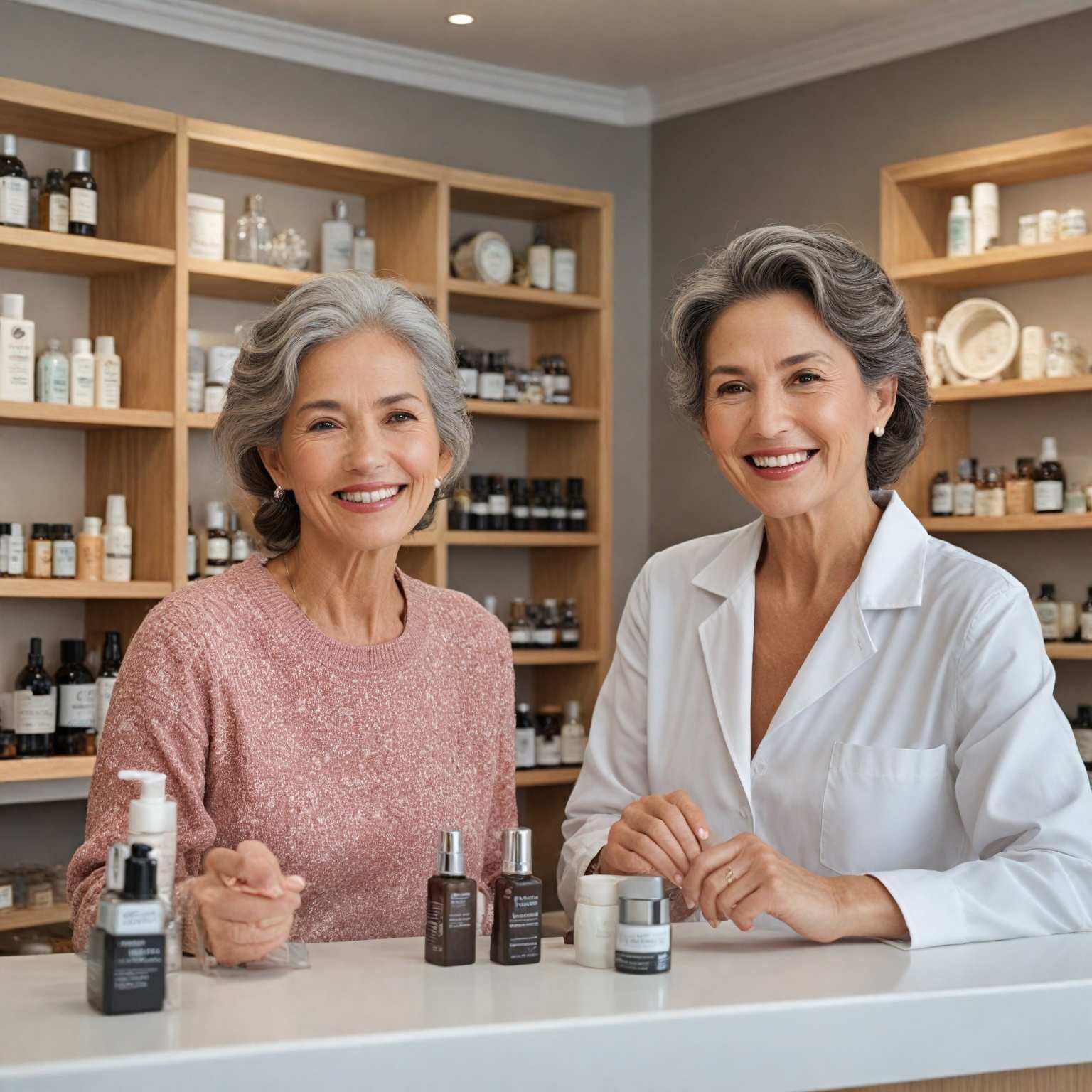
Senior cosmetics are beauty and skincare products designed for consumers aged 45 and above, targeting signs of aging like wrinkles, loss of elasticity, uneven pigmentation, and dryness. These products use active ingredients such as peptides, retinol alternatives, antioxidants, hyaluronic acid, and ceramides to support skin health and appearance. The market is rapidly growing due to demographic shifts and increased life expectancy, with consumers valuing efficacy, authenticity, and wellness-focused formulations. Technological advances, including AI and microbiome research, are shaping personalized skincare experiences. Challenges include formulation complexity, ingredient safety, regulatory compliance, and demands for sustainability and transparency. Major players like L’Oréal and Estée Lauder dominate, but indie brands also gain traction through digital channels. The global cosmetics market is projected to reach USD 629.7 billion by 2033, with senior cosmetics playing a key role.
Definition, Skin Physiology, and Active Ingredients
Senior cosmetics differ from general products by focusing on the physiological changes in aging skin, such as reduced collagen, elastin, and hyaluronic acid, and increased pigmentation issues. Cream-based makeup formulations are preferred to avoid accentuating wrinkles. Aging skin experiences loss of elasticity, moisture, and barrier function, leading to dryness, pigmentation changes, and slower repair. Key active ingredients include peptides, retinol alternatives, antioxidants (vitamin C, ferulic acid), niacinamide, azelaic acid, hyaluronic acid, and ceramides, which improve firmness, hydration, and skin tone. Formulations balance emollients, humectants, preservatives, and stabilizers to optimize efficacy and minimize irritation, with broad-spectrum sunscreens essential to prevent photoaging.
Product Categories and Innovation
Senior cosmetics cover skincare, color cosmetics, specialized treatments, haircare, and accessories. Skincare focuses on hydration, anti-aging, and protection using active ingredients to improve texture and elasticity. Color cosmetics favor cream-based, hydrating formulas that enhance mature skin without emphasizing wrinkles. Specialized treatments inhibit enzymes degrading skin structure and incorporate antioxidants to combat environmental damage. Haircare products address aging hair’s unique needs with nourishing textures and age-appropriate color options. Sustainability efforts include refillable packaging and clean formulations. Technological innovations like AI, microbiome research, and virtual reality enhance personalized product development and consumer experience.
Consumer Behavior and Marketing
The senior demographic values products that support identity, well-being, and natural aging over transient trends. They engage across traditional and digital platforms, prioritizing quality, efficacy, and authenticity. Marketing strategies emphasize anti-aging, natural, and clean beauty products, leveraging AI for personalized experiences and social media influencers for authentic engagement. Online retail adoption is growing among seniors, with brands focusing on accessibility and education to foster deeper connections highlighting emotional and lifestyle benefits.
Safety, Regulatory, and Challenges
Safety is critical in senior cosmetics due to aging skin’s sensitivity, requiring adherence to Good Manufacturing Practices and regulatory controls on color additives and preservatives. Certain ingredients like BHA and phthalates pose health risks and are restricted or avoided. Allergens and preservatives can trigger reactions, necessitating careful formulation and dermatologist consultation. Challenges include developing effective, stable formulations tailored to mature skin, ensuring transparency in ingredient claims, and adapting to consumer demands for sustainability and personalization. Regulatory uncertainties and funding gaps in skincare research also present obstacles.
Future Outlook
The senior cosmetics market is expected to expand significantly, driven by an aging population and a shift toward embracing natural aging and holistic well-being. Market growth is fueled by personalized skincare, multistep routines, and social media influence. North America leads the market, with an anticipated CAGR of 4.6% through 2033. Technological advances such as AI will continue to personalize customer experiences, while innovations in cosmetic science improve ingredient efficacy. Sustainability and ethical considerations will increasingly shape product development to meet the preferences of environmentally conscious senior consumers, alongside gentle formulations suited to sensitive aging skin.
The content is provided by Blake Sterling, Scopewires


