
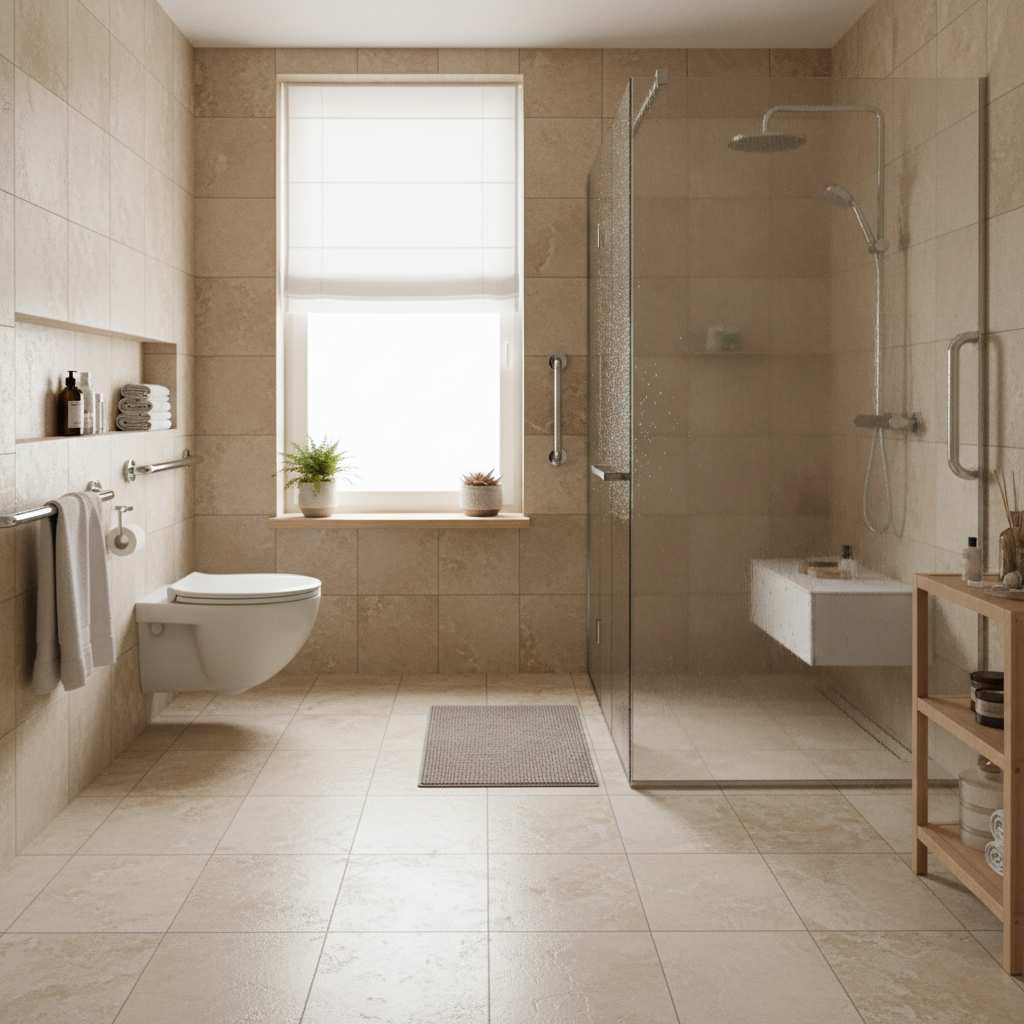
Highlights
- Selecting slip-resistant flooring significantly reduces seniors' injury risks in bathrooms.
- Explore modern trends that combine safety features with stylish, contemporary designs.
Summary
Bathroom safety flooring solutions are specialized materials and design approaches aimed at reducing the high risk of slips and falls in bathrooms, where wet and slippery conditions are common. Given that bathrooms are among the most accident-prone areas in homes—particularly for seniors and individuals with mobility challenges—the selection of appropriate flooring that provides slip resistance, durability, and water resistance is essential to prevent injuries and promote accessibility. Falls attributed to unsafe bathroom flooring account for a significant number of injuries annually, underscoring the critical need for effective safety flooring.
Common bathroom safety flooring options include rubber, cork, non-slip vinyl, textured ceramic and porcelain tiles, natural stone, and specially treated laminate. Each material offers unique benefits in terms of slip resistance, comfort, maintenance, and aesthetic appeal. For example, rubber flooring excels in grip and cushioning, while textured tiles and non-slip vinyl provide durable, moisture-resistant surfaces suitable for wet environments. Advances in material technologies and certification standards—such as those established by the National Floor Safety Institute (NFSI) and the American National Standards Institute (ANSI)—help consumers and professionals assess the slip resistance of flooring products, often measured by the Coefficient of Friction (COF).
In addition to material choice, proper installation, ongoing maintenance, and complementary safety enhancements like grab bars and non-slip mats are vital components in creating a safer bathroom environment. Professional installation and adherence to industry guidelines ensure that flooring maintains its slip-resistant properties over time, while regular cleaning and sealing protect against moisture damage and reduce slip hazards. Furthermore, thoughtful design choices that minimize clutter and consider the needs of vulnerable users support overall bathroom safety and accessibility.
Despite widespread consensus on the importance of slip-resistant flooring, challenges remain in balancing safety with aesthetics and cost. Some flooring materials require more maintenance or higher upfront investment, while others may lack desired design options. Emerging trends in 2024 emphasize integrating safety features with contemporary styles, including minimalist designs and natural materials treated for enhanced traction. Ongoing innovations in slip-resistant coatings and testing technologies continue to improve the effectiveness and appeal of bathroom safety flooring solutions.
Importance of Bathroom Safety
Bathroom safety is a critical consideration due to the constant exposure to water and moisture, which creates a high risk of slips and falls. The presence of water, soap, and smooth surfaces in bathrooms significantly increases the likelihood of accidents, making slip-resistant flooring an essential safety feature. Falls in bathrooms can result from various factors, including inattention, physical disabilities, and environmental hazards such as loose cords or large obstructions; however, flooring materials that lack adequate slip resistance contribute substantially to these incidents. According to the National Floor Safety Institute, approximately 2 million fall injuries per year are directly attributable to floors and flooring materials, highlighting the importance of selecting appropriate bathroom flooring to mitigate these risks. This concern is especially critical for seniors, who face an increased risk of falls due to changes in balance, muscle strength, and mobility. For this demographic, bathroom safety is not only a matter of convenience but a vital component of maintaining overall well-being. Choosing the right flooring material that offers slip resistance, durability, and ease of maintenance is fundamental to creating a safe bathroom environment. Materials such as natural stone, cork, rubber, and non-slip laminate each provide unique benefits in enhancing bathroom safety. Additionally, professional assessments and correct installation ensure that the flooring performs optimally, maximizing both safety and longevity.
Overview of Bathroom Safety Flooring Solutions
Bathroom safety flooring solutions focus primarily on slip resistance, water resistance, durability, and ease of maintenance to create a secure environment in spaces prone to moisture and wet conditions. Slip resistance is a critical factor, often measured by the Coefficient of Friction (COF), where a higher COF indicates better grip and reduced slipping risk. Materials such as rubber, textured tiles, non-slip vinyl, ceramic, porcelain, and natural stone are commonly recommended due to their ability to provide enhanced traction and withstand constant exposure to water without damage. The selection of flooring with certified slip resistance is especially important in households with seniors, children, or individuals with limited mobility, as it helps prevent falls and injuries. In coastal or humid regions, where dampness is more prevalent, choosing materials with reliable slip-resistant properties becomes even more essential to minimize accident risks. Moreover, implementing non-slip flooring solutions supports aging-in-place strategies, enabling elderly individuals to live safely and comfortably in their homes for longer periods while also increasing a property’s market value due to its accessibility features. Beyond material choice, bathroom safety can be further enhanced by reducing clutter, which is particularly crucial for seniors who may have limited mobility. A decluttered environment lowers the chance of tripping or bending over to reach items, thereby contributing to overall bathroom safety. Thus, effective bathroom safety flooring solutions combine the right materials with thoughtful design considerations to create a safer, more accessible bathroom space for all users.
Types of Bathroom Safety Flooring Materials
Choosing the right flooring material is essential for creating a safe bathroom environment, especially due to the constant presence of moisture and the risk of slipping. Various materials offer differing degrees of slip resistance, durability, and comfort, catering to diverse needs such as aging-in-place, accessibility, and aesthetic preferences.
Rubber Flooring
Rubber flooring is highly regarded for its superior slip resistance, maintaining grip even when wet, which significantly reduces the risk of falls. Its natural elasticity provides a cushioning effect underfoot, easing joint strain and making it comfortable for prolonged standing periods. Additionally, rubber exhibits excellent sound-dampening properties, contributing to a quieter bathroom atmosphere. It is naturally resistant to mold and mildew, making it well-suited for damp environments. While not as common as other materials, rubber flooring is a smart choice for homes with seniors or wheelchair users due to its safety and comfort benefits.
Cork Flooring
Harvested from the bark of cork oak trees, cork flooring offers a soft, warm surface that is naturally slip-resistant even when wet. Its inherent elasticity cushions impacts, reducing injury risk from falls. Cork’s cellular structure provides natural resistance to mold, mildew, and bacteria—key considerations in bathroom environments. It also delivers excellent thermal and acoustic insulation, enhancing comfort and privacy. Proper sealing is necessary to optimize cork’s water resistance. Its eco-friendly profile and combination of safety, comfort, and sustainability make cork an increasingly popular option for health-conscious homeowners.
Non-Slip Vinyl Flooring
Non-slip vinyl flooring is widely used in accessible bathrooms due to its safety, ease of cleaning, and durability in high-moisture settings. It often features built-in textures or coatings designed to improve grip in wet conditions. Vinyl can convincingly mimic other materials such as ceramic or wood, providing versatile design options without compromising safety. Modern luxury vinyl options frequently utilize click-lock floating systems for fast, mess-free installation and require minimal maintenance, with no need for sealing or refinishing.
Textured Ceramic and Porcelain Tiles
Ceramic and porcelain tiles are durable, water-resistant materials suitable for bathrooms. While high-gloss tiles may become slippery when wet, selecting tiles with textured or matte finishes, appropriate sizes, and slip-resistant coatings can enhance traction and safety without sacrificing style. Certified slip-resistant tiles are available, and proper installation following industry standards is crucial to maximizing safety. Regular cleaning is necessary to prevent soap scum buildup, which can diminish slip resistance.
Stone Flooring
Natural stone such as slate, tumbled marble, or travertine introduces timeless beauty and, when properly textured or honed, provides decent slip resistance. Stone floors require periodic sealing to maintain water resistance and prevent staining or etching. Although stone can be slippery if polished, selecting stones with slip-resistant textures helps balance aesthetics with safety. Stone floors are typically more expensive to purchase and install but remain a popular choice for homeowners prioritizing style alongside functionality.
Laminate Flooring
Traditionally not considered ideal for bathrooms due to moisture concerns, newer generations of laminate flooring have addressed these issues through waterproof cores and textured, non-slip finishes. These improvements make laminate viable in low-moisture areas such as guest bathrooms or powder rooms. Proper sealing of seams and the use of non-slip coatings enhance safety, though laminate generally requires more careful maintenance in wet environments compared to other materials.
Safety Standards, Certifications, and Testing
Ensuring bathroom flooring meets established safety standards is critical to preventing slip-and-fall accidents. Various organizations and regulatory bodies have developed certifications, testing methods, and standards that help assess and verify the slip resistance of flooring materials used in wet environments such as bathrooms.
Standards and Testing Methods
The Coefficient of Friction (COF) is the primary metric used to evaluate the slip resistance of flooring surfaces. It is typically divided into the Static Coefficient of Friction (SCOF) and Dynamic Coefficient of Friction (DCOF), which measure traction under different conditions. The Dynamic Coefficient of Friction is especially important for wet surfaces, making it a relevant standard for bathroom flooring safety. Several test methods exist to determine slip resistance. For example, ANSI A326.3 is an American National Standard test method designed to measure the DCOF of hard surface flooring materials under wet conditions. This test method specifies that tile flooring products intended for level interior spaces must have a wet DCOF of at least 0.42 to be considered safe for use when wet. Similarly, the ANSI A137.1 standard references the requirement of a minimum DCOF to ensure appropriate slip resistance in tile flooring. The National Floor Safety Institute (NFSI), a not-for-profit organization founded in 1997, certifies flooring materials, coatings, and treatments to help reduce slip-and-fall incidents through education and product certification programs. NFSI’s B101.1 standard measures SCOF, where a value of 0.60 or higher is categorized as “high traction,” which is crucial in bathroom environments where wet conditions prevail. NFSI and ANSI standards often work together to provide comprehensive guidelines for slip resistance testing and certification.
Certifications and Recommendations
For bathroom applications, safety guidelines such as those from the Americans with Disabilities Act (ADA) recommend minimum COF values to ensure accessibility and safety. Specifically, the ADA advises a minimum COF of 0.6 for level surfaces and 0.8 for ramps, with many safety experts advocating for even higher ratings in wet areas to maximize traction and reduce risk. Certified slip resistance is an important consideration when selecting bathroom flooring. Products that meet or exceed standards set by ANSI, NFSI, or other regulatory bodies help ensure compliance with safety regulations and provide effective slip resistance. Flooring manufacturers often recommend independent slip resistance testing to verify that their products meet these stringent requirements before installation.
Testing Equipment and Procedures
Slip resistance testing can be conducted both in laboratories and in the field using specialized equipment such as pendulum slip resistance testers. These devices use different rubber types to simulate footwear and barefoot conditions; for example, soft rubber (TRL rubber) is commonly employed for wet barefoot environments like showers and pool decks, while hard rubber simulates shoe soles. Regular testing and maintenance are essential to sustain the slip resistance properties of bathroom flooring over time, as insufficient traction directly increases the risk of falls. Maintaining vigilance regarding glare effects and design contrast further supports safe flooring environments, as recommended by ANSI/NFSI standards. Adherence to these testing protocols and certification standards is critical to enhancing floor safety and minimizing slip, trip, and fall risks in bathroom settings.
Physical and Chemical Properties Influencing Safety
The physical and chemical characteristics of bathroom flooring materials play a crucial role in ensuring safety, primarily by affecting slip resistance and water absorption. Slip resistance, often measured by the coefficient of friction (COF), is a key factor in reducing the risk of slips and falls. Flooring materials with higher COF values provide better traction, which is especially important in wet environments like bathrooms. Materials such as rubber, textured tiles, and non-slip vinyl are specifically designed to meet safety standards and are commonly recommended for homes with seniors, children, or individuals with limited mobility. Texture is another important physical property influencing safety. Adding subtle texture to bathroom flooring can significantly improve grip without compromising design aesthetics. For example, stone and cork offer naturally slip-resistant surfaces; cork is also mold-resistant and provides cushioning, making it an eco-friendly and comfortable choice for bathrooms. Rubber flooring, valued for its elasticity, not only reduces slip risks but also cushions joints and dampens sound, contributing to a safer and more comfortable bathroom environment. Water absorption is a vital chemical property that affects both safety and durability. Porcelain tiles, which have a water absorption rate below 0.5%, are preferred for wet areas due to their low porosity and enhanced water resistance. In contrast, ceramic floor tiles absorb between 3% and 10% of water, and ceramic wall tiles absorb even more, making them less suitable for flooring in moist environments. Maintaining low water absorption is critical as excessive moisture uptake can lead to slippery surfaces and potential tile damage over time. Some natural materials, such as certain stones, require regular sealing to maintain their water and slip resistance, highlighting the importance of proper maintenance to preserve safety features. While some debate exists regarding the necessity of sealing tiles in shower areas, industry standards and manufacturer guidelines emphasize the importance of selecting appropriate materials with low water absorption and certified slip resistance to ensure safety and longevity in bathroom flooring. Ultimately, balancing these physical and chemical properties—slip resistance, texture, and water absorption—with aesthetic considerations allows for effective and attractive bathroom flooring solutions that minimize the risk of accidents.
Installation Best Practices for Safety and Durability
Proper installation is crucial to ensure both the safety and longevity of bathroom flooring. While some materials, such as luxury vinyl tiles, offer DIY-friendly installation options through click-lock floating systems, many bathroom flooring types require professional expertise to address specific challenges like waterproofing and drainage. Hiring a flooring expert is especially recommended for complex materials such as natural stone or tile, as well as for projects involving structural modifications or ADA-compliant installations. To maximize safety, installers should prioritize the use of water-resistant or epoxy grout in high-moisture areas to prevent water infiltration and reduce slip hazards. Selecting flooring materials certified for slip resistance, often measured by the Coefficient of Friction (COF), is vital to ensure adequate grip, particularly when surfaces are wet. Textured or matte finishes on tiles and other materials further enhance traction without sacrificing style. Maintenance considerations also influence installation practices. For instance, natural stone requires regular sealing to prevent stains and maintain its non-slip properties, which should be factored into the installation process. Additionally, ensuring proper lighting, using non-slip mats, and applying anti-slip coatings can complement flooring choices to enhance overall bathroom safety. By adhering to these best practices, homeowners can achieve a durable, safe, and aesthetically pleasing bathroom floor that minimizes the risk of slips and falls while maintaining its appearance over time.
Maintenance and Longevity
Proper maintenance is essential to ensure the safety, functionality, and aesthetic appeal of bathroom flooring, particularly when slip resistance and durability are priorities. Regular cleaning, sealing, and appropriate material selection contribute significantly to the longevity and effectiveness of bathroom floors. Most bathroom flooring materials require routine cleaning, such as sweeping and occasional mopping, to remove dirt and prevent buildup. For natural stone tiles like slate, marble, granite, or travertine, sealing is necessary due to their porous nature, which makes them prone to stains from spills. Sealants enhance the floor’s resistance to dirt, spills, and erosion, thereby extending its lifespan. However, sealing should be done with care and timing, often waiting for grout to cure fully—ranging from 48 hours to about a month depending on the manufacturer’s recommendations. In contrast, ceramic and porcelain tiles typically do not require sealing, though exceptions exist, so it is important to verify with the tile manufacturer. Choosing the right finish also affects maintenance and safety. Matte finish tiles are preferred over glossy ones because they provide better slip resistance, especially in wet bathroom conditions. Additionally, textured surfaces naturally add traction and reduce the risk of falls, which is crucial for elderly users or those with mobility challenges. Regular resistance testing can help ensure that flooring materials
Additional Safety Enhancements
In addition to selecting slip-resistant flooring materials, several supplementary measures can further improve bathroom safety and reduce the risk of slips and falls. Installing grab bars next to the toilet, shower, and bathtub provides essential support when entering or exiting these areas, which is especially beneficial for elderly individuals or those with limited mobility. These fixtures help prevent falls by offering stable handholds.
Non-slip bath mats placed around bathtubs, showers, and sinks create a secure footing, reducing the risk of slipping on wet surfaces. Such mats are specifically designed for wet environments and serve as an essential safety feature in any bathroom. Using non-slip floor cleaners formulated for wet areas can also maintain or enhance the traction of flooring surfaces, keeping them effective and hygienic.
For individuals relying on mobility aids like walkers or canes, ensuring stable flooring with adequate grip is critical. Without proper traction, these devices may slip unpredictably, increasing the likelihood of accidents. Therefore, selecting tiles with a high Coefficient of Friction (COF) rating, as determined through industry-standard testing, supports safer use of assistive devices and overall bathroom stability.
Finally, balancing aesthetics with safety is important; rugs and mats not only add style but also enhance safety by providing additional traction and minimizing slip-and-fall incidents. These complementary safety enhancements, combined with slip-resistant flooring, create a comprehensive approach to bathroom safety.
Comparison of Popular Bathroom Safety Flooring Options
Selecting the right flooring for bathrooms is essential to ensure safety, durability, and ease of maintenance, especially given the constant exposure to water and moisture that can increase slip hazards. Various materials offer different levels of slip resistance, aesthetic appeal, and upkeep requirements, making it important to compare their features carefully.
Ceramic and Porcelain Tiles
Ceramic and porcelain tiles are among the most popular choices for bathroom floors due to their durability and water resistance. Porcelain tiles, in particular, have a very low water absorption rate of approximately 0.5%, which is significantly better than other types like glazed stoneware tiles with rates around 6%. These tiles often come with slip-resistant textures and coatings, making them suitable for safe bathroom environments. However, maintaining their slip-resistant properties may require regular cleaning with appropriate products, and grout lines need upkeep to prevent staining.
Rubber Flooring
Rubber flooring is well-known for its excellent slip resistance, as it naturally provides a high Coefficient of Friction (COF), which measures the force required to slide across a surface. This makes it an ideal choice for households with seniors, children, or individuals with limited mobility. Rubber also offers comfort underfoot and is resistant to water and stains. It is typically easy to maintain but may have limited design options compared to tiles.
Non-slip Vinyl and Laminate Flooring
Non-slip vinyl and quality laminate flooring are cost-effective alternatives that can mimic the appearance of pricier materials like hardwood or marble while providing safer surfaces. These options are generally easier to install and maintain. Vinyl, in particular, is water-resistant and can be manufactured with textured surfaces to enhance slip resistance. However, care should be taken to select products certified for slip resistance to ensure safety.
Concrete Flooring
Concrete is an incredibly durable and low-maintenance option resistant to water, stains, and scratches, potentially lasting for decades. When properly sealed and finished by professionals, concrete can provide a slip-resistant surface suitable for bathroom use. It requires periodic sealing and cleaning with pH-neutral cleaners to maintain its appearance and safety features. Though versatile, concrete may lack the warmth or traditional aesthetic some homeowners prefer.
Current Style Trends Combining Safety and Design
In 2024, bathroom flooring trends are increasingly focusing on the combination of safety and aesthetic appeal. Minimalist designs featuring clean lines and neutral color palettes are gaining popularity, providing a sleek and modern look while maintaining functionality. Natural materials such as stone and wood are making a strong comeback, aligning with these contemporary trends and offering both visual warmth and slip-resistant properties when properly treated.
Slip-resistant bathroom tiles remain a top choice for safety-conscious homeowners. These tiles typically feature textured surfaces that enhance traction and reduce the risk of slipping, making them a practical option without compromising style. Their availability in a wide variety of colors, sizes, and patterns allows for versatile design possibilities, enabling homeowners to achieve a personalized and attractive bathroom environment. Color selection also plays an important role: for instance, gray tiles offer a neutral tone that is easier to maintain compared to white tiles, which, although sharp in appearance, tend to show dirt more readily.
For spaces requiring additional cushioning alongside slip resistance, materials such as cork and rubber tiles are becoming popular alternatives. These softer flooring options reduce the impact of falls, making them especially suitable for households with elderly individuals, children, or those with mobility challenges. Such choices balance comfort, safety, and design, meeting the needs of diverse users.
Moreover, non-slip mats and rugs complement flooring choices by adding both style and an extra layer of safety, helping to further prevent slip-and-fall accidents. Overall, contemporary bathroom flooring solutions emphasize the importance of integrating safety features like slip resistance and cushioning with design elements that enhance the bathroom’s aesthetic appeal and comfort.
Innovations and Emerging Technologies
Recent advancements in bathroom flooring focus heavily on combining safety with aesthetics, particularly emphasizing slip resistance and natural materials. One notable trend for 2024 is the resurgence of minimalist design, which incorporates clean lines and neutral color palettes alongside natural elements like stone and wood. These materials not only enhance the visual appeal but also align with modern bathroom remodel preferences, offering a blend of beauty and function.
Slip resistance remains a critical area of innovation, especially for bathrooms prone to moisture and humidity. Flooring materials are now frequently designed with textured surfaces, non-gloss finishes, and special coatings that improve traction even when wet. The effectiveness of these materials is often quantified by the Coefficient of Friction (COF), with a higher COF indicating safer, more slip-resistant surfaces. Innovations include rubber, textured tile, and non-slip vinyl options that comply with safety standards and cater to vulnerable populations such as seniors and children. Certification programs by organizations like the National Floor Safety Institute (NFSI) ensure that these materials meet rigorous slip resistance criteria, providing consumers with verified safety assurances.
Additionally, advancements in tile sealing technology contribute indirectly to bathroom safety by preserving the floor’s surface and enhancing its appearance. High-quality sealers not only protect tiles from stains and wear but also help maintain a consistent, non-slippery surface that supports both durability and aesthetics. Application methods have been refined to ensure even coverage, typically utilizing paint rollers or brushes for professional results.
While some modern flooring options may be more susceptible to scratches or may not contribute as significantly to property value as natural materials, they offer a cost-effective and safe alternative for bathroom environments. These tiles combine a premium look with enhanced safety features, making them an appealing choice for upscale yet practical bathroom flooring solutions.
The content is provided by Harper Eastwood, Scopewires


