
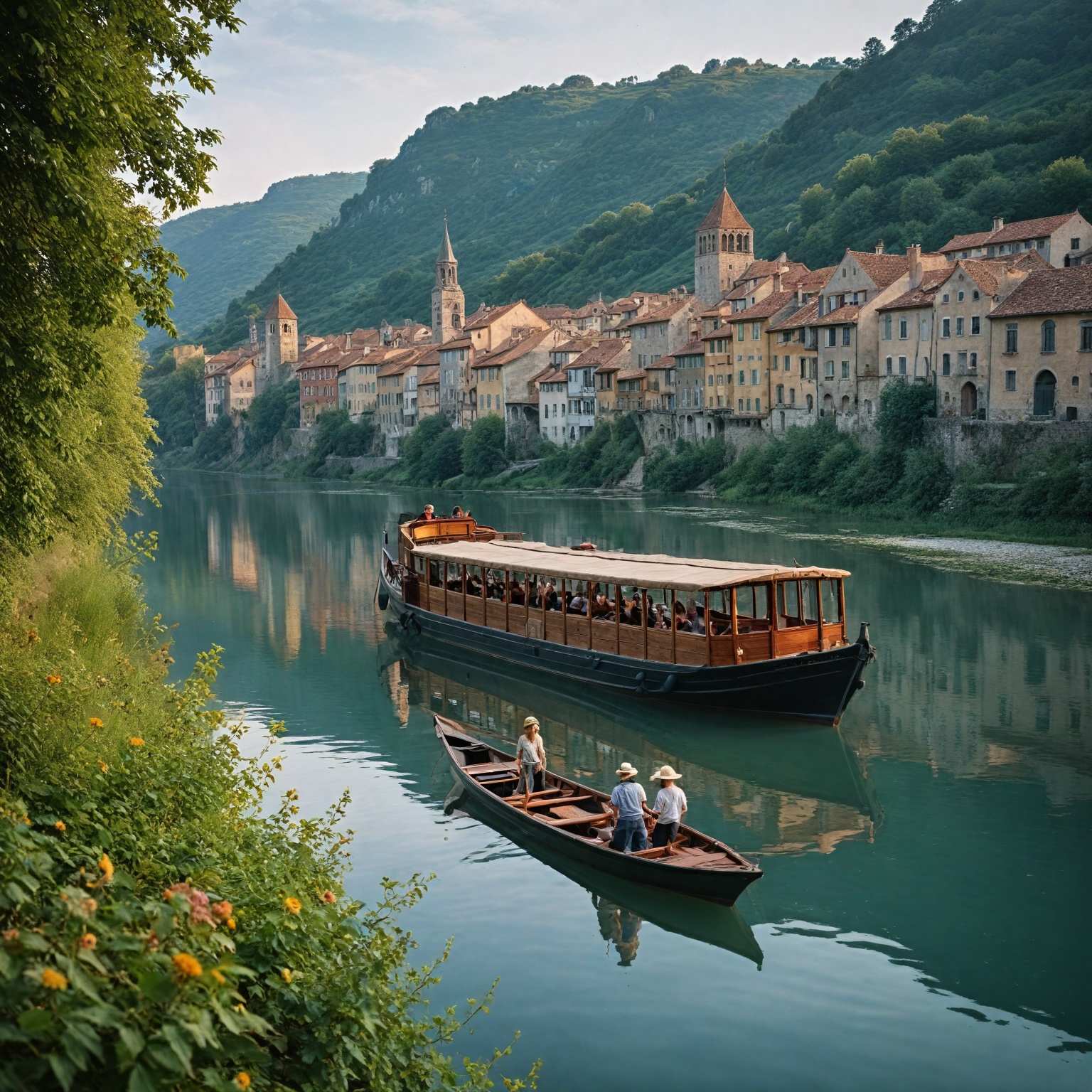
Highlights
- Discover unique, lesser-known destinations that enrich your European river cruise experience.
- Engage in authentic local cultures through culinary tastings and artisan workshops during your journey.
Summary and Overview of European River Cruises
European river cruises offer an intimate way to explore both famous and lesser-known destinations along iconic waterways like the Rhine, Danube, Seine, and Rhône. These cruises, typically on smaller vessels, allow frequent stops at charming towns, medieval villages, and scenic landscapes often overlooked by mainstream itineraries. Beyond popular cities, travelers can discover hidden gems rich in local culture, history, and cuisine, such as the Douro in Portugal or the Moselle in Germany. The rising popularity of river cruises highlights the need to balance tourism growth with sustainable heritage preservation, ensuring authentic cultural experiences remain accessible.
Hidden Gems on European Rivers
Hidden gems refer to smaller, quieter destinations away from major tourist hubs, offering authentic cultural encounters and serene natural beauty. Examples include lesser-known towns along the Danube like Esztergom and Regensburg, Rhine highlights such as Kinderdijk’s windmills, and unique stops on the Rhône and Douro rivers featuring vineyards, medieval sites, and local traditions. These locations provide immersive experiences including local culinary tastings, artisan workshops, and guided historical tours, enriching the river cruise beyond typical landmarks.
Notable Destinations and Cultural Attractions
Along the Danube, travelers find historic towns like Veliko Târnovo and Arbanasi, while the Rhine offers medieval castles and Gothic architecture in cities like Cologne. The Douro and Rhône rivers showcase vineyards, Roman ruins, and vibrant culinary traditions. Other cultural highlights include Rouen’s medieval charm in France, Moorish-influenced sites along the Guadiana River, and artisan towns like Arraiolos in Portugal. These destinations blend architectural heritage with authentic local lifestyles, enhancing the cultural depth of river cruises.
Itineraries and Off-the-Beaten-Path Stops
Most European river cruises last about seven days, often covering multiple countries with options for longer voyages. Popular routes start in cities such as Paris, Amsterdam, or Budapest and include a mix of well-known cities and smaller ports like Braila on the Danube or Castelo Rodrigo on the Douro. These lesser-visited stops offer relaxed atmospheres, authentic local experiences, and opportunities for independent exploration. Cruises balance structured tours with free time, catering to diverse traveler interests.
Special Excursions and Onboard Activities
River cruises feature curated excursions and onboard programs that highlight hidden gems, such as thematic walking tours, vineyard hikes, truffle hunting, and cooking classes. Culinary tastings spotlight regional specialties, while family-friendly activities include treasure hunts and nature walks. Expert-led talks and cultural workshops onboard complement onshore experiences, providing a comprehensive immersion into the destinations’ history, art, and gastronomy.
Practical Travel Information and Tips
European river cruises generally operate April through October, with spring and early autumn offering mild weather and fewer crowds. Many cruises are all-inclusive, covering excursions, meals, and gratuities. Travelers are encouraged to explore beyond popular sites, engage in local culinary experiences, and choose guided tours for deeper insights. Timing visits to coincide with local festivals or avoiding museum closures enhances the experience. Improved transport links, such as a future train connection to Krems, are making access easier.
Impact of Tourism on Hidden Gems
The growth of river tourism has increased access to small towns and villages, boosting local economies and revitalizing traditional crafts. However, it also challenges heritage preservation as communities balance tourism demands with conserving historic sites and natural environments. Successful management is essential to maintain the authenticity and charm that make these hidden gems valuable cultural destinations.
The content is provided by Harper Eastwood, Scopewires


