
Highlights
- Ready apartments offer immediate occupancy, catering to the high demand for accessible housing.
- Innovative construction technologies and urban planning are crucial for enhancing ready apartments' future viability.
Overview and Definition of Ready Apartments
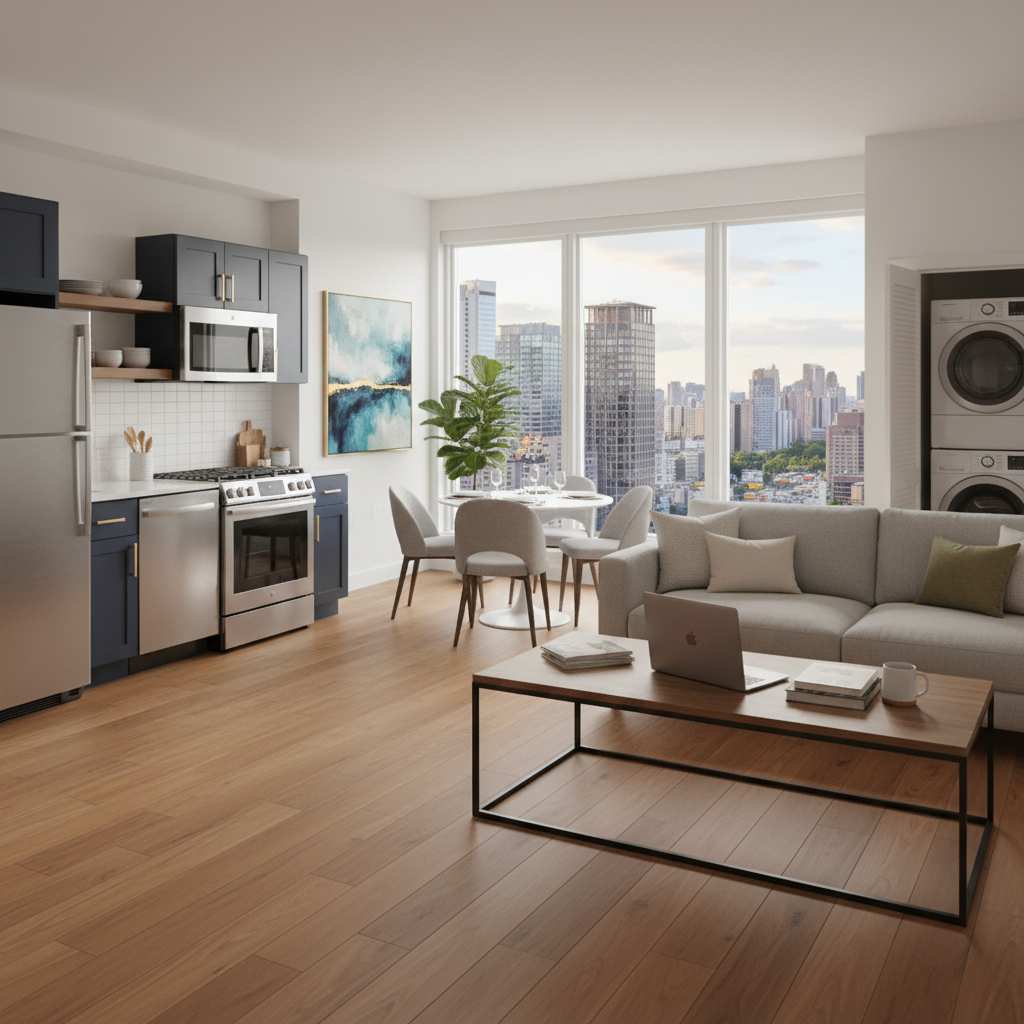
Ready apartments, or move-in ready units, are fully constructed residential properties available for immediate occupancy without additional renovations. They include essential amenities like functional kitchens, in-unit laundry, and high-speed internet. These units cater to diverse residents, including remote workers and urban professionals, by offering convenience and reducing vacancy periods. The make-ready process—inspection, repairs, and cleaning—ensures units meet livability standards, typically taking 2 to 7 days. While offering immediate possession, these apartments may come at a premium and limit customization options.
Drivers Behind the Rise of Ready Apartments
Population growth, remote work trends, and technological advancements drive demand for ready apartments. Regulatory reforms promoting higher-density developments and inclusionary zoning policies encourage construction of such units. Federal programs like the Low-Income Housing Tax Credit support affordable housing development. Economic factors, infrastructure, and transit access also influence demand, with ready apartments near public transportation fostering economic inclusivity and reducing commute times.
Market Dynamics and Regional Variations
Housing markets respond to supply and demand, influenced by demographics, local economies, and regulations. Regions with relaxed zoning, like Houston, see higher construction rates and affordability. Conversely, restrictive zoning in many urban areas limits supply, driving up prices. Federal programs help finance affordable units, but external factors like interest rates and economic conditions affect market stability and affordability, with some areas facing luxury oversupply and others tightening affordability.
Benefits of Ready Apartments
Ready apartments provide immediate availability, transparency in purchase, and established infrastructure, appealing to those prioritizing convenience. Equipped with modern amenities and reliable utilities, they support quality living and serve as alternatives to hotels in urban areas. Investment value often benefits from ongoing infrastructure improvements, justifying higher costs compared to under-construction properties.
Challenges and Criticisms
Ready apartment development faces challenges including governance inefficiencies, restrictive zoning, and regulatory burdens. Exclusionary zoning and mandatory inclusionary policies can limit affordable housing supply or raise costs. Complex regulations on construction approvals and standards add delays and expenses. These factors complicate efforts to expand ready apartments as a solution to housing shortages, necessitating coordinated zoning reforms and improved project management.
Urban Planning, Infrastructure, and Housing Supply
Urban planning and infrastructure critically affect ready apartment availability and affordability. Modern zoning reforms promote higher density and mixed-use developments, including “missing middle” housing near transit corridors. Proximity to public transportation reduces emissions and improves access to jobs and services, supporting sustainable growth. Historically, infrastructure projects have contributed to segregation; inclusive zoning and transit access now play key roles in addressing housing equity and opportunity gaps.
Construction Technologies and Regulatory Impact
Advances in construction technology, such as offsite manufacturing and automation, improve efficiency and address labor shortages. Building regulations ensure safety and sustainability but raise construction costs, especially in high-demand cities where they can increase apartment prices by up to 50%. Compliance requirements for renovations further add to expenses, often discouraging small developers and limiting affordable housing supply.
Future Trends in Ready Apartments
The future will see greater use of AI, robotics, and offsite construction to enhance productivity and reduce costs. Regulatory focus on sustainability and net zero emissions will increase compliance costs. Efforts to reform zoning and permitting aim to ease development barriers. Demographic shifts and urban planning trends emphasize green spaces and infrastructure investment, which improve quality of life and influence housing market dynamics.
The content is provided by Harper Eastwood, Scopewires


