
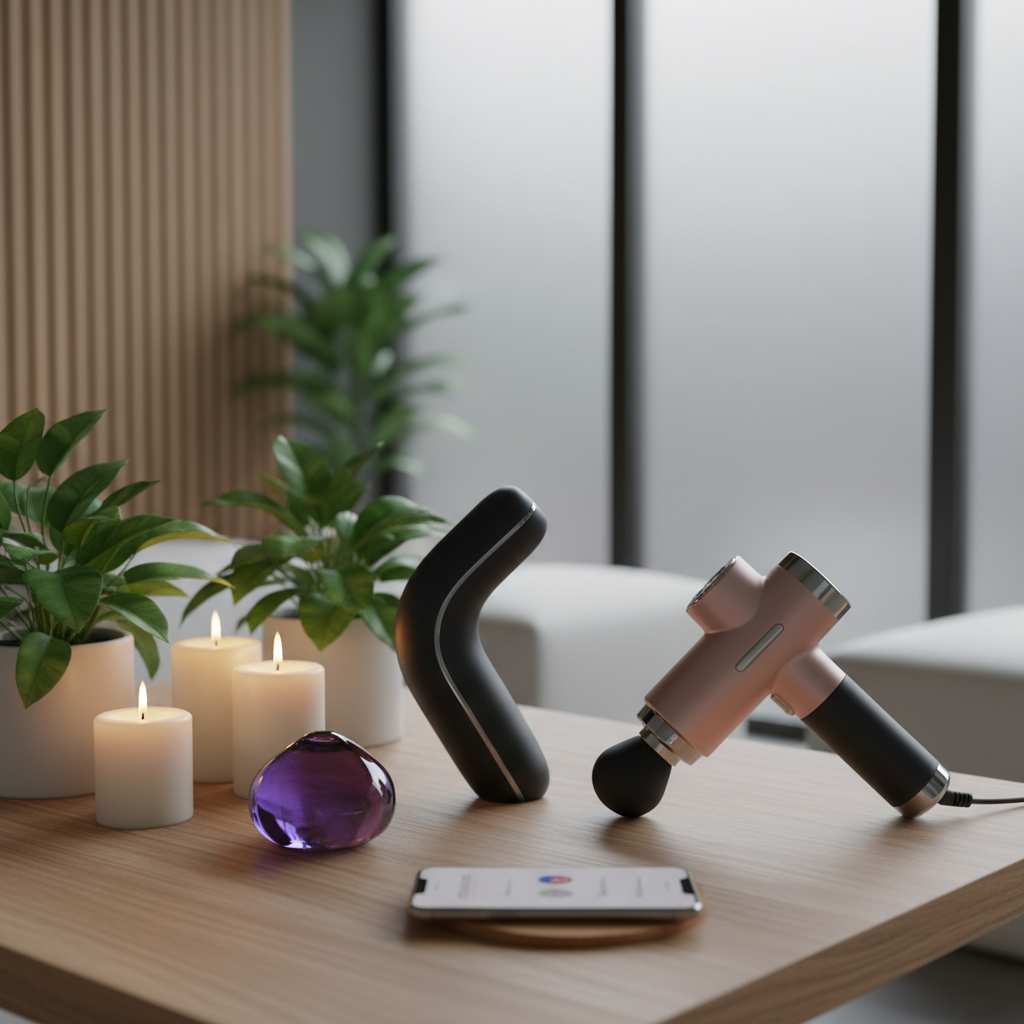
Highlights
- Personal massagers are evolving tools for wellness and self-care amid cultural shifts.
- The market is projected to grow rapidly, reflecting increased consumer interest in sexual health.
Summary
Personal massagers are devices designed to provide therapeutic relief, enhance physical wellness, and support sexual health through vibration, pulsation, and other massage techniques. Originating from ancient massage traditions, these tools have evolved significantly since the late 19th century, when British physician Joseph Mortimer Granville invented an early electric vibrator intended for medical purposes. Over time, personal massagers have transitioned from primarily clinical applications to widespread use in both general wellness and sexual empowerment, reflecting broader cultural shifts and technological advancements.
Today, personal massagers encompass a diverse range of products—including handheld massagers, sexual wellness devices, massage guns, and smart, AI-integrated tools—catering to various needs such as muscle recovery, stress relief, and pelvic floor strengthening. The market for these devices has grown rapidly, valued at approximately $1.5 billion globally in 2023 with a projected annual growth rate of 8.5%, driven by innovations like app connectivity, heat therapy, and ergonomic design, as well as increasing consumer interest in self-care and sexual health. This expansion highlights the importance of personal massagers as multifunctional wellness tools in contemporary lifestyles.
The rising popularity of personal massagers is also intertwined with significant cultural and societal changes. Historically stigmatized, especially in relation to female sexuality, these devices have become symbols of sexual empowerment and wellness amid evolving feminist discourses and more open public attitudes toward sexuality. Media representation and marketing strategies have shifted from discreet therapeutic framing to more candid discussions of pleasure, reflecting and contributing to the destigmatization of sexual health products.
Despite their growing acceptance, personal massagers continue to navigate controversies related to societal taboos, regulatory classifications, and safety standards. Ongoing debates emphasize the balance between therapeutic benefits and sexual wellness, the need for clear usage guidelines, and responsible marketing practices. As technological innovation and cultural openness advance, personal massagers remain at the forefront of discussions on health, pleasure, and self-care in modern society.
History
The concept of massage therapy dates back thousands of years, with some of the earliest recorded instances found in ancient China and Egypt. Over time, massage evolved from simple relaxation techniques to a recognized practice contributing to both mental and physical health and well-being. Understanding this deep history is important for modern health and wellness professionals, including massage therapists, as it highlights the forces shaping the profession today.
In the late 19th century, British physician Joseph Mortimer Granville invented an early form of the electric vibrator to treat a variety of ailments in both men and women. Originally marketed as medical devices or “personal massagers,” these early vibrators were often disguised as household appliances to maintain modesty and avoid explicit mention of their sexual functions. Although intended for therapeutic purposes, they gradually became associated with sexual pleasure, especially during the Roaring Twenties when social attitudes toward sexuality became more liberal and personal massagers gained popularity for erotic use.
The technology behind vibrators typically involves vibrations generated by eccentric weights driven by electric motors or electromagnetic coils. Despite some vibrators being marketed as body massagers for general wellness, they continue to be used for autoerotic purposes as well. This dual role reflects the broader cultural evolution around personal massagers, which have become more innovative and accessible to diverse populations across genders and sexualities.
In recent decades, the personal massager market has expanded significantly, driven by changing consumer lifestyles, wellness trends, and technological innovations. The global handheld massager market was valued at approximately $1.5 billion in 2023 and is expected to grow at a compound annual growth rate of 8.5% over the next five years. Modern devices often incorporate advanced features such as heat therapy, adjustable intensity levels, ergonomic designs, and smart connectivity, enhancing user experience and personalization. This growth is especially notable among millennials and health-conscious consumers who prioritize personal wellness, indicating a robust future for the industry.
Thus, the history of personal massagers is deeply intertwined with medical innovation, shifting cultural attitudes toward sexuality and wellness, and ongoing technological advancements, reflecting their complex role as tools for both health and pleasure.
Types of Personal Massagers
Personal massagers encompass a wide range of devices designed to cater to various wellness and therapeutic needs. These tools vary in form, function, and technology, providing users with options that address everything from sexual wellness to muscle recovery and stress relief.
Handheld Massagers
Handheld massagers are among the most popular types, prized for their portability and ease of use. These devices often feature ergonomic designs that fit comfortably in the hand, enabling targeted relief of muscle tension without professional assistance. Consumers increasingly favor compact, lightweight models that can be carried easily for use at home or on the go. Battery life and ergonomic features are critical factors influencing user satisfaction in this category.
Modern handheld massagers typically offer multiple speed settings and various attachments made from materials such as plastic or foam, designed to access different muscle groups effectively. Some models include pressable buttons for tactile feedback, while others utilize touchscreens for control, although certain designs may limit speed cycling functionality. Innovations also include integration of heat therapy and app-controlled adjustments, enhancing the versatility and customization of massage experiences.
Sexual Wellness Massagers
Personal massagers designed specifically for sexual wellness have evolved beyond mere tools for pleasure to become integral components of self-care routines. These devices stimulate erogenous zones using vibrations, pulsations, or gentle movements, but their benefits extend to stress relief, improved blood circulation, and pelvic floor health support. The variety ranges from discreet bullet vibrators to ergonomically shaped wands and even smart devices controlled via mobile applications.
In addition to enhancing sexual pleasure, some products focus on pelvic muscle strengthening through Kegel exercise tools, which can prevent bladder leaks and contribute to overall sexual health. Experts highlight that an active sex life supported by such devices can yield broader health benefits, including better sleep, reduced stress, and improved immune function.
Massage Guns and Deep Tissue Massagers
Another prevalent category includes massage guns and deep tissue massagers, which provide vigorous percussive therapy to relieve muscle soreness and improve recovery. These devices often come with multiple attachments to target diverse muscle groups and varying intensity levels to suit user preferences. The portability of these devices allows for convenient use in both personal and clinical settings such as chiropractic and sports clinics.
Advanced and Smart Massagers
Technological advancements have ushered in a new generation of personal massagers equipped with artificial intelligence, sensors, and smart connectivity. These innovations enable personalized massage programs based on real-time feedback and user-specific physical conditions. For example, some massage chairs use facial recognition and AI to recommend tailored massage courses. Similarly, handheld massagers with app integration offer customization options and facilitate direct-to-consumer engagement via e-commerce platforms.
The emphasis on sustainability is also growing, with manufacturers exploring eco-friendly materials and subscription models for accessories and replacement parts to enhance long-term user experience and product lifespan.
Specialty Massagers
Beyond general muscle and sexual wellness devices, specialty massagers such as foot and leg massagers incorporate holistic therapies like reflexology to promote circulation and relieve stress. These massagers often combine upward rolling motions, vibration, and heat technologies to enhance comfort and therapeutic effect, making them suitable for at-home recovery routines.
Collectively, the diversity in types of personal massagers reflects evolving consumer preferences toward multifunctional, portable, and technologically sophisticated wellness devices that support physical, emotional, and mental health.
Uses and Benefits
Personal massagers have gained widespread attention for their diverse applications and numerous health benefits, spanning physical, mental, and sexual wellness. These devices are no longer viewed as mere indulgences but as essential tools for self-care and therapeutic purposes.
Physical and Therapeutic Benefits
Massage therapy delivered through personal massagers promotes increased circulation and lymphatic flow, which positively impacts various organs, including the liver, stomach, and sexual organs. Enhanced blood flow contributes to improved sexual health and function by reducing stress-induced hormonal imbalances and supporting relaxation of the central nervous system. Advanced technologies, such as AI-driven massagers, can analyze muscle tension and adapt pressure and technique in real-time, providing highly personalized therapeutic experiences that aid recovery and overall well-being.
Massage has been shown to reduce symptoms associated with post-traumatic stress disorder (PTSD), chronic pain, and dissociation in survivors of sexual violence. Therapeutic touch supports physical and emotional healing, complementing traditional psychotherapies such as cognitive-behavioral therapy and EMDR, thus broadening treatment approaches for trauma survivors. Additionally, regular massage therapy can decrease heart rate and lower levels of stress hormones like cortisol and adrenaline, reducing the fight-or-flight response and promoting immune function.
Mental Health and Stress Relief
Beyond physical relief, massage therapy offers significant mental health benefits. It has been reported to alleviate distress, pain, anxiety, fatigue, and improve sleep quality. The calming effects of pleasant touch stimulate the brain to recognize safety, releasing natural endorphins that foster happiness and a sense of well-being. As a result, individuals who receive massages often experience reduced stress levels and enhanced emotional wellness.
Sexual Wellness and Empowerment
Personal massagers also play a transformative role in sexual health, particularly for women’s sexual wellness—a field that has historically been stigmatized or overlooked. These tools are increasingly recognized for their ability to help individuals explore their bodies, improve sexual pleasure, and address dysfunctions such as female sexual arousal disorder and chronic anorgasmia. Academic research has highlighted the efficacy of self-administered massage techniques and devices like the Magic Wand in overcoming orgasmic difficulties and enhancing sexual satisfaction.
Moreover, personal massagers designed with input from sex therapists and medical professionals can support pelvic muscle strengthening and improve sexual function, contributing to better sleep, reduced stress, and a stronger immune system. This holistic approach aligns with evolving definitions of sexual health that emphasize well-being, respect, and positive sexuality beyond merely the absence of disease.
Technological Innovations and Accessibility
Technological advancements have made high-quality massage experiences more accessible at home. Devices incorporating features such as reflexology, vibration, heat therapy, and patented warming technologies enable users to enjoy professional-grade relaxation and recovery conveniently. These innovations promise a future where personalized therapeutic massages are available on demand, making self-care more achievable for a broader population.
Technological Advances
The personal massager industry has experienced rapid technological advancements that significantly enhance user experience, effectiveness, and customization. A major focus has been the integration of smart features, such as Bluetooth connectivity and mobile app integration, allowing users to tailor their massage sessions to individual preferences and needs. Artificial intelligence (AI) technology further elevates personalization by analyzing muscle tension and automatically adjusting massage pressure and techniques, leading to improved therapeutic outcomes and overall mental well-being.
Ergonomic design improvements and lightweight construction have increased portability and ease of use, making personal massagers more accessible for everyday use and on-the-go relaxation. Innovations also extend to multifunctionality, with devices offering multiple settings and interchangeable attachments to cater to various massage types, from deep tissue to shiatsu therapies.
Battery technology has seen significant progress in thermal management and longevity. Advanced solutions such as passive and active cooling systems, aerogel-insulated ergonomic handles, and tungsten-carbide bearings have reduced heat generation and friction losses, thereby enhancing battery performance and device durability. These technological refinements ensure longer usage times and more reliable charging efficiency, addressing common consumer concerns like battery life and device overheating.
Moreover, the development of tactile and intuitive controls, including both touchscreens and physical buttons, has improved user interaction with devices, although preferences vary among users depending on ease of use and feedback. Some companies are also exploring subscription models for accessories and replacement parts to maintain ongoing access to cutting-edge technologies.
Collectively, these technological advances are transforming personal massagers into highly effective, customizable wellness tools that meet evolving consumer demands while promoting portability, comfort, and therapeutic benefits.
Cultural and Societal Impact
The rise in popularity and open discussion of personal massagers reflects a broader cultural shift in attitudes toward sexuality and sexual wellness. Historically, women’s sexual pleasure was often misunderstood, stigmatized, or silenced, but contemporary movements have increasingly emphasized the importance of exploring and reclaiming sexual wellness without shame or apology. This change is closely tied to feminist efforts that advocate for the assertion of sexuality as a critical component of women’s liberation, encouraging women to initiate sexual advances, enjoy sex, and experiment with new forms of sexual expression.
Feminism has played a pivotal role in broadening the conversation around sexuality by challenging traditional constraints and promoting a more equitable approach to intimacy. This cultural shift validates the diverse ways individuals experience pleasure and fosters an environment that celebrates exploration and personal preference. Such openness has contributed to diminishing the symbolic weight of sexuality as a cultural metaphor and instead emphasizes its multifaceted and individualized nature.
Moreover, the Baby Boom generation, growing up in relatively prosperous and safe conditions with increased access to education and entertainment, significantly influenced the normalization of more permissive attitudes towards sexuality during the latter half of the twentieth century. Their demographic and social impact helped usher in societal acceptance of various sexual behaviors, including premarital sex and same-sex activity, although some forms of sexual behavior, like extramarital sex, remain more contested.
The ongoing discourse also highlights the importance of sexual health within broader socioeconomic and cultural contexts. Contemporary definitions of sexual health emphasize well-being in multiple life dimensions, advocating for positive and respectful approaches to sexuality and relationships. This comprehensive view involves diverse sectors, such as youth education, healthcare, and faith-based organizations, reflecting the complex interplay of influences that shape sexual wellness at both individual and community levels.
In this context, personal massagers have emerged as a small but powerful tool at the heart of the contemporary sexual wellness movement. Their increased visibility and use symbolize a broader cultural acceptance and prioritization of women’s pleasure, marking a significant step toward dismantling long-standing taboos and advancing gender equality in intimate realms.
Media Representation and Marketing
In recent years, media representation of personal massagers has played a significant role in shaping public attitudes toward their use, particularly by normalizing discussions around sexual pleasure and health. In Sweden and neighboring countries, films created by prominent directors challenged traditional taboos by openly addressing sexual subject matter. These films contributed to a shift in societal attitudes, helping to delegitimize the idea that sexual content should be avoided in mainstream media. As a result, Northern European countries, especially Sweden, have developed more liberal views on sexuality and sexual openness compared to many other industrialized nations.
This growing openness has influenced how personal massagers are marketed. Historically, vibrators and similar devices were often marketed discreetly or framed primarily as therapeutic tools. However, society’s increasing acceptance of female pleasure has led to more candid marketing that acknowledges sexual stimulation as a primary benefit of these products. Despite this shift, some marketing strategies also emphasize the health advantages of personal massagers, blending pleasure with wellness narratives to appeal to broader audiences.
Effective marketing of massage and personal massager products shares common strategies that focus on building trust, understanding the target audience, and consistent engagement. For massage therapists and related businesses, establishing a clear brand identity—including wellness services, logo, tone, and personal story—is essential to attract ideal clients and build credibility. Retaining customers through loyalty programs and partnerships with complementary local businesses can also drive growth by encouraging repeat visits and word-of-mouth referrals.
To maximize marketing impact, businesses are advised to conduct thorough audience research and competitor analysis. Understanding clients’ specific needs and identifying market gaps enable marketers to offer unique services and stand out from competitors. This strategic approach, combined with ongoing effort and consistent messaging, forms the foundation of successful promotion in the personal massager and massage therapy industries.
Safety, Regulations, and Usage Guidelines
When considering personal massagers, safety and hygiene are paramount. Materials used in these devices, especially in portable massage tables, should prioritize ease of cleaning and disinfecting to maintain high sanitation standards. For example, vinyl coverings resistant to oil and water are commonly used as they can be wiped down easily between uses, reducing the risk of contamination and ensuring client safety. Additionally, the working weight capacity
Market Trends and Consumer Insights
The personal massager market is experiencing robust growth driven by increasing consumer interest in wellness and self-care, particularly among millennials and health-conscious individuals. This demographic prioritizes personal wellness, contributing to a strong future outlook for the industry. Innovations such as heat therapy, adjustable intensity levels, and smart connectivity have become pivotal in shaping the product landscape, offering enhanced user experiences and greater customization.
Technological advancements play a critical role in expanding market opportunities. Ergonomic designs, smart features, and integration with advanced digital technologies improve portability and personalization, meeting the evolving demands of consumers seeking tailored massage solutions. The market is also expanding geographically, with emerging economies presenting significant growth potential.
The global portable handheld massager market was valued at approximately $1.5 billion in 2023 and is projected to grow at a compound annual growth rate (CAGR) of 8.5% over the next five years. This growth is driven not only by technological innovations but also by changing consumer lifestyles that emphasize well-being and personal care. Moreover, evolving regulatory frameworks and digital transformation are expected to further influence product development and market expansion.
The content is provided by Avery Redwood, Scopewires


