
Highlights
- Medical alert systems significantly enhance safety by ensuring fast response during emergencies.
- Advanced technology in medical alerts promises greater functionality and improved user experience.
Summary and Overview
Medical alert systems, also called Personal Emergency Response Systems (PERS), provide immediate assistance during emergencies, especially for seniors and individuals with disabilities. They enable users to summon help via wearable buttons or automatic fall detection sensors, alerting monitoring centers to dispatch responders quickly. These systems reduce response times in critical events like falls or heart attacks, improving safety and health outcomes.
There are two main types: in-home systems, which connect via landline or cellular networks and cover the residence, and mobile systems, which use cellular and GPS technology to provide protection beyond the home. Advances in sensors and IoT integration allow continuous health monitoring and early disease detection, promoting independence. Choosing the right system involves assessing fall detection accuracy, response speed, connectivity, caregiver support, cost, and insurance coverage. Despite benefits, adoption remains low, hindered by network dependency, false alarms, usability, and pricing. High-quality vendor support and reliability are key to user satisfaction. Integration with healthcare protocols and emerging AI and smart home technologies aim to enhance future effectiveness and adoption.
Types and Features of Medical Alert Systems
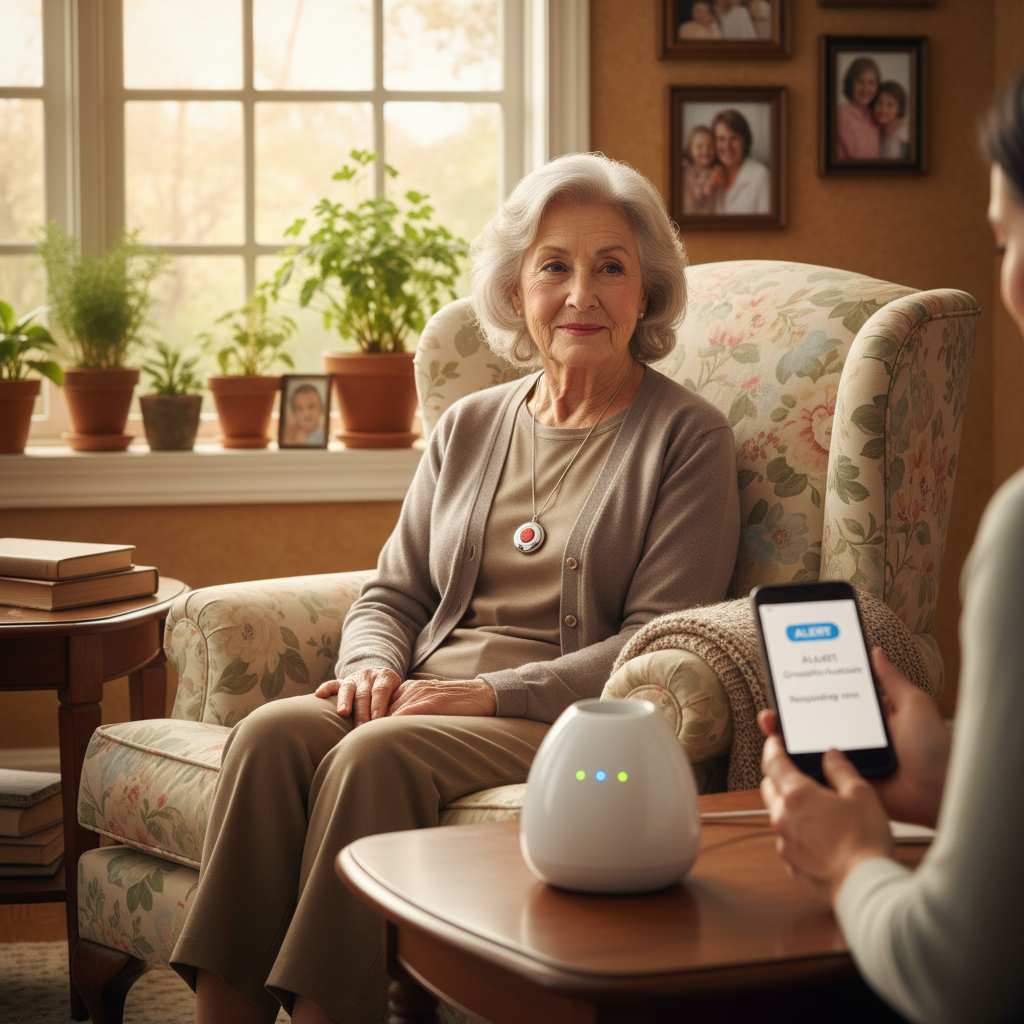
Medical alert systems fall into in-home and mobile categories. In-home systems include a base station linked to a landline or cellular network and wearable or wall-mounted buttons, providing coverage within the home (typically 400 to 1,300 feet). Features often include automatic fall detection and multiple button placements for accessibility. Mobile systems use cellular networks and GPS for real-time location tracking, enabling help anywhere with coverage. They usually offer fall detection, two-way communication, and smartphone app integration for caregiver monitoring.
Key functionalities include automatic fall detection that alerts emergency contacts without user input, wearable and wall-mounted emergency buttons designed for ease of use, and GPS-based location tracking, especially important for mobile users. Systems emphasize simple setup and maintenance, with in-home units typically plugged in and mobile devices providing battery alerts. Customer service and emergency support are vital components.
Connectivity Technologies
In-home systems connect via landline or cellular networks, with coverage ranging from 400 to 1,300 feet. Mobile systems rely on cellular (4G LTE) and GPS, sometimes supplemented by Wi-Fi triangulation, for location accuracy and constant connectivity outside the home. Cellular reception quality is critical for mobile system reliability. Many systems operate without Wi-Fi, ensuring emergency communication even without internet access. Integration of connectivity with advanced sensors and IoT enhances monitoring and rapid response capabilities.
Choosing a Medical Alert System
Selection depends on individual needs, lifestyle, and budget. Important features include reliable fall detection, fast response times (often under 60 seconds), precise location tracking, and caregiver support via apps or portals. Costs vary, with monthly fees typically between $25 and $37; some providers offer discounts or no equipment fees. Insurance coverage is limited; Medicare Advantage plans and VA benefits may help, but traditional Medicare and TRICARE usually do not cover these systems. Family and caregiver involvement is important for device selection, setup, and ongoing maintenance. Consumers should compare options, consider trial periods, and evaluate customer service quality.
Market Overview
Leading brands like Medical Guardian and MobileHelp offer competitive pricing, reliable response times, and caregiver support platforms. Medical Guardian’s monthly fees range from $24.95 to $36.95, while MobileHelp features no extra fees and bundled device options. Aloe Care Health targets users seeking extended coverage. Market pricing generally stays under $35 per month, with discounts and promotions available. Systems are rigorously tested for reliability, usability, and value, helping consumers make informed choices.
Benefits and Limitations
Medical alert systems provide rapid emergency assistance, improving survival rates and health outcomes by reducing response times. They empower users, especially older adults, to maintain active, independent lives with confidence. Fall detection is a critical feature since falls often cause serious injuries and incapacitation. However, adoption remains low, with fewer than 10% of seniors using these devices. Limitations include dependency on cellular reception for mobile units, limited in-home coverage range, device design and usability challenges, imperfect fall detection accuracy, and complex pricing structures. User satisfaction depends heavily on system reliability and vendor support.
Integration with Healthcare and Emergency Services
Medical alert systems integrate nationwide wireless voice, data, and GPS technologies to enable real-time monitoring and precise location tracking. They facilitate faster emergency responses via 24/7 professionally staffed monitoring centers that assess emergencies and dispatch appropriate help. Advanced systems support continuous cardiac monitoring and rehabilitation assistance, enhancing patient outcomes. Providers include hospital programs, home care companies, smartphone app services, and closed community systems. Maintaining U.S.-based monitoring centers ensures clear communication and quality customer service, which are crucial for effective emergency response.
Technological Innovations and Future Trends
Since the 1980s, medical alert systems have evolved with advances in sensors, AI, and connectivity. Automatic fall detection uses motion sensors and AI to reduce false alarms, with devices designed for comfort and continuous wear. Location tracking combines GPS and cellular triangulation for fast emergency response both at home and on the move. Mobile devices integrate features like heart rate monitoring and pedometers without requiring Wi-Fi, relying on cellular or landline connections. Wall-mounted emergency buttons complement wearable devices to improve home coverage. Emerging trends include cautious adoption of smart speaker integration and expanded smart home compatibility, aiming to enhance usability and increase adoption while maintaining high system quality and vendor support.
The content is provided by Harper Eastwood, Scopewires


