
Highlights
- The rising interest in infection cure supplements demands careful evaluation and responsible use.
- Ongoing research is crucial to clarify efficacy and ensure safety in immune-supporting supplements.
Summary and Historical Background
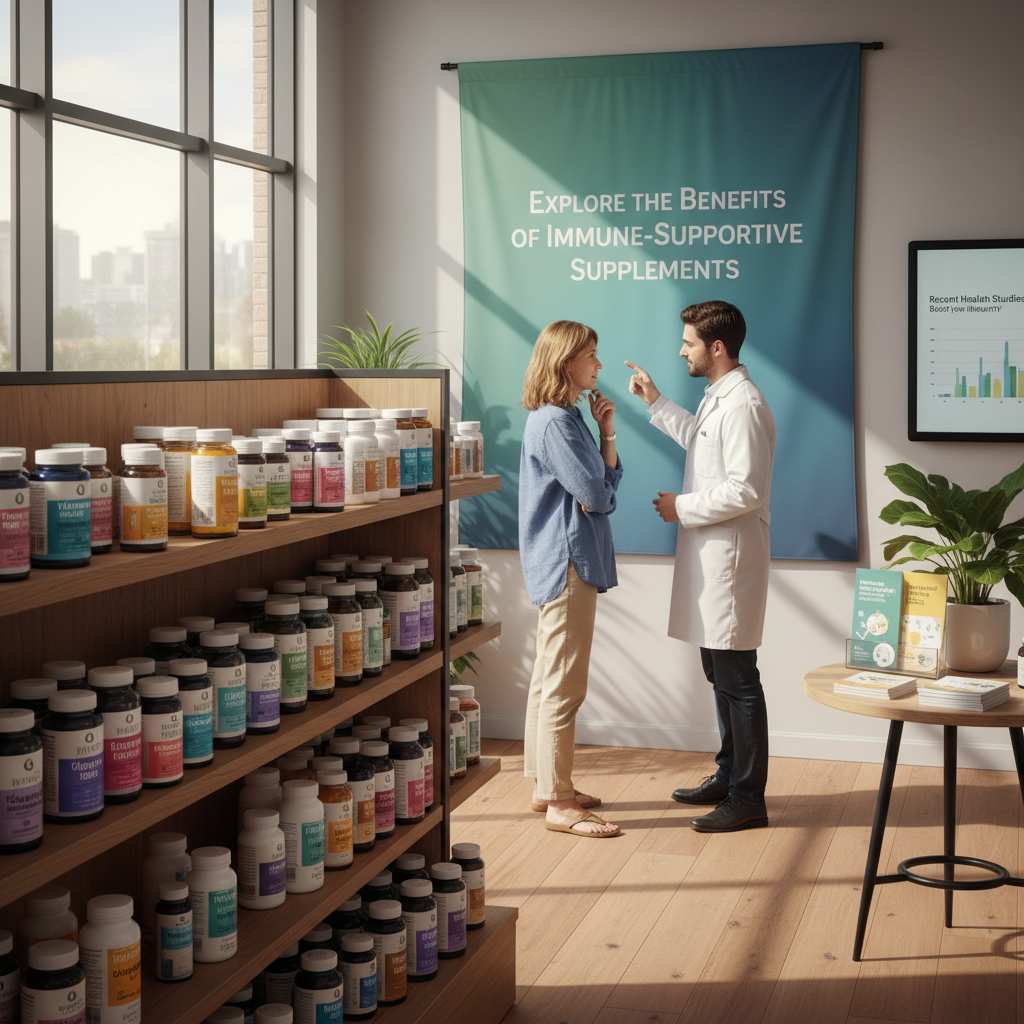
Infection cure supplements, including vitamins, minerals, herbal extracts, and probiotics, are popular for their perceived immune-supportive effects, especially following viral outbreaks like COVID-19. While some, such as vitamin C, vitamin D, and zinc, show potential in modulating immunity or reducing symptoms, scientific evidence is often mixed and inconclusive. Regulations vary globally, with frameworks focusing on safety and truthful marketing but often lacking rigorous efficacy evaluation. Herbal supplements may pose risks of side effects and drug interactions, underscoring the need for healthcare guidance.
Supplement regulation has evolved, with the U.S. Dietary Supplement Health and Education Act (DSHEA) of 1994 defining current policies that prohibit disease treatment claims. Compared to the U.S., countries like Ethiopia have less developed regulatory frameworks for traditional medicines. Public interest in immune-boosting supplements has grown, though many products require further research to confirm efficacy and safe dosing.
Categories of Infection Cure Supplements
Supplements fall into vitamins and minerals, herbal products, and other bioactive compounds, all aiming to support immune function.
Herbal Supplements: Common herbs include elderberry, echinacea, garlic, tea tree oil, ginger, and oregano. Evidence for their effectiveness is limited or mixed, and potential side effects or interactions warrant professional advice.
Vitamins and Minerals: Vitamins A, C, D, E, zinc, and selenium are studied for immune roles. Vitamin C may shorten cold duration but not prevent it; vitamin D’s benefits are inconclusive; zinc might reduce symptom length but not infection risk; selenium’s role is linked to deficiency status. Routine supplementation without deficiency is generally unsupported.
Other Bioactive Compounds: Probiotics and ginseng may modulate immunity and reduce infection risk, though more research is needed.
Mechanisms of Action
Supplements support immune defense by enhancing innate and adaptive immunity, regulating gut microbiota, inhibiting viral replication, and controlling inflammation. Vitamins A and D influence immune cell function and gut health, while probiotics promote microbial balance and immune modulation. Herbal extracts like Azadirachta indica and Tulsi exhibit antiviral properties against various viruses. These mechanisms underpin their potential roles in infection prevention and management.
Scientific Evidence and Research
Research on supplements for COVID-19 and other viral infections shows mixed results due to varied study designs and populations. Vitamin A reduces morbidity in children with measles in low-income settings; vitamin D levels correlate with infection severity but supplementation benefits are unclear; vitamin C and zinc may shorten symptom duration without preventing infections. Herbal supplements like echinacea, ginger, garlic, and ginseng show antiviral and anti-inflammatory potential. Probiotics demonstrate immunomodulatory effects, with some evidence supporting respiratory infection prevention. Overall, more rigorous trials are needed to confirm efficacy and optimal use.
Interactions with Conventional Therapies
Herbal supplements and vitamins can interact with medications, affecting treatment outcomes. For example, vitamin D interacts with statins and tuberculosis drugs; probiotics require caution in immunosuppressed patients. Since supplements are less regulated than pharmaceuticals, healthcare providers should actively discuss supplement use with patients to manage potential herb-drug interactions and ensure safety.
Regulatory Landscape and Safety
Regulation of infection cure supplements varies worldwide, overseen by agencies like the FDA, EFSA, and others. While frameworks ensure safety and labeling compliance, efficacy evaluation is often limited. Safety concerns arise from inconsistent product quality, potential toxicity, and adverse reactions. Quality control through standardized manufacturing and testing is essential but challenged by product variability and impurities. Herb-drug interactions are a significant risk, emphasizing the need for improved pharmacovigilance and regulatory enforcement to protect consumers.
Market Overview and Future Perspectives
The infection cure supplement market has grown with increasing consumer demand for immune support, accelerated by the COVID-19 pandemic. Manufacturers operate within complex regulatory environments, facing challenges in scientific validation and marketing practices. Companies prioritizing clinical evidence and transparency are more successful, but safety concerns persist, necessitating rigorous postmarket surveillance.
Future progress depends on enhanced research collaboration, regulatory harmonization, and strengthened safety monitoring. Global cooperation, such as ASEAN initiatives, aims to align standards and improve oversight. Emphasizing accurate labeling and avoiding misleading claims will build public trust. Ultimately, advancing scientific and legal frameworks will help ensure supplement safety, quality, and efficacy, benefiting public health worldwide.
The content is provided by Avery Redwood, Scopewires


