
Highlights
- Timeless Aesthetics and Sustainability: Home design trends in 2025 prioritize durable materials, handcrafted furnishings, and eco-friendly finishes, reflecting a shift towards quality, longevity, and environmental consciousness over fleeting fashion trends.
- Integration of Advanced Technology: Smart home systems utilizing AI-driven automation and 5G connectivity are reshaping living spaces for modern homeowners, promoting energy efficiency, convenience, and security without compromising sustainability or style.
- Emphasis on Emotional Resonance: The 2025 design landscape combines personal expression with comforting textures and palettes, creating functional and deeply personal spaces that resonate emotionally with homeowners, driving the demand for meaningful storytelling in interiors.
Home Design Trends in 2025
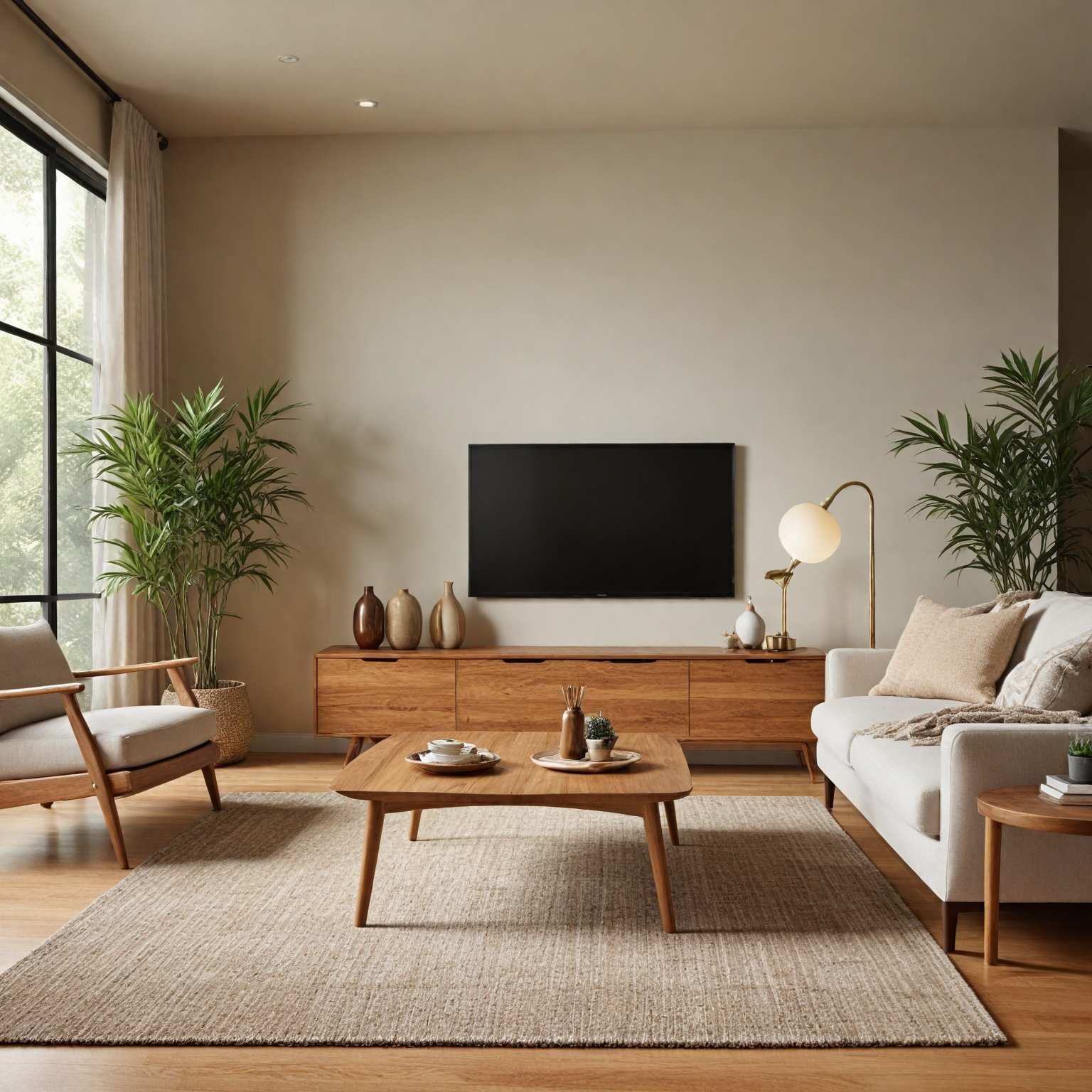
Home design in 2025 emphasizes timeless aesthetics, sustainability, and advanced technology, reflecting cultural and environmental priorities. Homeowners favor durable materials, handcrafted furnishings, and personalized interiors over fleeting trends, aligning with conscious consumerism. Eco-friendly finishes like unlacquered brass and antique bronze replace stark black fixtures, while natural materials such as bamboo, cork, and stone gain popularity. Nearly half of interior projects will incorporate sustainability requirements. Smart home systems enhance energy efficiency and convenience through AI automation, 5G, and universal standards like Matter, despite initial integration challenges. Design balances maximalist personal expression with cozy textures and soothing palettes, creating functional, enduring, and personal spaces.
Key Design Elements and Materials
Maximalism returns with vibrant colors, layered textures, and eclectic patterns, encouraging personal storytelling through meaningful objects. Sustainability drives the use of eco-friendly materials like bamboo, cork, stone, cork insulation, regenerative straw panels, and mycelium-based products, merging warm aesthetics with environmental responsibility. Warm metallics such as gold, bronze, and copper complement earthy tones and deep wine accents, fostering cozy, layered interiors. Furniture prioritizes comfort with oversized, rounded forms and multifunctional designs integrating subtle technology. Timelessness prevails over micro-trends, favoring quality craftsmanship and heirloom pieces that blend classic and contemporary styles.
Sustainable Materials and Energy Efficiency
Green building focuses on low-impact, circular, and bio-based materials to reduce carbon footprints. Common materials include bamboo, reclaimed wood, recycled steel, cork, straw bales, hempcrete, sheep’s wool, and plant-based foams, all chosen for renewability and performance. Energy-efficient smart systems like Sense Energy Monitor and Nest Hub optimize consumption, saving 5–15% on electricity. AI-enhanced home energy storage will improve renewable energy use and grid independence, with emerging energy trading platforms promoting cooperative sustainability. These materials and technologies combine style with environmental preservation.
Smart Home Technologies
Smart homes in 2025 feature AI-driven automation, 5G connectivity, and standards like Matter for seamless device integration. Voice-controlled hubs (Amazon Alexa, Google Assistant, Apple Siri) manage lighting, climate, security, and entertainment. Advanced security devices provide real-time monitoring, while smart thermostats and motion-sensing lights optimize energy use. Integration with renewable energy sources enables real-time management, reducing grid reliance. Smart appliances coordinate with energy storage to minimize peak demand, and energy trading platforms facilitate surplus exchange. Professional installation ensures secure, reliable, and personalized systems.
Popular Styles and Regional Variations
Design in 2025 shifts from transient micro-trends to styles valuing timelessness and individuality, blending vintage and modern elements like mid-century and Art Deco. Maximalism favors bold colors, mixed patterns, and layered textures, contrasting minimalism. Thoughtful curation avoids overwhelm, especially in small spaces. Regional preferences influence style and costs, with some areas favoring minimalist-derived Japandi for serenity. Sustainability shapes choices globally, with eco-friendly materials and bespoke craftsmanship often increasing costs. Labor and material prices vary regionally, as do adoption rates of smart energy technologies.
Cost Considerations
Costs vary widely based on project scope, materials, and customization. Interior designers charge $1,500–$4,900 per room or about $9 per square foot, with markup fees around 20% on furnishings and 10–30% of project budgets. Smart home installations average $895 but can reach $15,000 for full automation, with luxury systems up to $150,000. Structural work like wall framing ranges from $3.56 to $6.17 per square foot, influenced by complexity and location. Sustainable materials and energy-efficient technologies may increase upfront costs but offer long-term savings.
Impact on Real Estate
Homes featuring energy efficiency, sustainability, and wellness-oriented designs are increasingly desirable, enhancing property values. Smart technology and timeless design elements boost market appeal and competitiveness. Data from real estate organizations helps professionals assess regional trends and pricing. The combination of eco-friendly materials, craftsmanship, and advanced technology supports sustained attractiveness and valuation.
Future Outlook Beyond 2025
Post-2025, home design will continue prioritizing sustainability, timelessness, and smart technology integration. The trend toward personalized, handcrafted interiors will deepen, supporting conscious consumerism. Energy sustainability solutions, especially home energy storage, will advance in efficiency and capacity, integrating with smart systems for greener living. AI automation, universal connectivity, and 5G will further enhance convenience and security. Future homes will harmonize style, environmental stewardship, and technology, reflecting broader societal shifts toward mindful living.
The content is provided by Harper Eastwood, Scopewires


