
Highlights
- Medicare Part B provides coverage for medically necessary mobility scooters, assisting in reducing the financial burden for individuals with mobility limitations, covering 80% of the cost after meeting the annual deductible.
- Applicants must be enrolled in Original Medicare, undergo a face-to-face evaluation, and obtain a detailed written prescription from a healthcare provider to qualify for Medicare coverage of a mobility scooter primarily intended for indoor use.
- Ongoing maintenance and repairs of mobility scooters may require separate arrangements, prompting beneficiaries to explore Medicare Advantage plans, veterans' programs, or supplemental insurance plans for additional support.
Overview and Eligibility
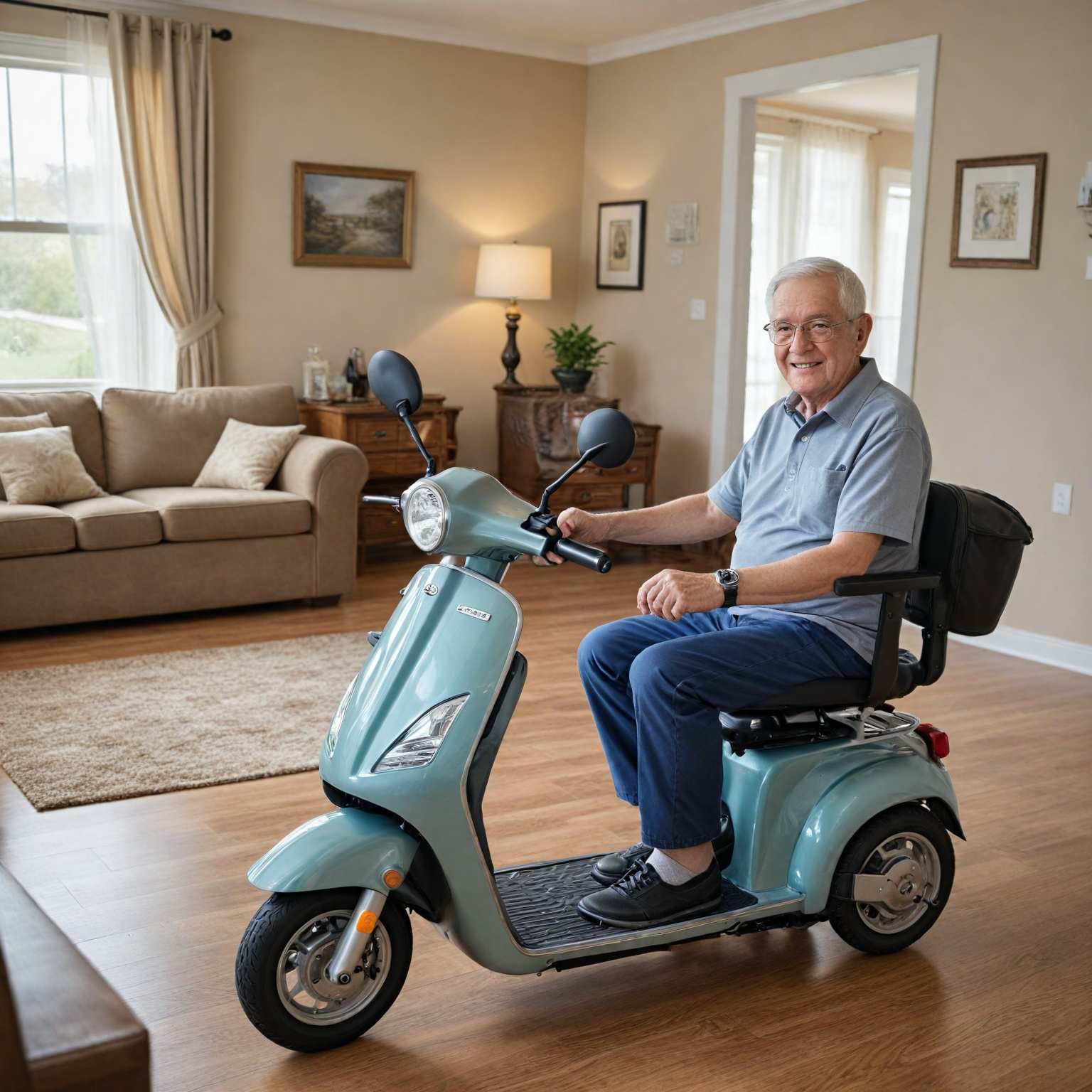
A mobility scooter is durable medical equipment (DME) covered under Medicare Part B for individuals with limited mobility primarily inside their homes. To qualify, beneficiaries must be enrolled in Original Medicare (Parts A and B) and have a face-to-face evaluation by a Medicare-enrolled provider confirming medical necessity after considering simpler aids like canes or manual wheelchairs. The scooter must be obtained from a Medicare-approved supplier who accepts assignment, limiting out-of-pocket costs. Medicare covers 80% of the approved cost after the deductible, with 20% coinsurance paid by the beneficiary.
Covered Scooter Types and Medicare Coverage
Medicare primarily covers Class 2 and Class 3 mobility scooters suitable for indoor and light outdoor use, designed for users with sufficient trunk and arm strength. Features often include swivel seats, safety signals, and weight capacities up to 300 pounds. Coverage applies when the scooter is medically necessary and the user can operate or transfer onto it safely. Some Medicare Advantage plans offer additional coverage, but requirements vary.
Application and Documentation Process
The application begins with a healthcare professional’s evaluation and written prescription documenting the medical need and consideration of other mobility aids. The Medicare-approved supplier submits this documentation for prior authorization, a process required for some power scooters and wheelchairs. Approval rates are high, but denials can be appealed. The supplier must accept assignment to limit patient costs. Coordination between the patient, healthcare provider, and supplier is essential for smooth processing.
Medicare Coverage Details and Alternatives
Medicare Part B covers 80% of the Medicare-approved cost of one mobility device per beneficiary after the deductible. Devices must be purchased from Medicare-approved suppliers who accept assignment. Medicare Advantage plans may offer enhanced or different coverage but vary widely. Supplemental insurance and assistance programs, including those for veterans, may provide additional support. Beneficiaries should compare options and consult professionals to determine the best coverage.
Maintenance, Repairs, and Support
Medicare primarily covers the initial purchase of mobility scooters, but coverage for maintenance and repairs varies. Some Medicare-approved suppliers offer repair services with costs limited to deductible and coinsurance. Prior authorization may be needed for certain repairs. Veterans may access additional assistance through the Department of Veterans Affairs. Users should consult suppliers and providers about repair options and costs.
Role of Rehabilitation Professionals
Licensed Assistive Technology Professionals (ATPs) assess users’ needs to ensure proper device selection and fit, especially for rehabilitation power wheelchairs customized for individual support. Their evaluations support insurance documentation and prior authorization. ATPs also consider the user’s physical ability and home environment to recommend suitable devices and ensure safe operation.
Frequently Asked Questions (FAQ)
Q: How does the Medicare mobility scooter process start?
A: It begins with a doctor’s evaluation to determine medical necessity and issuance of a detailed prescription known as a seven-element order, which verifies the scooter is needed for home use due to limited mobility.
The content is provided by Avery Redwood, Scopewires


