
Highlights
- Embrace sustainable gardening practices to enhance biodiversity and support local wildlife.
- Explore innovative planting trends like native plants and efficient water conservation methods.
Summary
How to Refresh Your Garden Cleanup and Planting Trends This Year offers guidance for revitalizing gardens with sustainable practices. It emphasizes balanced cleanup—removing diseased plants, light pruning during dormancy, and composting—to support healthy growth and local wildlife. Trends highlight native plants, low-maintenance shrubs, and multifunctional “edimentals” that combine ornamental and edible traits. Water-saving methods like drip irrigation, smart controllers, and rainwater harvesting complement these trends. Garden designs range from minimalist and eco-friendly to sensory and goth-inspired styles. The article stresses balancing tidiness with habitat preservation to align gardening with natural ecosystems.
Garden Cleanup and Soil Health
Spring garden cleanup promotes plant health and supports ecosystems by removing dead or diseased plants while preserving habitats for pollinators. Diseased material should be disposed of properly to prevent spread. Light pruning after dormancy encourages growth without harming flowering. Composting shredded plant debris enriches soil and fosters microbial life. Removing old mulch and spent plants improves air circulation and prevents fungal diseases, while adding fresh mulch retains moisture and suppresses weeds. Sustainable cleanup avoids harsh chemicals and retains some organic matter to support biodiversity and soil protection.
Composting and Soil Enrichment
Composting enhances soil structure, fertility, and biological activity, reducing reliance on synthetic fertilizers. Gardeners can mimic forest ecosystems by leaving organic debris on soil surfaces to maintain biodiversity. Various composting methods, including vermicomposting, help recycle organic waste into valuable amendments. Applying compost at the start of the growing season and periodically thereafter supports ongoing plant health. Sustainable soil management emphasizes fostering beneficial organisms that protect plants, prevent erosion, and retain moisture, contributing to resilient gardens.
Water Conservation and Irrigation Trends
Water-efficient gardening is advancing with drip irrigation, including solar-powered and subsurface systems, delivering water directly to roots and reducing waste. Smart controllers and moisture sensors enable tailored watering schedules based on real-time data. Rainwater harvesting and graywater reuse reduce dependence on municipal sources. Compost improves soil water retention, further conserving water. These innovations support sustainable plant care amid climate and resource challenges.
Planting Trends and Practical Guidelines
Spring 2024 gardening favors sustainability, biodiversity, and low maintenance. Native plants are popular for supporting wildlife and reducing inputs. Indoor gardening with easy-care houseplants persists, while tropical and container gardening offer vibrant options for limited spaces. Garden designs favor naturalistic styles with native plant drifts and bold floral displays. Roses, especially grandifloras, remain favored.
Practical advice includes choosing hardy, native, and “edimental” plants that serve ornamental and edible roles, adopting rainwater harvesting, and using technology for efficient garden management. Minimalist designs with sustainable materials reduce maintenance and resource use. Mindful cleanup preserves insect habitats, balancing tidiness with ecological health.
Garden Design Themes
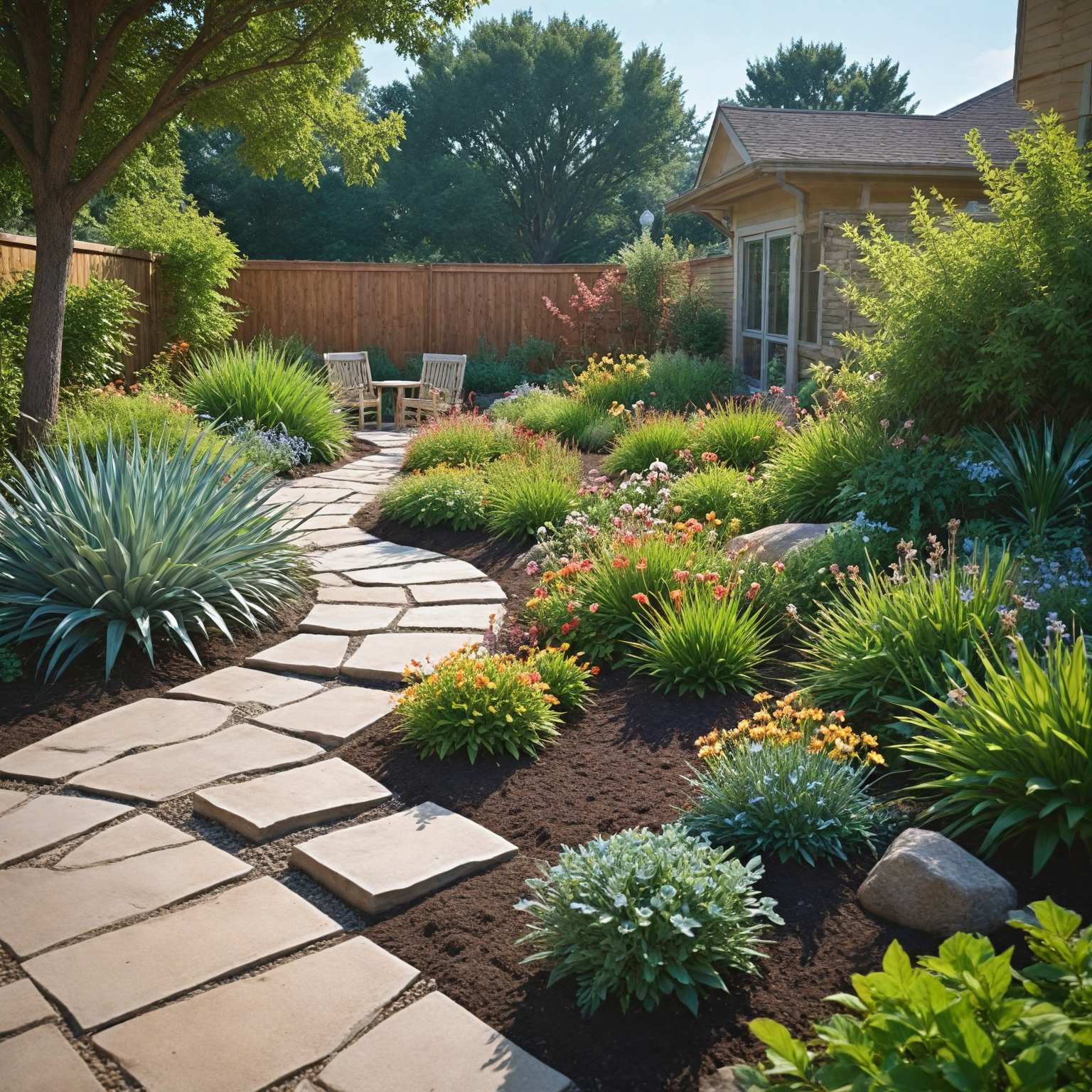
2024 design trends blend sustainability and creativity, featuring eco-friendly gardens with native plants and rain gardens to boost biodiversity. Minimalist gardens emphasize clean lines and resource efficiency, while goth gardens offer moody, Victorian-inspired aesthetics. Sensory gardens promote relaxation through multi-sensory engagement. Pressed and dried flowers add artistic, personalized touches to garden spaces.
Planning and Maintenance
Winter is ideal for planning garden refreshes, incorporating current trends and eco-friendly practices like leaving autumn leaves to shelter pollinators. Waterwise gardening with drought-tolerant plants and designs such as gravel gardens enhances resilience. Post-refresh maintenance includes timely pruning, balanced cleanup, mulching, efficient watering (preferably early morning), and integrated pest management. Smart irrigation and rainwater harvesting aid sustainability. Maintaining tools and reducing lawn areas further support healthy, wildlife-friendly gardens.
Resources and References
Understanding organic waste composting is key for sustainable gardening. Numerous resources, including policy reports and advocacy guides from organizations like the U.S. Composting Council, provide practical information on composting benefits and implementation. These materials support gardeners in adopting composting practices aligned with circular economy principles.
The content is provided by Sierra Knightley, Scopewires


