Highlights
- Effective transport of medical supplies requires careful planning and adherence to stringent regulations.
- Investing in specialized equipment enhances safety and integrity during the transport of healthcare materials.
Summary
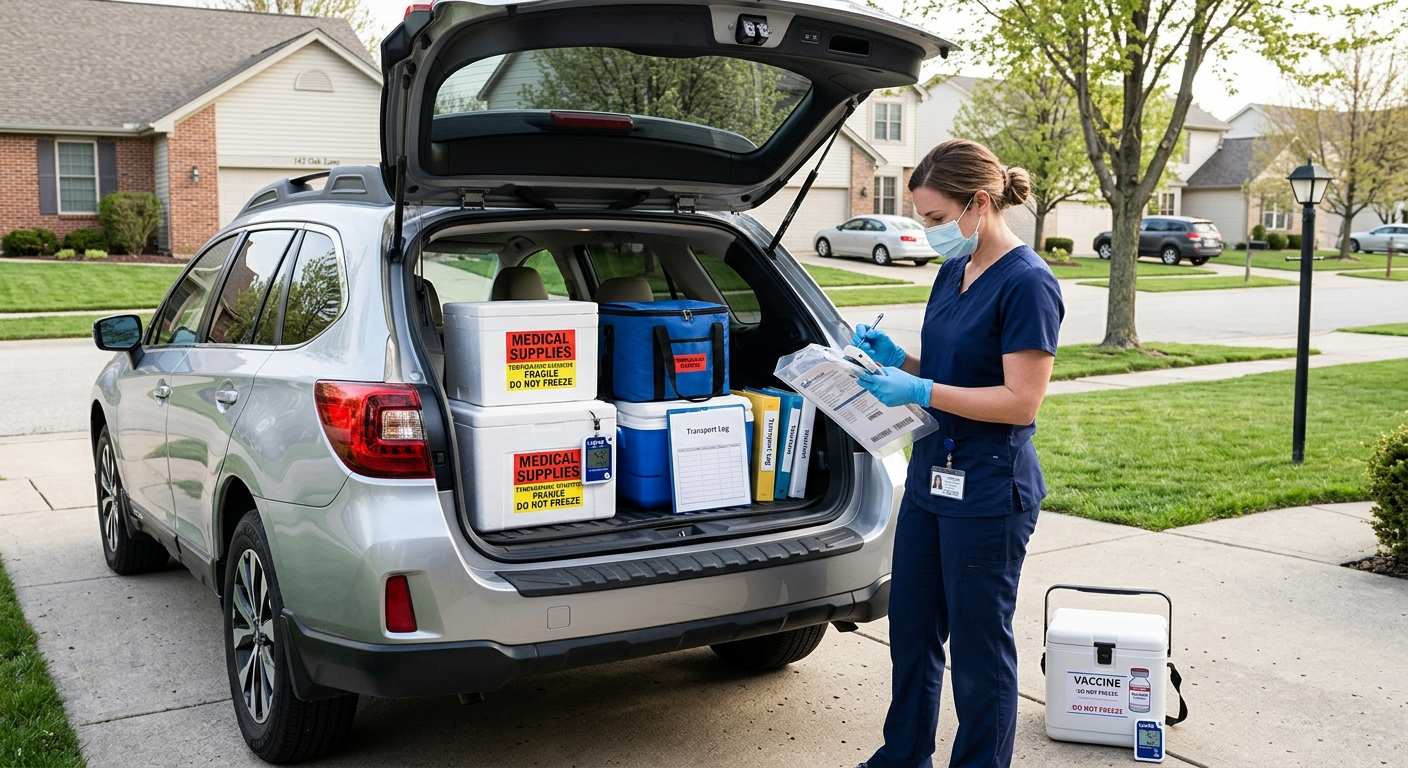
Transporting medical supplies using personal vehicles enables healthcare delivery in situations where specialized courier services may not be feasible. This practice requires meticulous adherence to temperature controls, secure packaging, and proper vehicle preparation to ensure the integrity and efficacy of supplies. Common supplies transported include medications, vaccines, and medical equipment, all of which may face risks related to temperature fluctuations, contamination, and liability concerns. Operators must also comply with legal regulations such as HIPAA and OSHA to maintain safety, privacy, and accountability during transport.
Legal and Regulatory Compliance
Compliance with federal, state, and local regulations is essential when transporting medical supplies. A valid driver’s license, clean driving record, and specialized commercial auto insurance are necessary to ensure accountability. Healthcare providers must adhere to guidelines established by governing bodies such as HIPAA, OSHA, and the Department of Transportation (DOT), particularly regarding the safe packaging and labeling of hazardous materials. Failure to meet these regulations can result in legal penalties and compromised patient safety, underscoring the importance of standardized protocols throughout the transport process.
Vehicle Preparation and Temperature Management
Proper vehicle preparation is crucial for the safe transport of medical supplies. Vehicles must be reliable with adequate space and equipped with features like lift gates and adjustable tie-down systems to prevent damage. Temperature control is particularly significant for sensitive items; thus, vehicles should ideally be refrigerated. If refrigeration is unavailable, using insulated containers and validated cooling methods—such as gel packs—helps ensure product integrity. Continuous temperature monitoring through data loggers allows for immediate corrective actions in case of excursions, thereby maintaining compliance and quality standards.
Loading, Securing, and Cleaning Protocols
Loading and securing medical supplies demand strict adherence to best practices. Proper inspections for damage before loading, and the application of anti-static wraps and moisture-resistant barriers help mitigate risks during transit. Cleaning protocols are essential to prevent contamination between shipments; sanitizing vehicle interiors and storage areas supports the safety of transported materials. Training personnel in safe handling procedures and contamination prevention further strengthens operational effectiveness, ensuring quality throughout the delivery process.
Challenges and Common Issues
Transporting medical supplies using personal vehicles presents several logistical challenges, including managing various types of supplies with distinct handling requirements. Temperature-sensitive items, such as vaccines, necessitate stringent control measures, where failures can lead to irreversible damage. Continuous real-time monitoring and compliance with legal requirements are vital to navigate these complexities. Furthermore, accurate documentation and special protocols for high-value or controlled items are critical to maintaining safety and legal compliance, thereby ensuring successful outcomes in medical supply transport.
The content is provided by Harper Eastwood, Scopewires