Highlights
- Adhering to strict regulations ensures the safe transportation of sensitive medical supplies.
- Partnering with qualified carriers enhances compliance and reduces risks in medical supply transport.
Overview
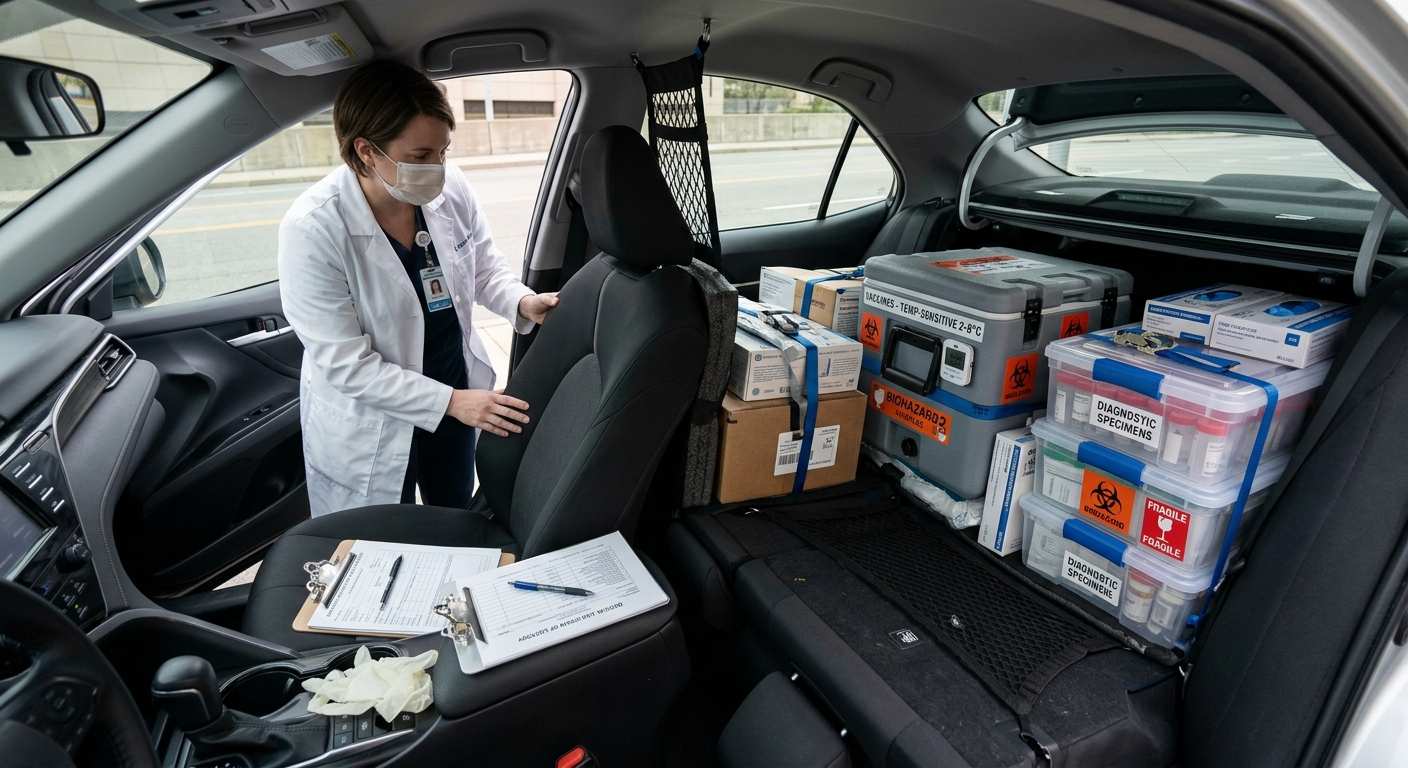
Transporting medical supplies with a personal vehicle is a complex process that necessitates adherence to rigorous legal, regulatory, and safety standards. Given the sensitive nature of medical products—which can include temperature-sensitive, fragile, or hazardous materials—compliance with directives from regulatory bodies such as the FDA, DOT, and CDC is crucial for preventing contamination, damage, and legal liabilities. Effective transportation relies on proper vehicle preparation and comprehensive training of personnel involved, aimed at mitigating risks associated with using personal vehicles for medical supplies delivery.
Legal and Regulatory Compliance
Adhering to legal and regulatory frameworks is essential for the safe transportation of medical supplies and equipment. Regulatory agencies enforce guidelines that mandate specialized packaging, labeling, and handling procedures for hazardous materials like lithium batteries and radioactive components. Compliance with these regulations helps maintain the safety and efficacy of medical devices throughout the delivery process. Moreover, personnel involved must receive training on contamination prevention and proper handling to comply with health and safety protocols.
Vehicle Preparation and Monitoring
Proper vehicle preparation is vital for reducing risks during transport. Vehicles should be equipped with features such as lift gates and padded interiors, alongside modifications tailored to the load. Maintaining environmental controls ensures that temperature and humidity levels remain appropriate, particularly for sensitive items. Cleanliness is pivotal to prevent cross-contamination; regular sanitation of vehicle interiors and compliance with specific loading procedures are necessary to uphold the integrity of medical supplies during transit.
Best Practices for Packaging and Transport
Effective packaging and organization of medical supplies are crucial for preserving their safety and efficacy during transport. Utilizing ample protective materials, especially for fragile and temperature-sensitive items, enhances their resilience against environmental factors. Systematic organization and proper labeling facilitate efficient tracking and management of medical supplies. Moreover, employing advanced tracking technologies ensures that the supply chain remains transparent and secure, reducing potential risks associated with theft or mismanagement during transit.
Challenges and Risk Mitigation
Transporting medical supplies introduces various challenges, including potential damage during transit and compliance with stringent regulatory standards. To navigate these complexities, comprehensive planning should begin well in advance of scheduled pickups. This includes ensuring vehicles are compatible with transport requirements and that personnel are trained in safe handling and emergency procedures. Additionally, ongoing assessment of environmental conditions and robust documentation practices are essential for maintaining accountability and ensuring that supplies are delivered safely and effectively.
The content is provided by Jordan Fields, Scopewires