
Highlights
- Spinal decompression treatment offers pain relief by reducing pressure on spinal structures.
- Combining nonsurgical and surgical options with holistic care optimizes outcomes and minimizes risks.
Spinal Decompression Treatment Overview
Spinal decompression treatment aims to relieve back and neck pain by reducing pressure on spinal nerves and discs, commonly addressing herniated discs, spinal stenosis, and degenerative disc disease. It promotes healing by restoring spinal alignment and encouraging disc rehydration to alleviate nerve compression and improve function.
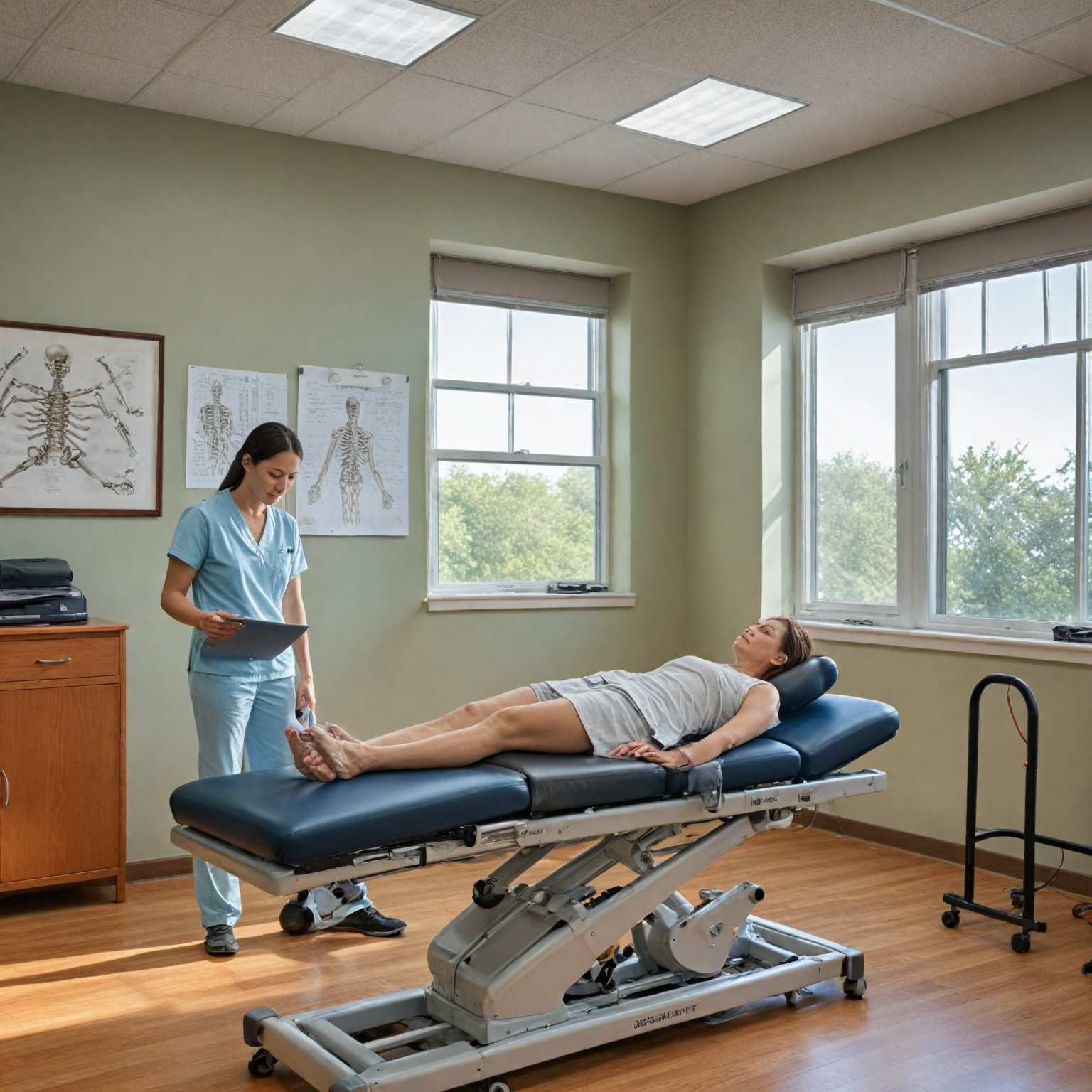
There are two types: nonsurgical and surgical. Nonsurgical decompression uses motorized traction tables to gently stretch the spine, creating negative pressure within discs to aid repair, typically combined with physical therapy. Surgical decompression involves invasive procedures like laminectomy or discectomy to remove nerve-compressing structures, reserved for severe cases.
Though widely marketed, nonsurgical decompression’s effectiveness is debated, with inconsistent study results and reported complications underscoring the need for careful patient selection. Surgical decompression often offers short-term relief but carries risks and does not guarantee lasting improvement. Treatment decisions should be individualized within a comprehensive spinal care plan.
Patient Selection and Medical Indications
Indications include herniated/bulging discs, degenerative disc disease, spinal stenosis, and sciatica causing persistent pain, numbness, or weakness. Proper evaluation involves medical history, physical exam, and imaging (MRI/CT) to confirm diagnosis. Candidates typically have symptoms unresponsive to conservative care.
Approximately 90% of patients using certain decompression systems report pain relief, supported by some institutional studies. However, not all back pain requires decompression; acute pain often resolves without intervention. Surgical options may provide better long-term outcomes for some conditions, emphasizing the importance of shared decision-making.
Treatment Procedure and Protocol
Nonsurgical decompression involves fitting patients with harnesses while lying on a computer-controlled table that gently stretches the spine to reduce disc pressure. Sessions last 20–45 minutes, typically 3–5 times weekly over several weeks, with early phases focusing on pain reduction and later phases on spinal stabilization. Treatment is often combined with physical therapy and other modalities like dry needling or osteopathic techniques.
Surgical decompression removes bone or disc material to relieve nerve pressure and may include fusion. Surgery is reserved for cases unresponsive to conservative management.
Biomechanics and Physiological Effects
Spinal decompression creates negative pressure within intervertebral discs, promoting fluid reabsorption and nutrient flow that aid healing. The therapy selectively decompresses spinal nerve roots by targeting specific segments, relieving nerve compression. Rehabilitation of spinal stabilizing muscles through physical therapy is essential to maintain alignment and prevent recurrence.
Effectiveness and Clinical Evidence
Evidence for nonsurgical spinal decompression is limited and mixed. Some studies show improvements in pain and function compared to intermittent traction, but systematic reviews find no clear superiority over other conservative treatments. Methodological issues in trials reduce confidence in findings. Surgical decompression may provide greater initial relief for spinal stenosis, though benefits may diminish over time and surgery does not always resolve all symptoms.
Safety and Risks
Both nonsurgical and surgical decompression carry risks. Traction forces may cause fractures, and contraindications include aortic aneurysm and active infection. Adverse effects reported include severe pain and neurological impairments, highlighting the need for treatment by trained professionals and careful patient selection.
Study limitations and variable long-term outcomes warrant cautious interpretation of benefits. Severe conditions such as cervical myelopathy or cauda equina syndrome require specialized management beyond decompression therapy.
Rehabilitation Integration and Monitoring
Decompression is integrated into rehabilitation programs emphasizing spinal muscle strengthening alongside traction therapy. Complementary treatments like physical therapy and chiropractic care support spinal health and prevent future injury. Treatment plans are individualized with diagnostic imaging guiding therapy.
Functional improvements typically occur over multiple sessions, with consistent treatment essential. Monitoring progress combines patient-reported outcomes and emerging objective measures like wearable activity trackers to better assess recovery.
Alternatives and Complementary Therapies
Before surgery, non-invasive options like acupuncture, chiropractic care, medication, and physical therapy are commonly recommended to manage pain and improve function. These approaches target both disc issues and supporting musculature, often combined with nonsurgical decompression to enhance outcomes. Adjunct therapies may include ice, electrical stimulation, and guided exercise.
Patient Experiences and Outcomes
Patient responses vary, with some reporting early relief and others gradual improvement over time. Specialist-guided, individualized treatment plans are crucial. Nonsurgical methods may effectively manage pain and improve quality of life for some, while surgery often yields greater improvements in severe cases but may not resolve all degenerative symptoms. Methodological issues in clinical trials complicate interpretation of patient-reported benefits, emphasizing the importance of cautious evaluation and follow-up care.
The content is provided by Blake Sterling, Scopewires