
Highlights
- Lab-grown diamonds, priced 80 to 85 percent less than natural diamonds, are rapidly gaining popularity due to their ethical and environmentally sustainable production methods, challenging the dominance of the traditional diamond industry.
- The global market for lab-grown diamonds is projected to reach USD 74.45 billion by 2032, reflecting rapid growth driven by rising disposable incomes, especially in Asia Pacific, and increased consumer acceptance worldwide, reshaping market dynamics significantly.
- Despite challenges such as consumer skepticism and limited awareness, technological innovation, sustainability efforts, and shifting consumer values are expected to sustain the growth of lab-grown diamonds and have a significant impact on the traditional diamond sector.
Summary and Background
Lab-grown diamonds, created under controlled conditions with the same properties as natural diamonds, have rapidly transformed the diamond industry. Developed initially for industrial use in the 1950s and entering the gem market in the 2010s, they are produced mainly via High Pressure High Temperature (HPHT) and Chemical Vapor Deposition (CVD) methods. Growing consumer demand for ethical, sustainable, and affordable alternatives has driven market growth, with the global market valued at USD 22.79 billion in 2023 and projected to reach USD 74.45 billion by 2032. Prices for lab-grown diamonds are 80-85% lower than natural stones, challenging traditional industry dominance. Major producers include China, Singapore, and the United States. Environmental and ethical advantages, such as lower carbon footprints and avoidance of mining-related social issues, enhance their appeal, though energy sources used in production vary in sustainability. Despite challenges like consumer skepticism and limited awareness, ongoing innovation and shifting values support continued growth.
Production Techniques
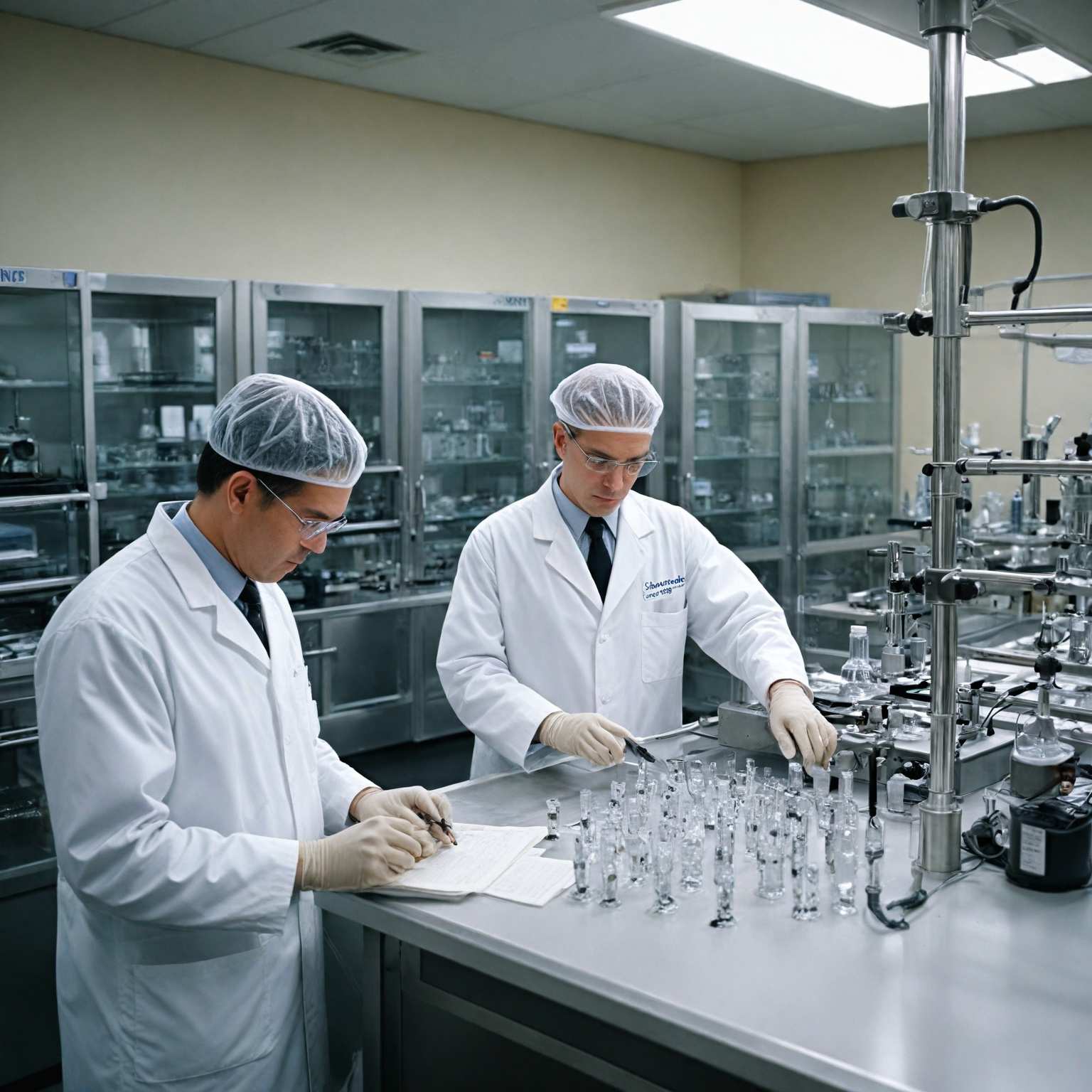
Lab-grown diamonds are produced primarily through HPHT and CVD methods. HPHT replicates natural diamond formation by applying high pressure and temperature to carbon, creating diamonds with exceptional clarity. CVD grows diamonds by depositing carbon atoms from gases onto seeds, producing pure Type IIA diamonds. While HPHT is common in industrial applications, CVD is favored for gem-quality stones. Advances in both methods have improved quality, sustainability, and cost-efficiency.
Market Trends and Pricing
The lab-grown diamond market has grown rapidly, driven by rising incomes and luxury demand, especially in Asia Pacific. China leads production, followed by Singapore, the USA, and India. Technological advances have enhanced production and quality, making lab-grown diamonds nearly indistinguishable from natural ones and certified by institutions like GIA. Prices have dropped dramatically, now about 80-85% lower than natural diamonds, due to economies of scale and technological improvements. The COVID-19 pandemic accelerated e-commerce sales, although in-store purchases remain significant. Challenges include quality concerns and consumer awareness, but education and standards improvements are mitigating these issues.
Environmental and Ethical Considerations
Lab-grown diamonds offer environmental benefits over mined stones by producing less physical waste and avoiding mining-related social issues. However, energy consumption impacts vary depending on the energy source; reliance on coal-fired power, especially in China, offsets some gains, while some producers use renewable energy and AI-driven efficiency improvements. Ethically, lab-grown diamonds avoid labor abuses common in mining and provide greater supply chain transparency. Consumer preference is shifting towards lab-grown diamonds due to their smaller environmental footprint and ethical production, though skepticism remains regarding their overall sustainability.
Industry Standards and Consumer Perception
Lab-grown diamonds are chemically and physically identical to natural diamonds, requiring advanced gemological techniques for differentiation. Certifications from labs like GIA assess quality factors for both types and have adapted grading nomenclature to reflect lab-grown diamond characteristics. Leading companies actively shape the market with new products and partnerships. Consumer acceptance is growing, particularly among younger, eco-conscious buyers, although some remain hesitant due to quality concerns. The retail landscape is evolving with increased online sales, driven partly by the pandemic. Market impacts include significant price declines and industry consolidation, which may improve sustainability credentials and supply chain transparency.
Future Outlook
The lab-grown diamond market is expected to undergo a consolidation phase due to competitive pressures. Continued technological advancements in HPHT and CVD methods aim to increase energy efficiency and produce larger, higher-quality stones, enhancing sustainability. Despite some consumer hesitation, the market is likely to expand further, influencing the traditional diamond sector significantly.
The content is provided by Sierra Knightley, Scopewires


